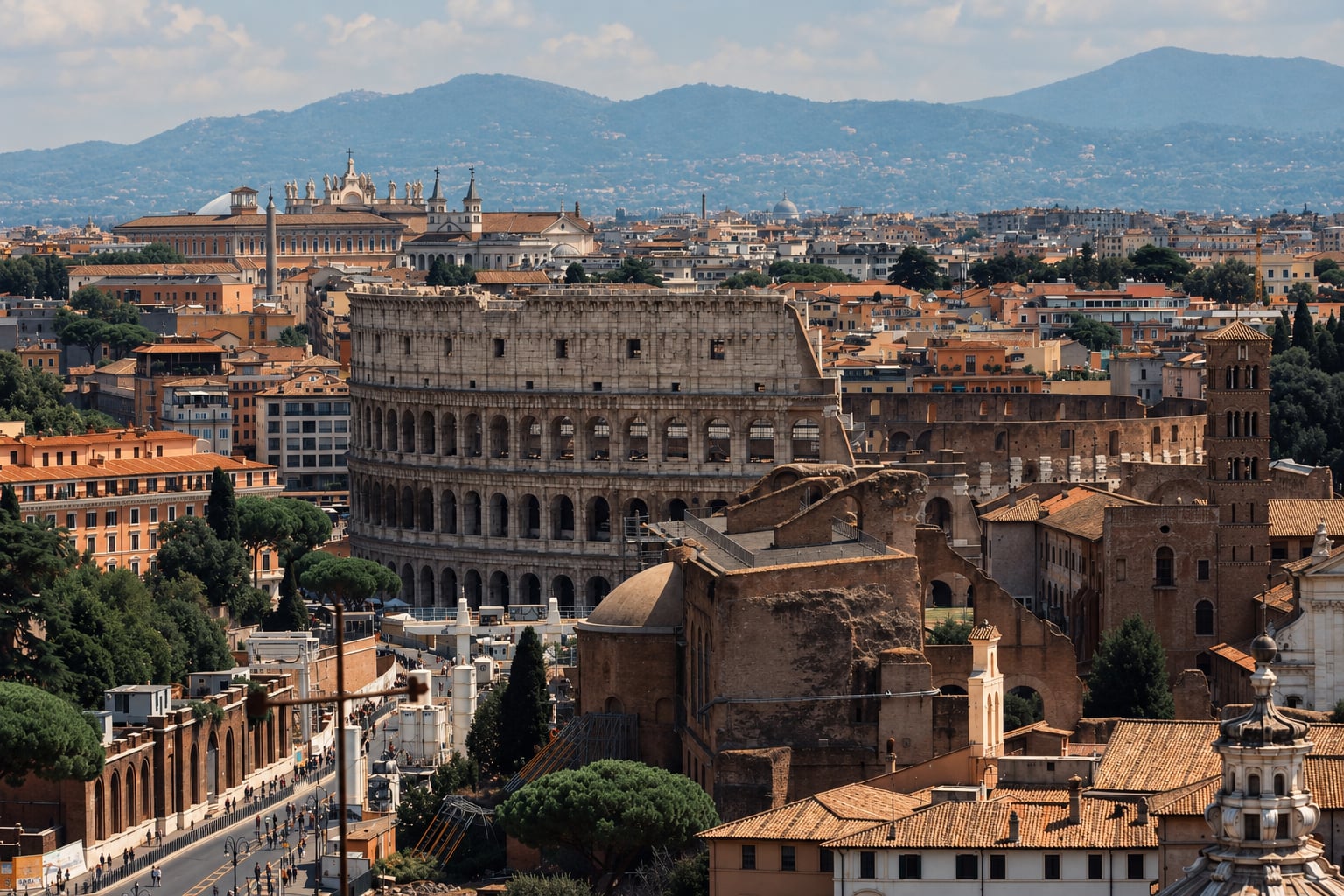
Every city in Lazio
From the capital to the smallest borghi.
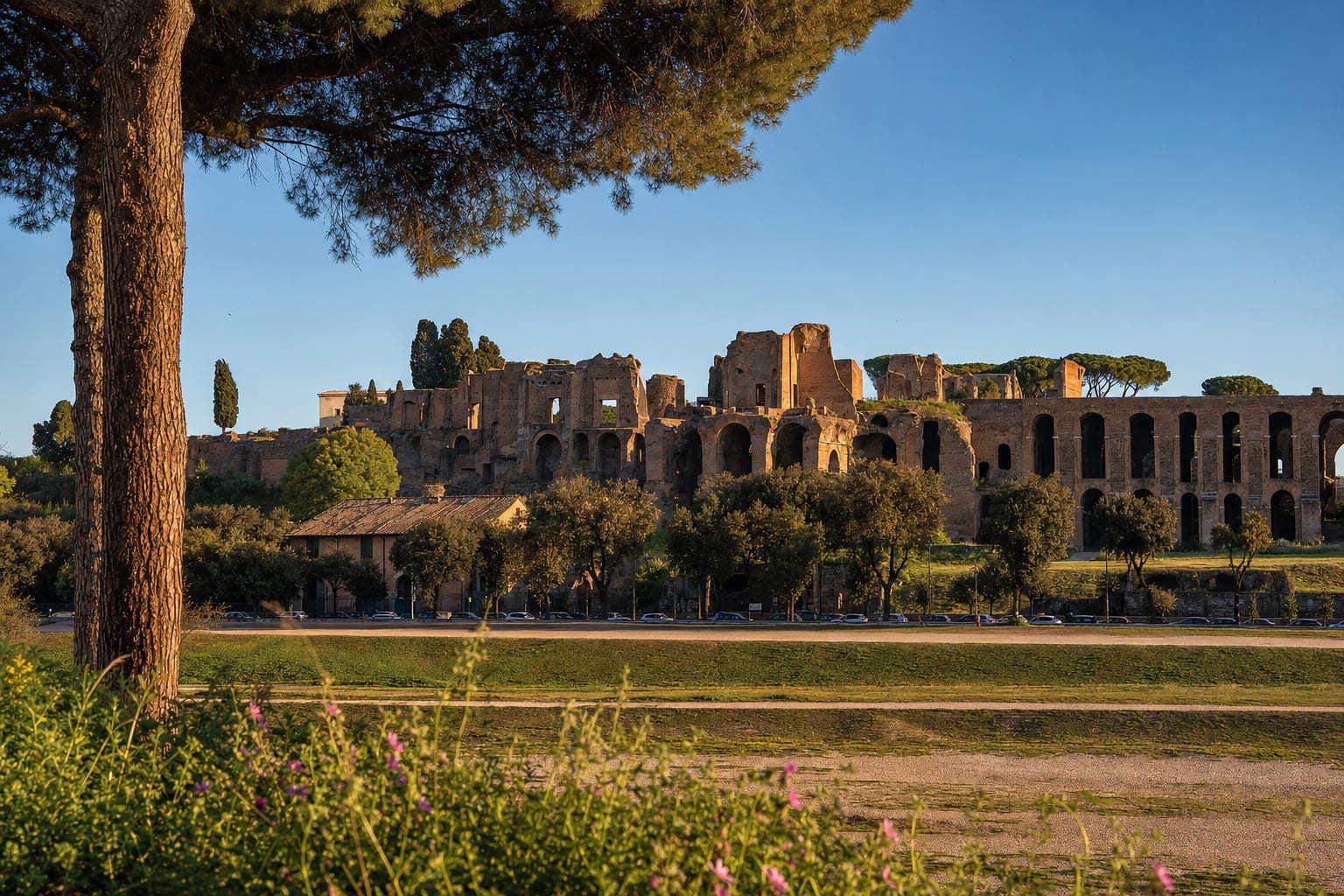
RomeThe capitalThe Eternal City layers nearly three millennia in a single skyline: the Colosseum and the Roman Forum, the Pantheon's unbroken dome, Bernini's Baroque fountains in Piazza Navona, and across the Tiber, the Vatican, where Michelangelo's dome rises over St. Peter's and his ceiling crowns the Sistine Chapel. Albano LazialeA principal town of the Castelli Romani above Lake Albano, Albano Laziale grew over a Roman military camp and still shows its ancient walls and gates. It makes a leafy hill base within easy reach of the capital.
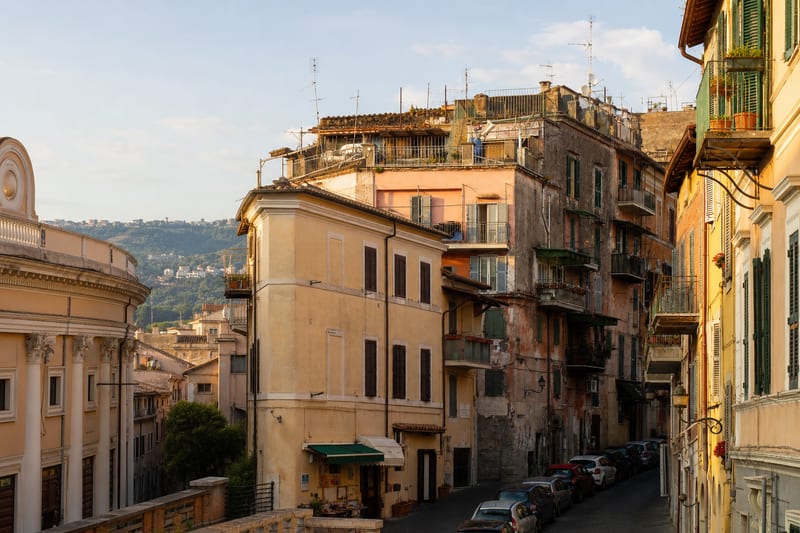
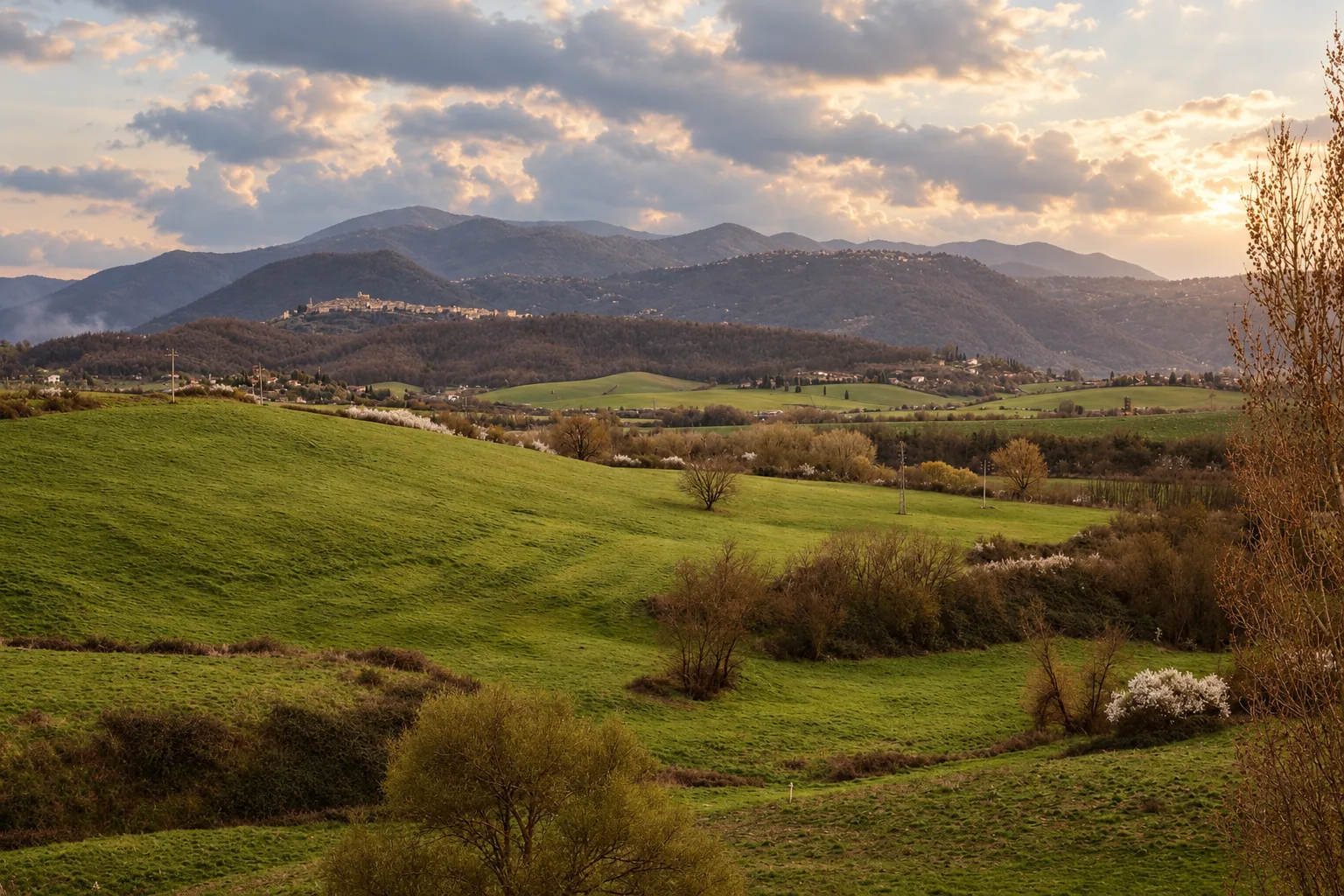
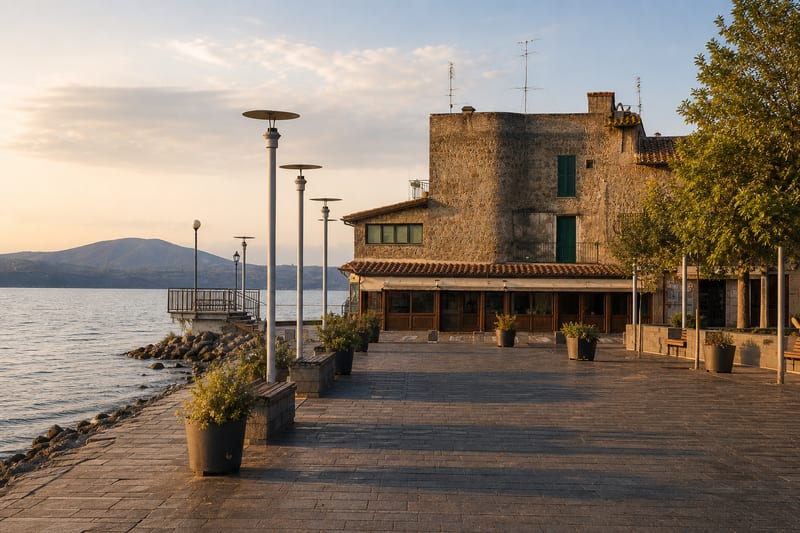
AnagniKnown as the City of Popes for the four pontiffs born within its walls, Anagni is a Ciociaria hill town remembered for the Slap of Anagni, the 1303 assault on Boniface VIII. Frescoes glow in the crypt of its Romanesque cathedral. Anguillara SabaziaA medieval village curving along a promontory on Lake Bracciano, Anguillara Sabazia gathers its pastel houses around a small harbor. Its old centre rises in tiers to a panoramic terrace above the volcanic lake.
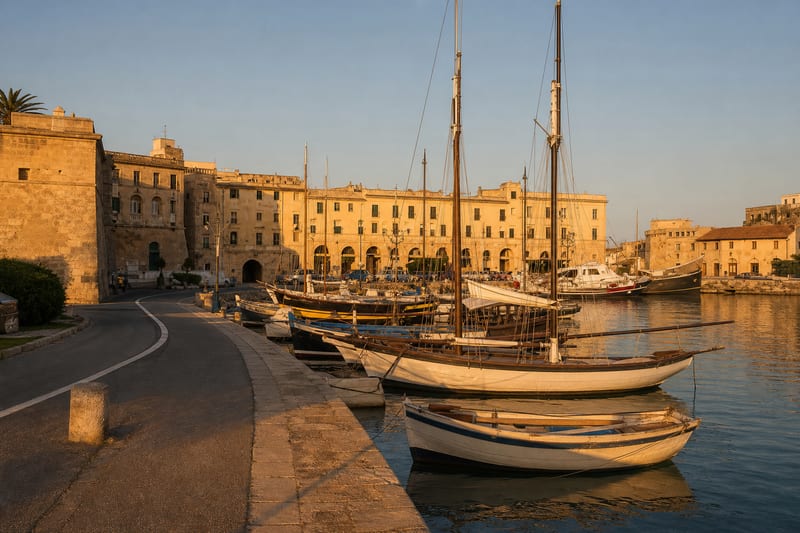
AnzioA seaside town south of Rome, Anzio is remembered worldwide for the Allied landings of 1944 and the war cemeteries that honor them. Birthplace of the emperors Nero and Caligula, it keeps the ruins of an imperial villa above its beaches.
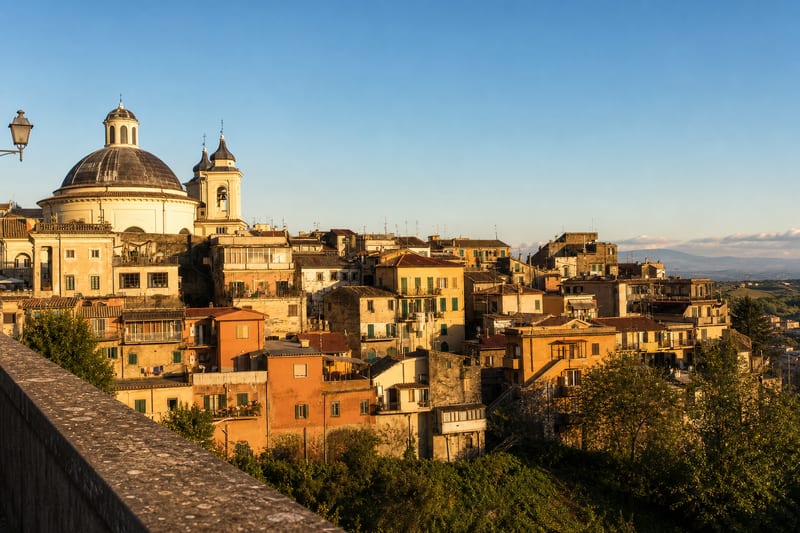
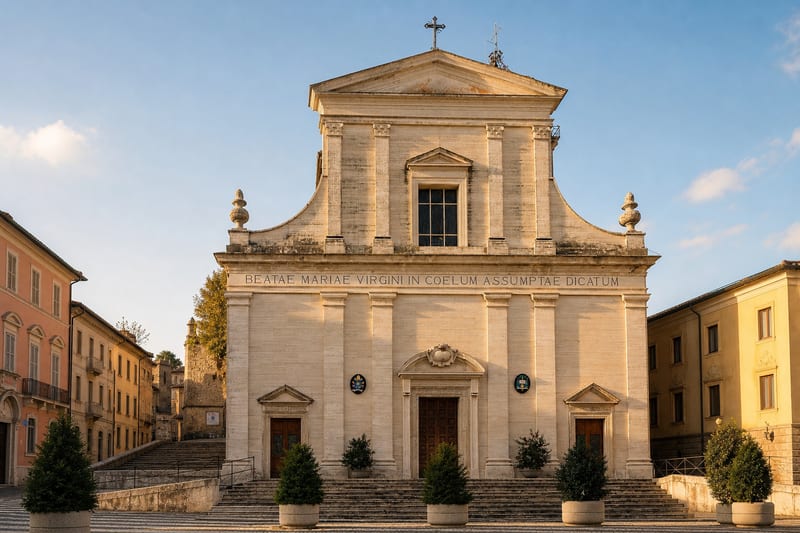
AricciaA Castelli Romani town reshaped by Bernini, whose round church of Santa Maria dell'Assunzione anchors the central piazza. Ariccia is the spiritual home of porchetta, the herb-stuffed roast pork served in its old fraschette taverns.
- Bagnoregio
BolsenaOn the shore of Italy's largest volcanic lake, Bolsena is a medieval town beneath a Monaldeschi castle. Its basilica preserves the relics of the 1263 Eucharistic Miracle that gave rise to the feast of Corpus Christi.
BomarzoBomarzo is famous for its Sacro Bosco, the sixteenth-century Park of the Monsters, where giant stone figures rise from the woods: a screaming Mouth of Hell, a leaning house, and other Mannerist enigmas commissioned by Prince Orsini.
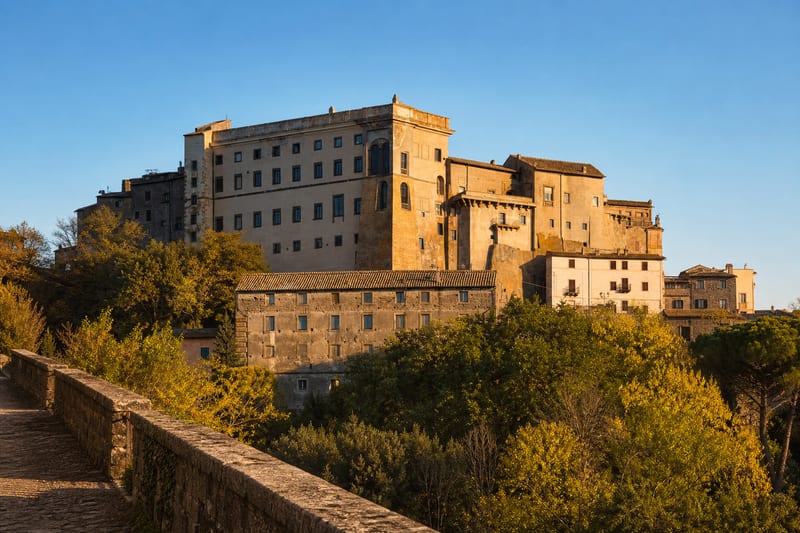
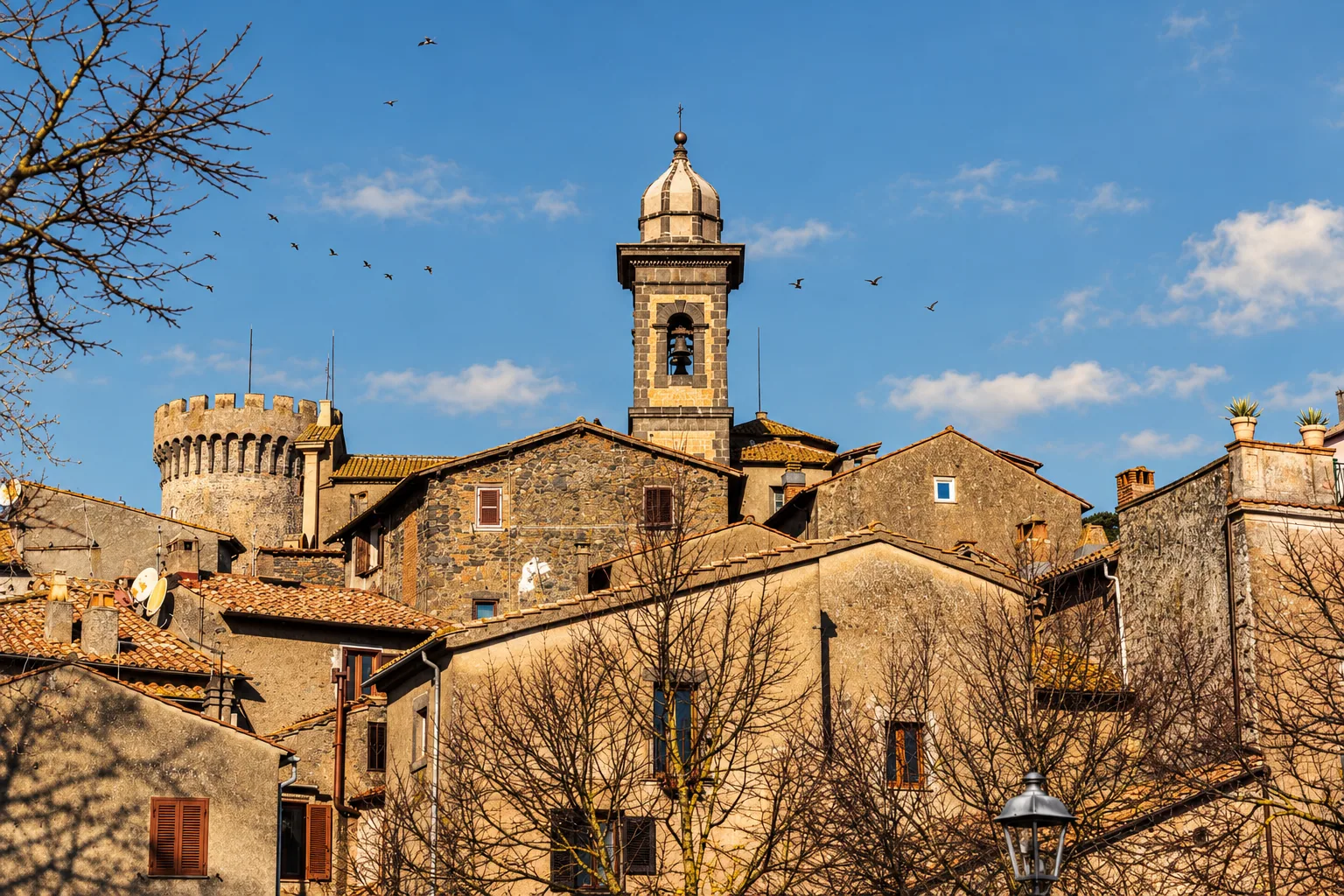
BraccianoBracciano rises above its namesake volcanic lake, crowned by the Castello Orsini-Odescalchi, one of Italy's best-preserved Renaissance fortresses. Its ramparts look out over deep blue water ringed by reed beds and lakeside villages.
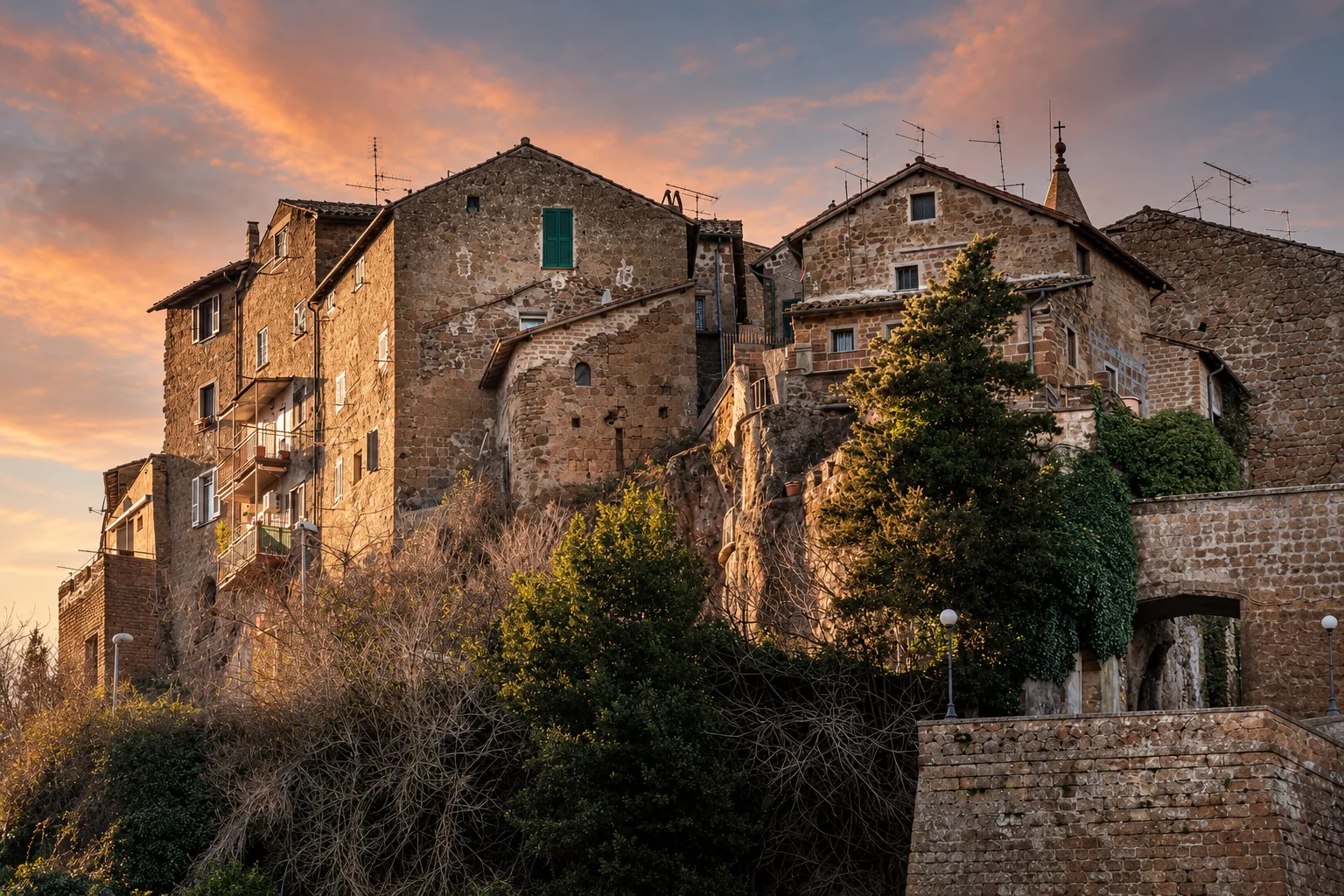
CalcataPerched on a tufa outcrop above the wooded Treja valley, Calcata is a tiny medieval village reborn as an artists' colony after near-abandonment. Its stone lanes are now lined with studios, workshops, and bohemian cafes.- Caprarola
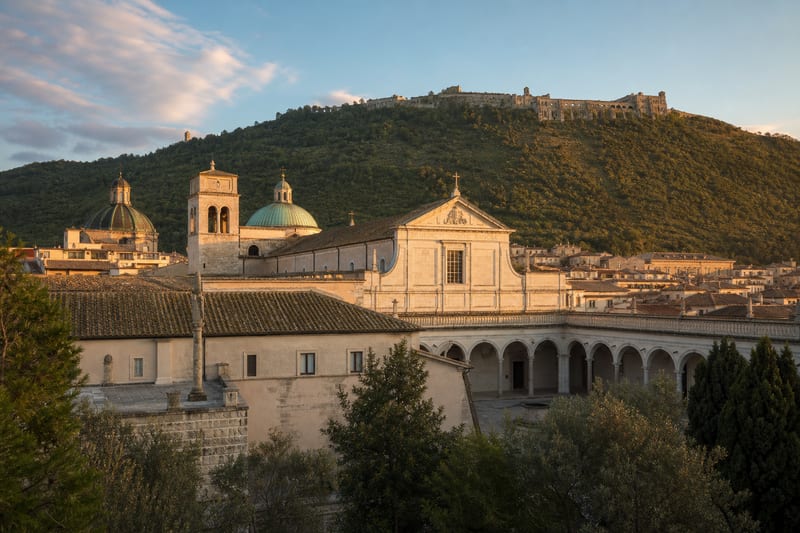
CassinoRebuilt after the devastating battles of 1944, Cassino lies below Monte Cassino, the hilltop abbey founded by Saint Benedict and faithfully restored after wartime destruction. War cemeteries on the slopes recall one of the war's bloodiest campaigns.
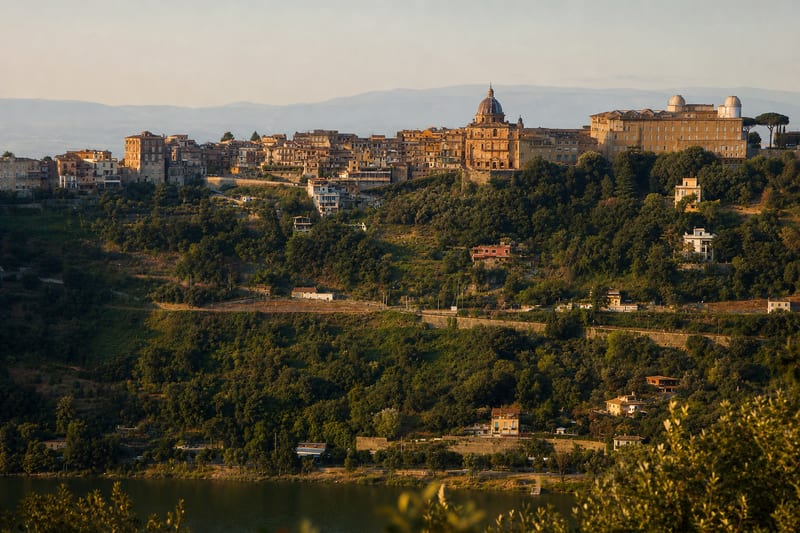
Castel GandolfoOverlooking the crater lake of Albano from the Alban Hills, Castel Gandolfo is best known as the popes' summer residence, its Apostolic Palace and gardens now open to visitors. The lakeside village is a classic Castelli Romani retreat.
CerveteriOnce one of the most powerful cities of Etruria, Cerveteri is home to the UNESCO-listed Banditaccia necropolis, a true city of the dead where mounded tombs line carved streets and chambers mimic Etruscan houses, the Tomb of the Reliefs among them.
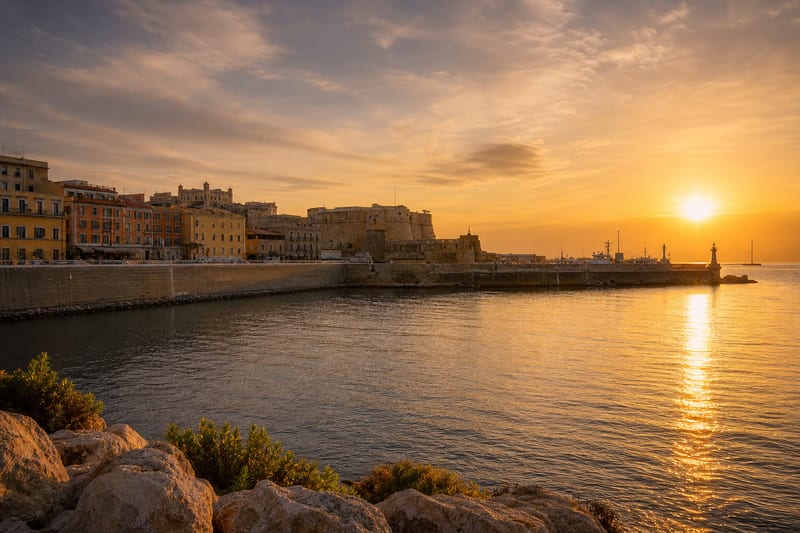
CivitavecchiaLazio's main port and the gateway to Rome for Mediterranean cruise lines, Civitavecchia guards a harbor first laid out under the emperor Trajan. Most travelers pass straight through, but the seafront fort and old town reward a pause.
- Fara in Sabina
FiuggiA spa town in the Ciociaria hills, Fiuggi built its fame on a mineral water long prized for dissolving kidney stones, drawing popes and Renaissance patrons. Its elegant thermal parks sit below a small medieval old town.
FiumicinoHome to Rome's main international airport, Fiumicino sits where the Tiber meets the sea. Beyond the runways lies a working fishing port renowned for its seafood trattorias and, nearby, the hexagonal harbor basin of imperial Portus.
FondiSet on the fertile plain between the Aurunci mountains and the sea, Fondi grew along the ancient Via Appia and still keeps its grid of Roman streets, a moated castle, and one of central Italy's great wholesale produce markets.
FormiaA seaside town on the Gulf of Gaeta, Formia was a favored Roman resort, and the orator Cicero kept a villa nearby. Today it is both a Riviera di Ulisse beach base and the ferry port for the Pontine Islands.
FrascatiThe most famous of the Castelli Romani, Frascati gives its name to the crisp white wine poured in cellars across the town. Grand cardinals' villas, above all the Villa Aldobrandini, look down from the Alban Hills toward Rome.
FrosinoneThe provincial capital of the Ciociaria, Frosinone splits between a modern lower town and an old quarter on the hill above the Sacco valley. It is a working centre at the heart of southern Lazio's interior.
GaetaA historic port on a rocky promontory, Gaeta is famous for the Montagna Spaccata, a mountain split by deep fissures legend ties to the Crucifixion, and for its sheltered beaches. The Angevin-Aragonese castle looms over the old fishing quarter.
GrottaferrataA town of the Castelli Romani founded around the Abbey of Santa Maria di Grottaferrata, a Greek Byzantine monastery still following the Eastern rite a thousand years after its founding by Saint Nilus. Vineyards and villas surround it.
Guidonia MontecelioA modern town on the plain northeast of Rome, Guidonia Montecelio pairs a 1930s aviation-era new town with the far older hill village of Montecelio, whose lanes climb to a quiet medieval rocca above the Roman campagna.
LadispoliA modern beach town on the coast northwest of Rome, Ladispoli is known for its dark volcanic-sand shores and a long-running spring artichoke festival. It makes an easy seaside day trip from the capital.
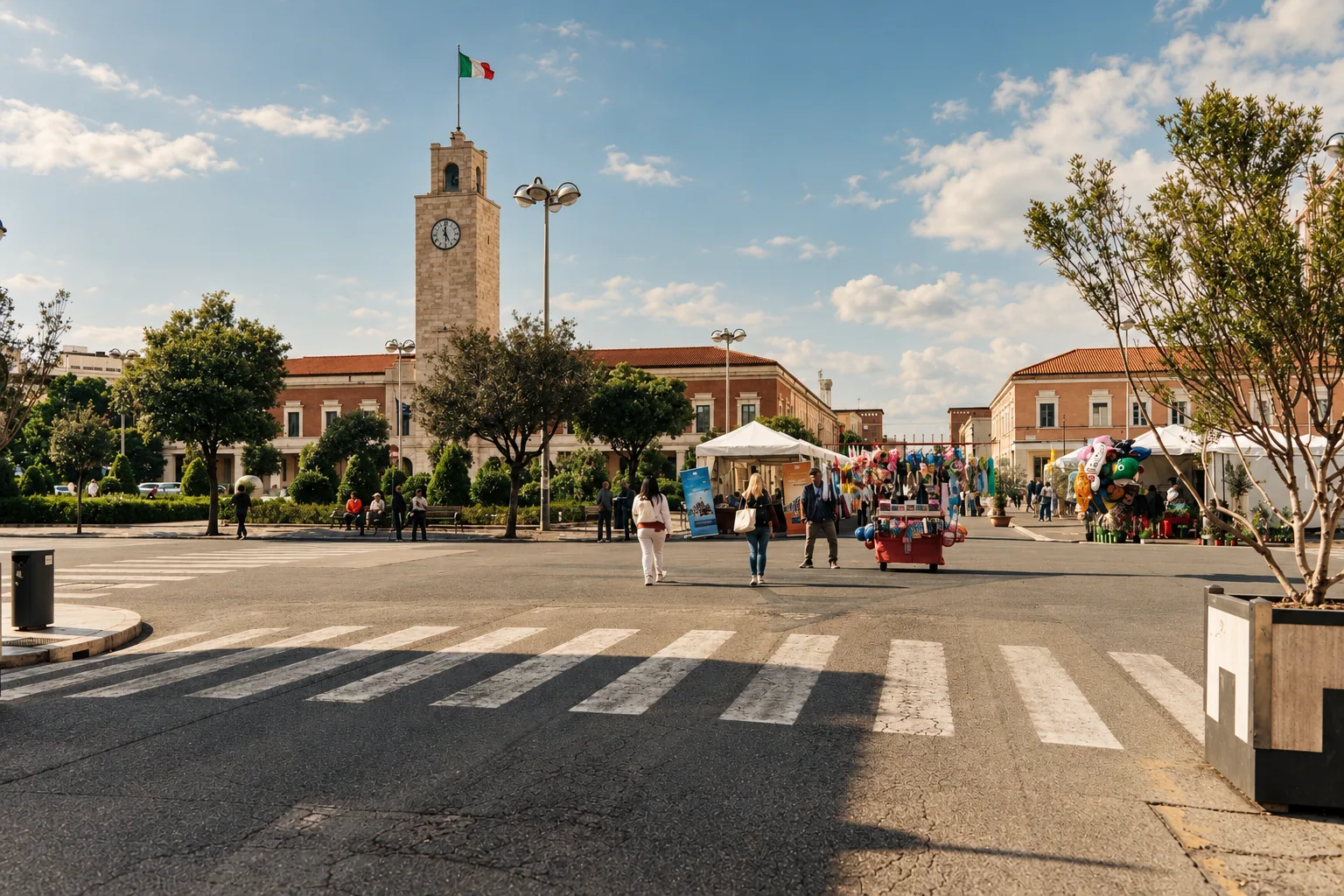
LatinaFounded in 1932 on the drained Pontine Marshes, Latina is the youngest provincial capital in Lazio, laid out in the rationalist style of the bonifica era. Its geometric centre opens onto the farmland and beaches of the Agro Pontino. MarinoOne of the wine towns of the Castelli Romani, Marino is famous for its October Sagra dell'Uva, the grape festival when, by tradition, the town's fountains are said to run with wine. Vineyards cloak the slopes around it.
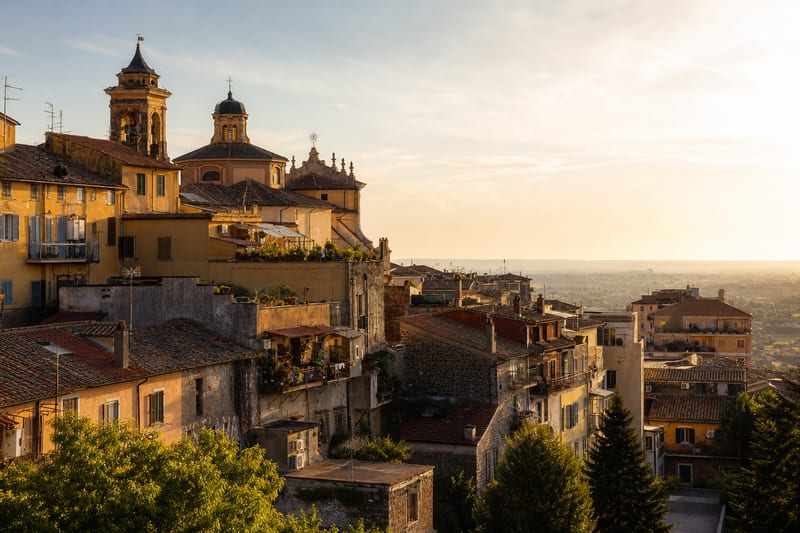
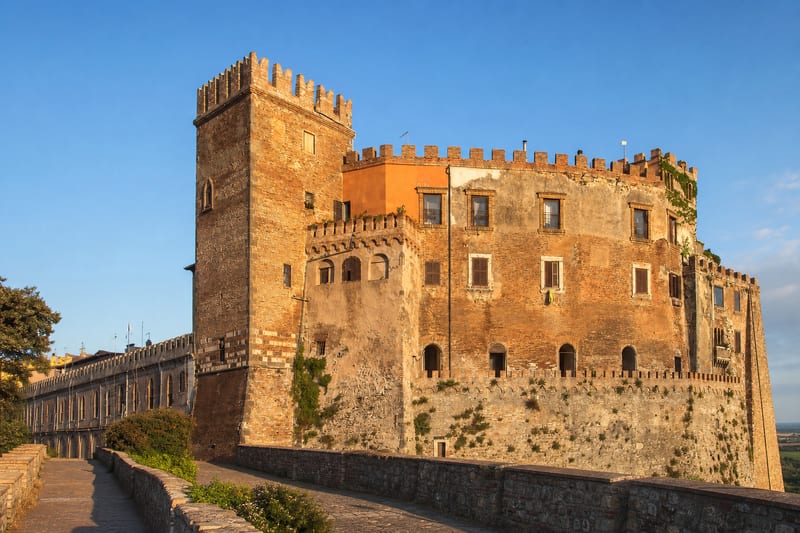
Montalto di CastroOn the Maremma coast at the northern edge of Lazio, Montalto di Castro guards the archaeological park of Vulci, one of the foremost cities of ancient Etruria, with its tombs, ruins, and the dramatic Devil's Bridge over the Fiora gorge.
NemiA tiny village balanced above the dark volcanic crater of Lake Nemi, the so-called Mirror of Diana. Nemi is loved for its wild strawberries, celebrated in a June festival, and for the colossal Roman ships once recovered from the lakebed.
NettunoA coastal town south of Rome, Nettuno keeps a walled medieval borgo behind its modern seafront and a baronial fort above the harbor. Its sandy Tyrrhenian beaches draw Romans through the summer.
OrteA medieval town on a tufa spur above a bend in the Tiber, Orte commands the river valley on the border with Umbria. Its compact old centre, honeycombed with underground passages, sits at a historic crossroads of road and rail.
PalestrinaBuilt over the vast terraces of the ancient Sanctuary of Fortuna Primigenia, Palestrina climbs the slope in stepped tiers that still trace the temple's monumental ramps. The composer Giovanni Pierluigi da Palestrina took his name from the town.
PomeziaFounded in the 1930s on the reclaimed Pontine Marshes, Pomezia is a planned town of the bonifica era south of Rome. Now an industrial and agricultural hub, it reaches the Tyrrhenian coast at the resort frazione of Torvaianica.
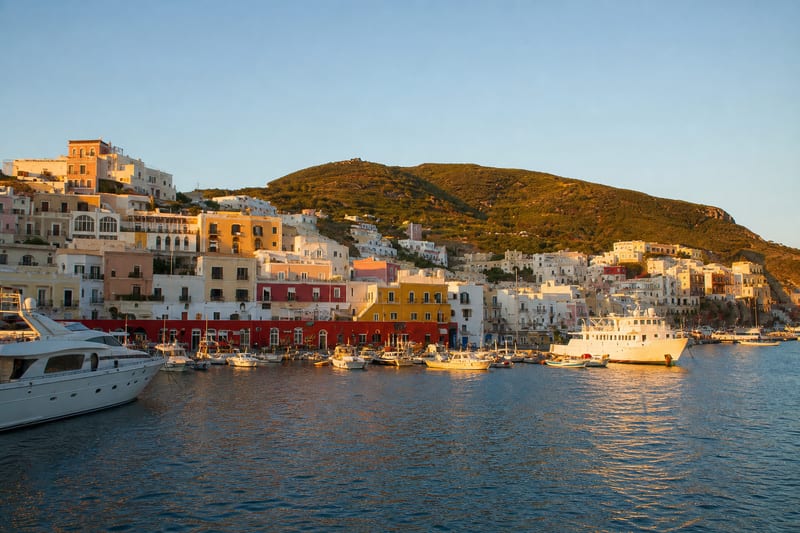
PonzaThe largest of the Pontine Islands, Ponza is a crescent of pastel houses, sea caves, and improbably clear water. Honeycombed with Roman tunnels and grottoes, this volcanic island is a beloved summer escape off the Lazio coast.
- Priverno
RietiA Sabine provincial capital ringed by medieval walls along the Velino river, Rieti is held to mark the geographic centre of Italy, a point noted in its main piazza. The Franciscan sanctuaries of the surrounding Sacred Valley draw pilgrims.
Santa MarinellaA relaxed beach town on the coast north of Rome, Santa Marinella is known for its sheltered, family-friendly bays and a small castle set right at the water's edge. It has long been a summer escape for the capital.
SermonetaA perfectly preserved medieval borgo on a spur above the Pontine plain, Sermoneta is crowned by the Castello Caetani, a powerful baronial fortress. Its silent stone lanes look down toward the abbey gardens of Ninfa below.
SperlongaA whitewashed village spilling down a headland between two bays, Sperlonga is one of Lazio's prettiest seaside towns. Below it, the seafront grotto of the emperor Tiberius once held a dramatic sculpture group, now in its archaeological museum.
SubiacoIn the Aniene valley of the Simbruini mountains, Subiaco is the cradle of Western monasticism, where Saint Benedict withdrew to a cave. The Monastery of San Benedetto clings to the cliff above frescoed chapels and the saint's sacred grotto.
SutriSet on a tufa ridge along the ancient Via Cassia, Sutri is famous for its Roman amphitheatre carved entirely out of the living rock, alongside rock-cut tombs and a Mithraeum turned medieval church in its archaeological park.
TarquiniaTarquinia holds the greatest treasure of Etruscan art: the UNESCO-listed Monterozzi necropolis, where painted tombs preserve scenes of banquets, dancers, and the sea. The Tomb of the Leopards opens a vivid window onto a vanished people.
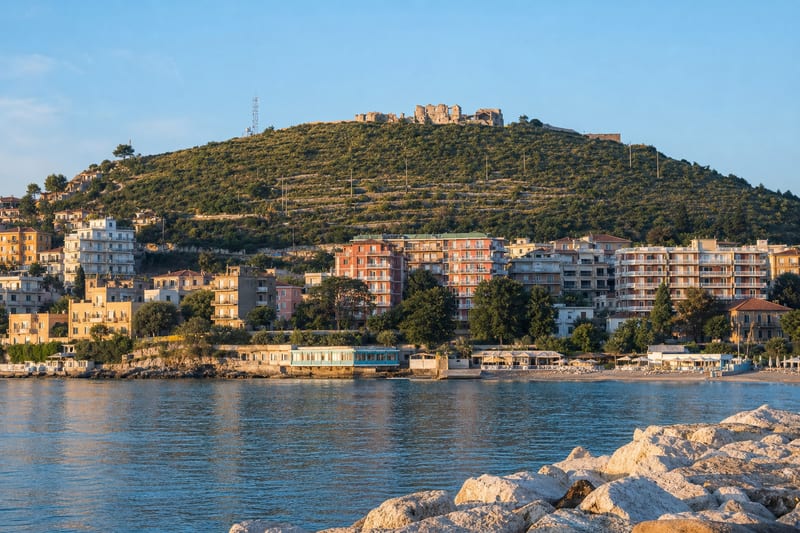
TerracinaA coastal town on the Riviera di Ulisse, Terracina pairs long sandy beaches with a hilltop crowned by the Temple of Jupiter Anxur, whose Roman arches command a sweeping view over the Tyrrhenian Sea and the Pontine plain.
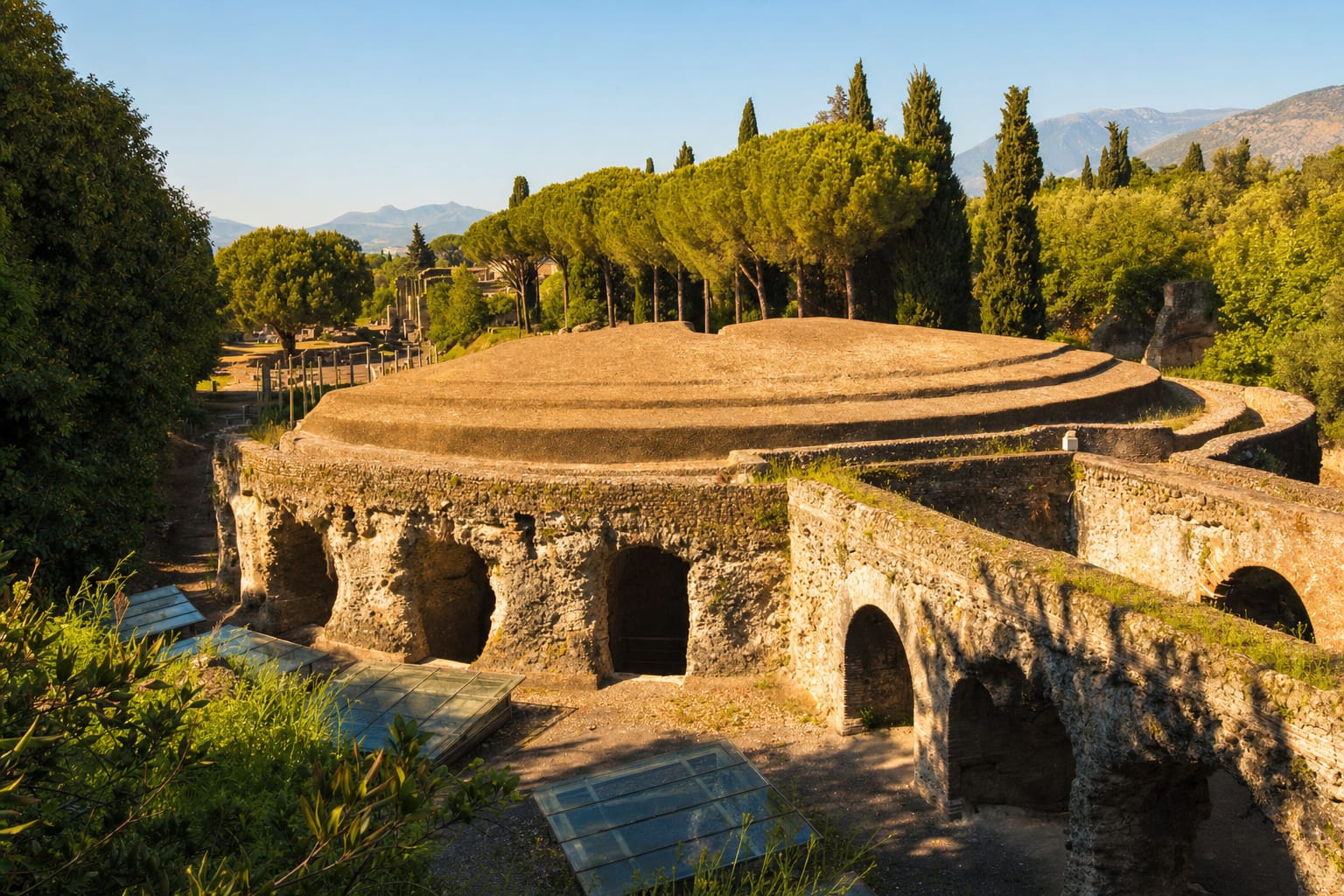
TivoliIn the hills east of Rome, Tivoli holds two UNESCO masterpieces: Hadrian's Villa, the sprawling country retreat of the emperor with its Canopus pool, and the Renaissance Villa d'Este, whose terraced gardens cascade through hundreds of fountains.
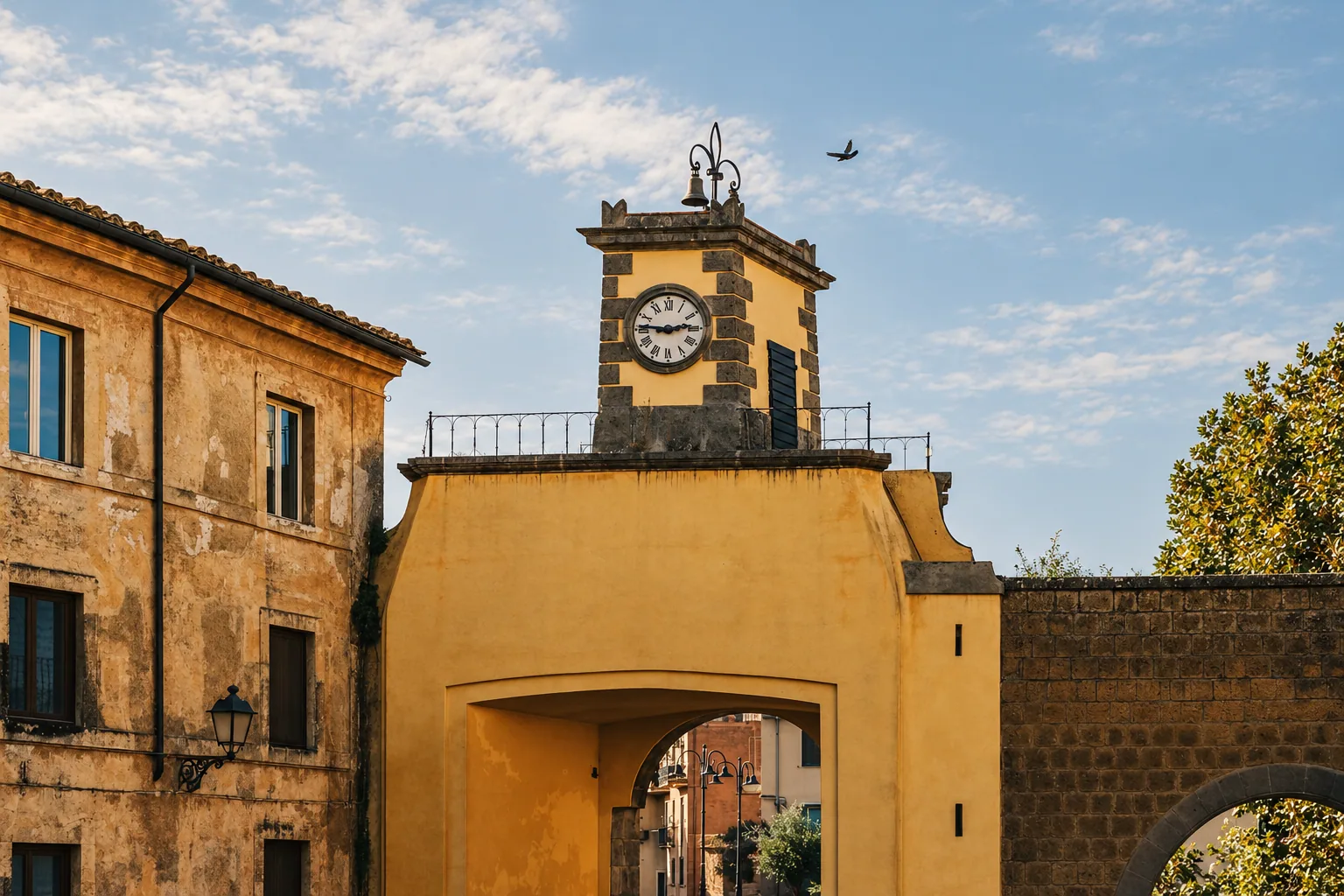
TuscaniaAn Etruscan and medieval town in the Maremma Laziale, Tuscania is celebrated for two superb Romanesque churches, San Pietro and Santa Maria Maggiore, standing apart on a hill above the old centre amid Etruscan tombs. VelletriAt the southern edge of the Alban Hills, Velletri is a wine town on the slopes where vineyards meet the Pontine plain. Its old centre, much rebuilt after wartime damage, anchors one of the larger communities of the Castelli Romani.
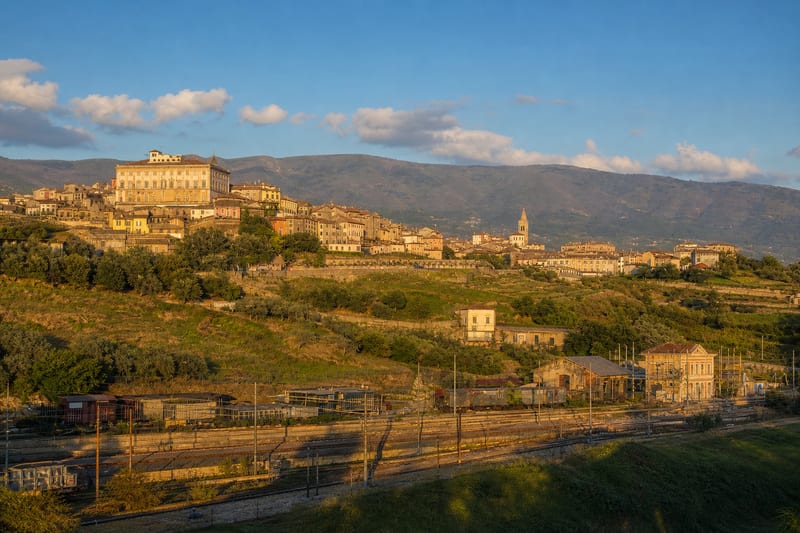
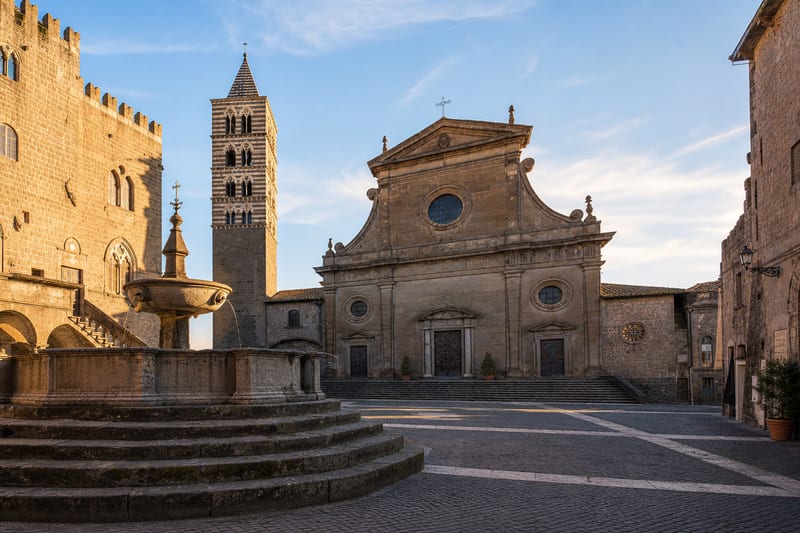
ViterboThe capital of the Tuscia, Viterbo holds the finest medieval quarter in Lazio, the San Pellegrino district, and the Gothic Palazzo dei Papi, where popes once held conclave. Thermal springs steam in the countryside around the city.