Skip to content
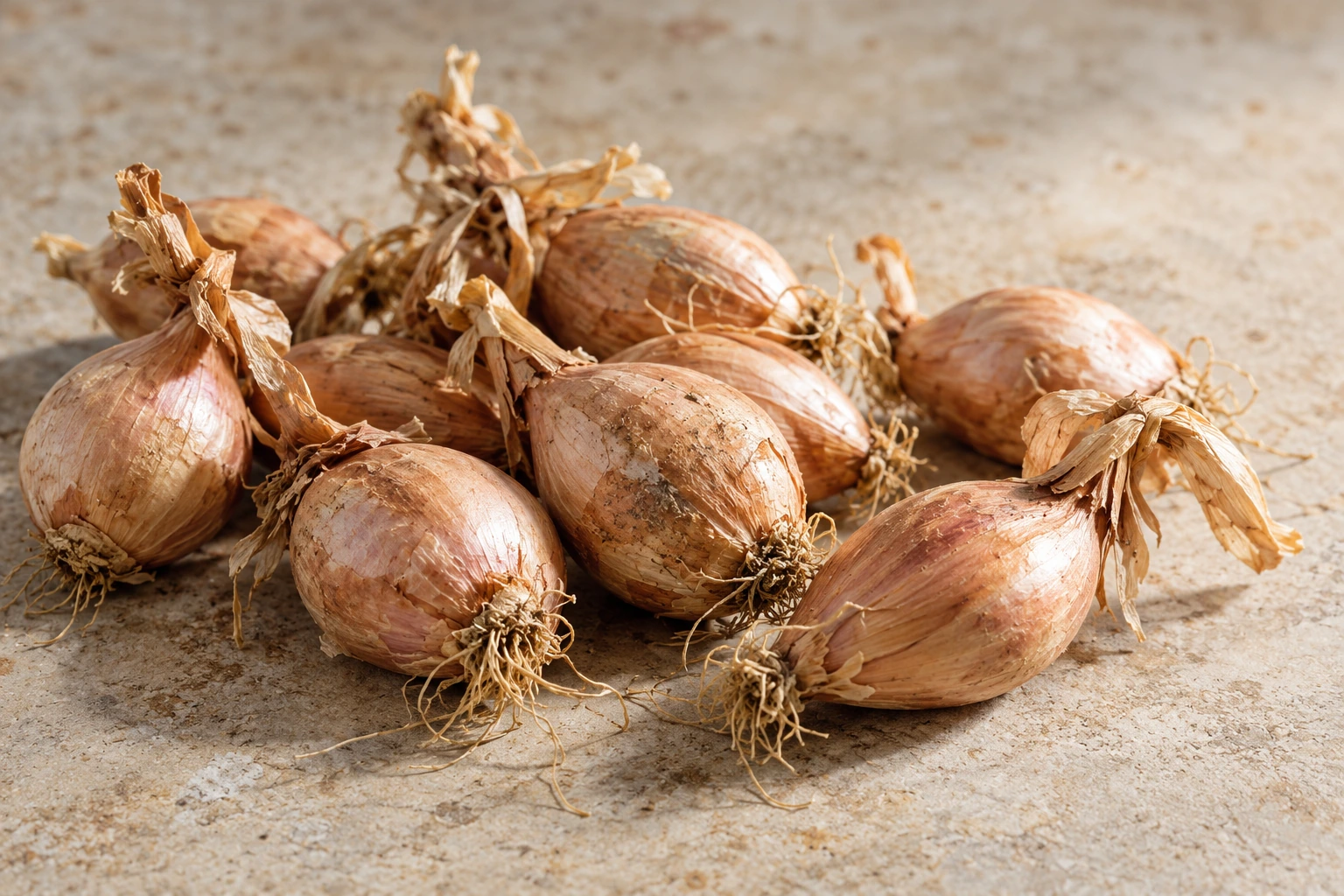
Shallot bulbs with dry papery skins

Shallot

A small culinary bulb to peel and chop for the brodetto’s aromatic base.

Material
Shallot
Form
Raw bulb, peeled before weighing
Recipe amount
50 g peeled shallot for four portions of brodetto

The ingredient

A small culinary bulb to peel and chop for the brodetto’s aromatic base.

Shallots have a dry outer skin around layered flesh. Bulbs vary in shape and color, so a weighed peeled quantity is more precise than a fixed number of bulbs. Scalogno di Romagna IGP is a regional shallot with a protected designation.

In the kitchen

Trim the ends, remove the dry skin and separate any joined lobes. Weigh the peeled flesh, then chop finely. Soften it gently in the oil, stirring so the small pieces do not catch or become bitterly scorched.

Context

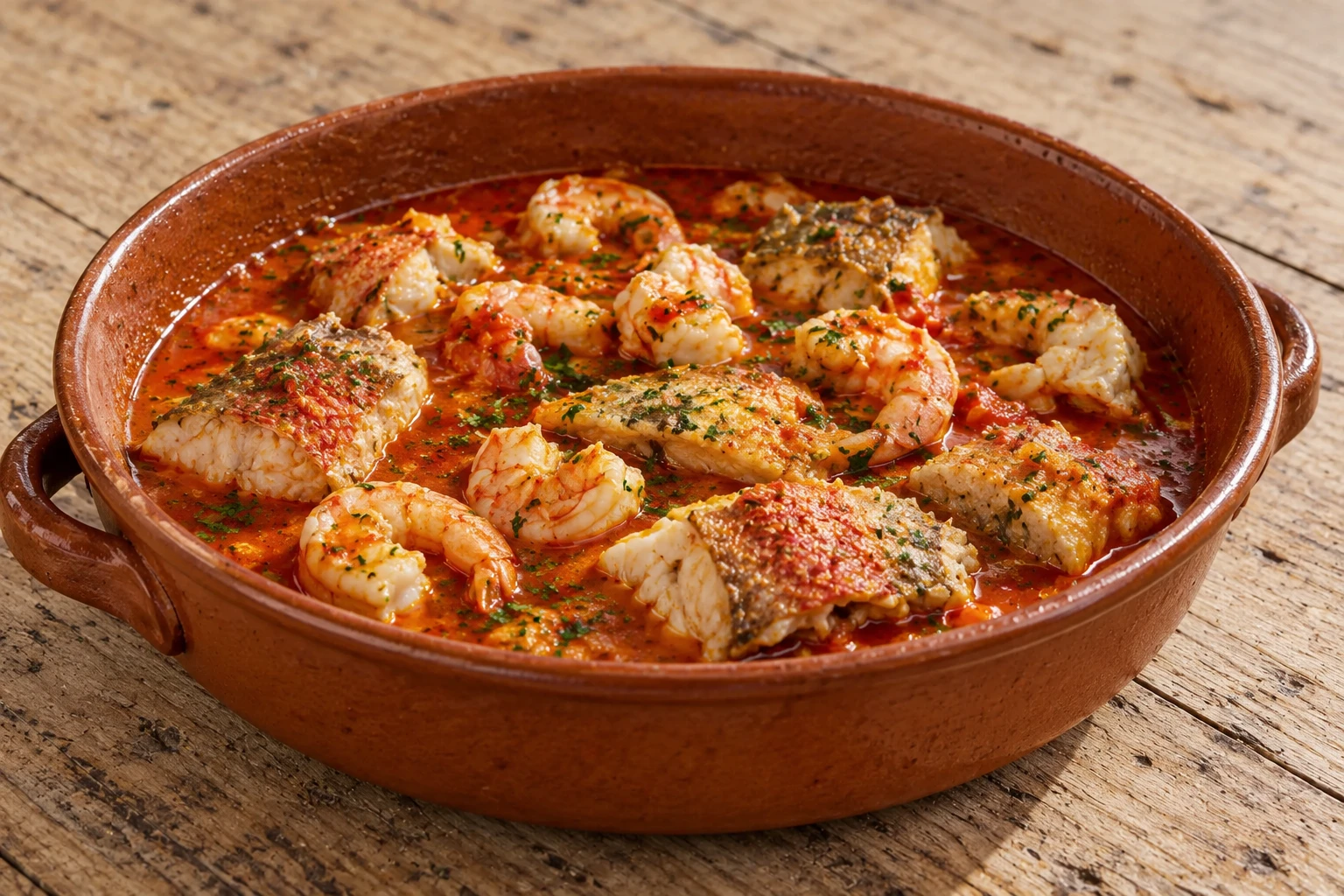
In the Romagna-style brodetto, shallot softens with garlic in oil before tomato and fish stock are added. Its role is the finely chopped aromatic base, rather than a separate garnish.

At the table

Use 50 g after peeling for the four-portion brodetto. Because bulb size varies, peel and weigh rather than translating that amount into a universal one-shallot measure.

Choosing it

Choose firm culinary shallots with dry skins, without soft or moldy areas. Allow for the dry outer skin when buying, then weigh the peeled flesh for the brodetto.

Keeping it

Keep whole dry bulbs in a cool, dry, ventilated place following the supplier’s guidance. Once peeled or chopped, keep covered and chilled until cooking.

Questions worth asking

Must it be Scalogno di Romagna IGP?

Choose firm culinary shallots and weigh 50 g after peeling for the four-portion brodetto. Scalogno di Romagna IGP is one regional option.

Is 50 g weighed with the skin?

No. Weigh the peeled flesh that goes into the pan.

A letter from Italy, once a month.

The places, tables and makers we found worth your time. One email, no noise.

One letter a month. Unsubscribe at any time. We never share your address.

Help us get it right

What is it about?