

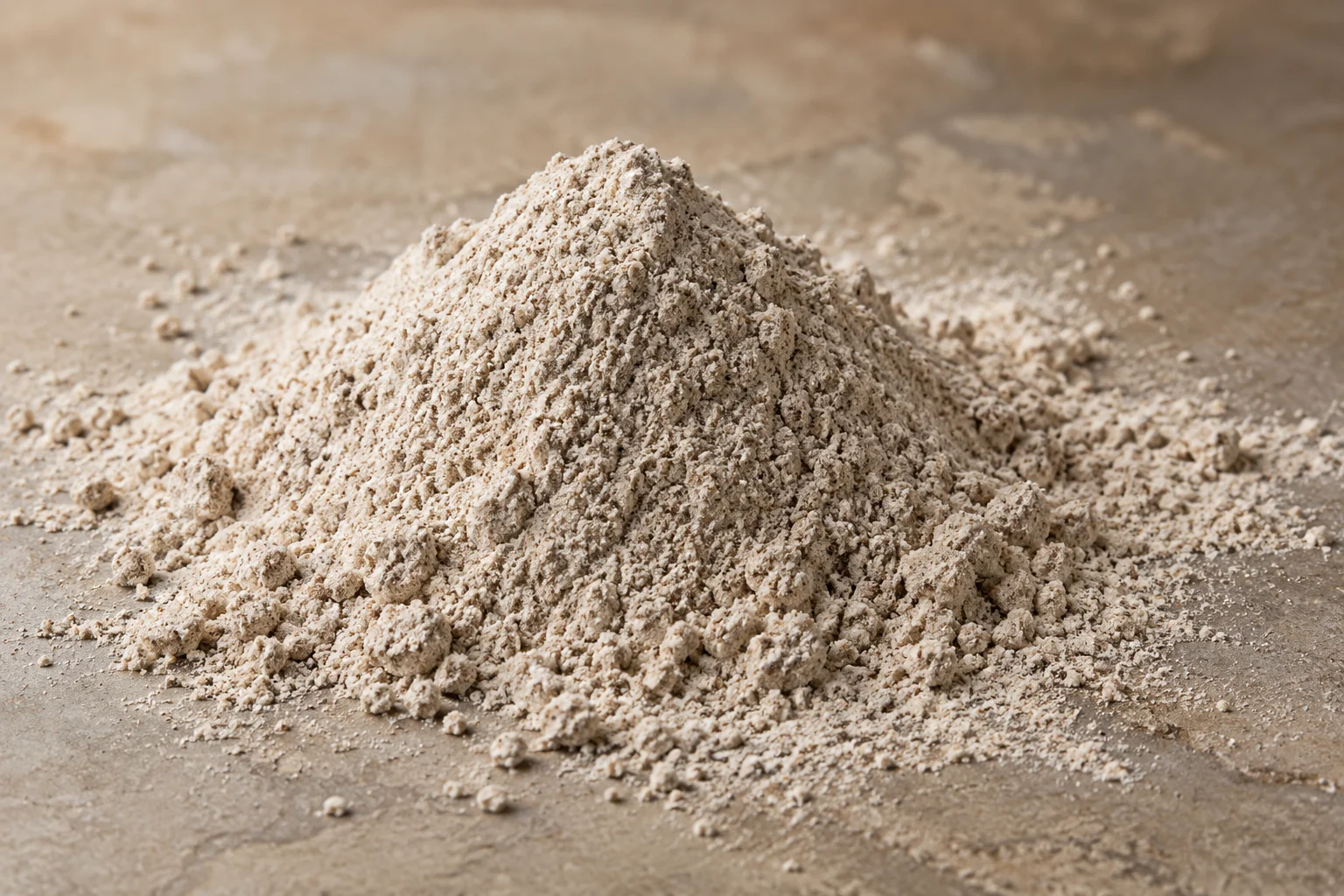
Buckwheat flour
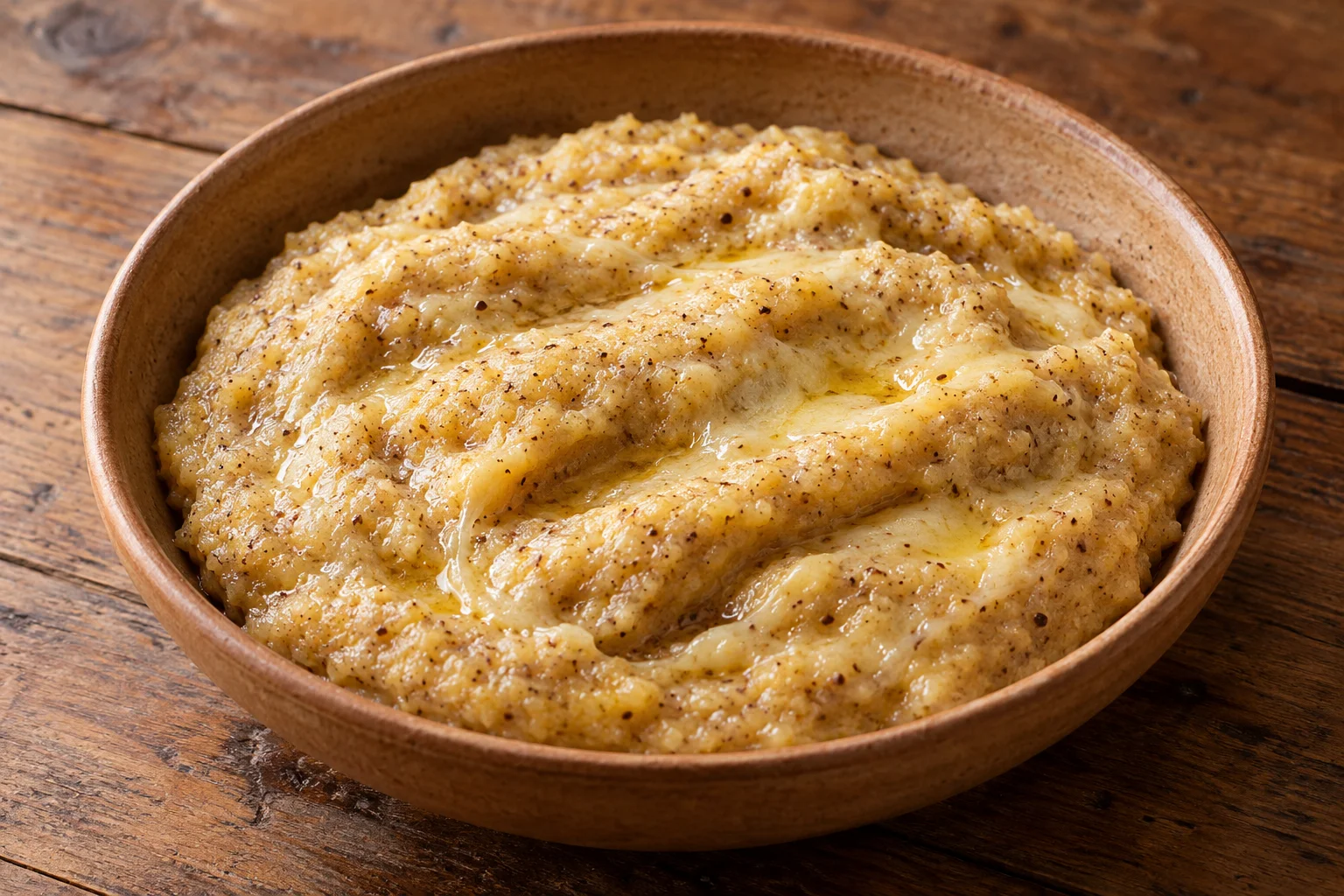
Earthy, gray-brown buckwheat flour brings a deep grain flavor to mountain pasta, soft cakes and crêpes. Blend it with cornmeal for a soft polenta taragna.
- A distinctive flour
- The flour has a darker color and a more pronounced flavor than refined wheat flour.
- Mountain cooking
- In northern Italian cooking, buckwheat appears in pizzoccheri-style pasta and in the corn-and-buckwheat blend used for taragna.
Mix it into a dough or batter
For pasta, combine it with wheat flour when you want a more elastic dough. For crêpes or cakes, whisk it into the dry ingredients and let the batter rest briefly before cooking.
Pair its earthy flavor
Use it with butter, cheese, cabbage or potatoes. In polenta taragna, cornmeal supplies the base while buckwheat adds its darker, nutty note.
Cook with it
Choose the grind for the job
Look for flour labeled grano saraceno and check whether it is wholemeal. A finer grind suits batters; a coarser one gives polenta more texture.
Keep it sealed and dry
Store the flour in an airtight container away from heat and moisture. Follow the package date and refrigerate or freeze it if the label recommends it.
