The name simply means "across the Tiber," and the neighborhood has felt like a place apart from Rome since antiquity: Etruscan territory the Romans called Ripa Etrusca before conquering it mainly to control both riverbanks, then a district settled early on by sailors, fishermen and immigrant communities of Syrians and Jews rather than the political elite across the water.
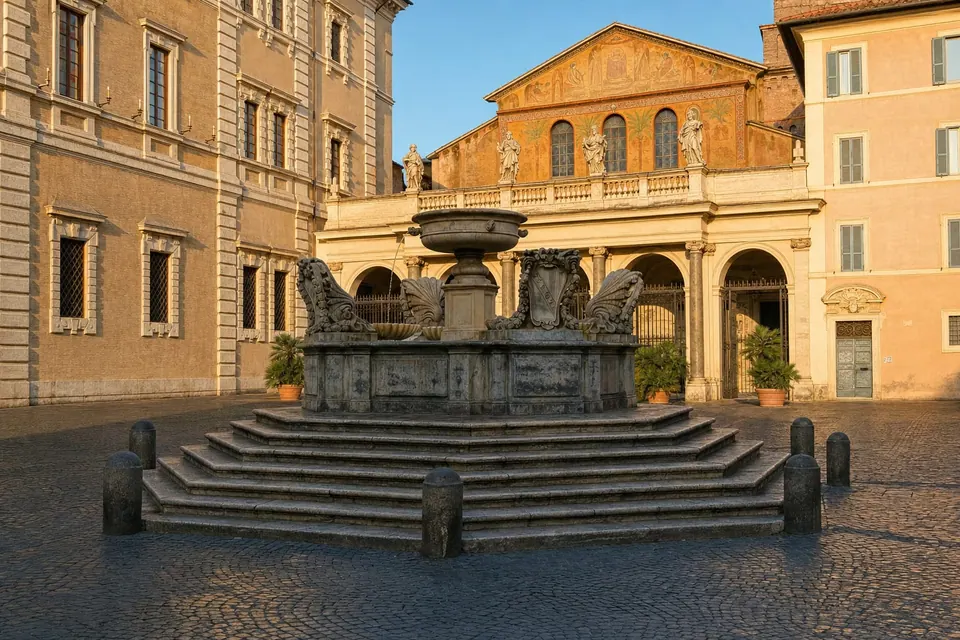
Augustus folded it into the city as Regio XIV in his reorganization, but Trastevere kept its own character and, for centuries, hosted Rome's oldest Jewish community. That looser, working-class identity survives in its ochre facades, ivy-draped alleys and irregular street plan, a contrast to the more monumental center across the river. At its heart, the Basilica of Santa Maria in Trastevere, one of Rome's oldest churches, glows with twelfth-and thirteenth-century gold mosaics, and the piazza in front of it fills nightly with a mix of residents, students and visitors settling in for Rome's longest-running dinner scene.