Every city in Sardinia
From the capital to the smallest borghi.
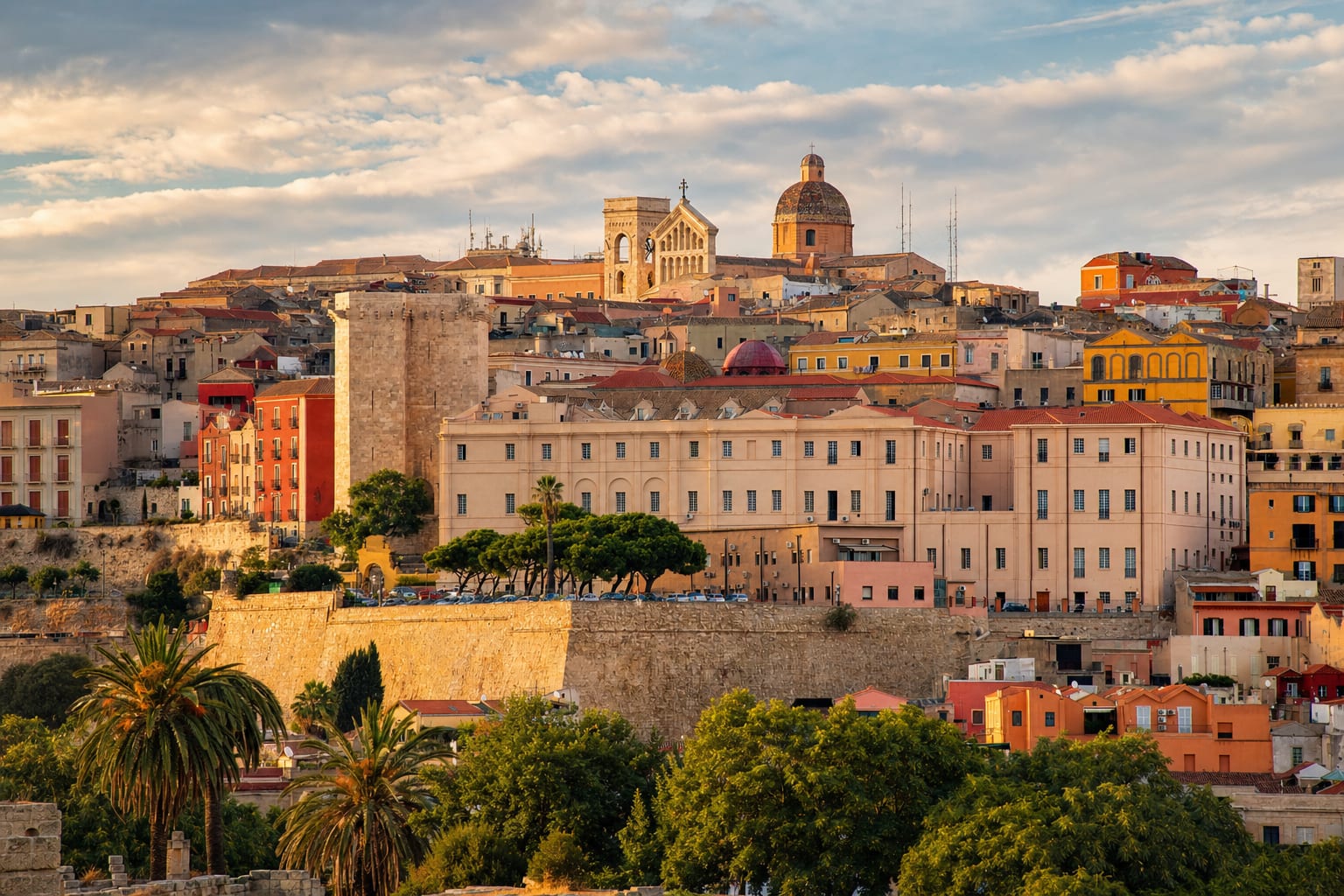 CagliariThe capitalSardinia's capital climbs from its harbor to the walled Castello quarter, ringed by Pisan towers and crowned by the Bastione di Saint Remy. Below the limestone heights, flamingos wade the salt lagoons and city beaches stretch along the gulf.
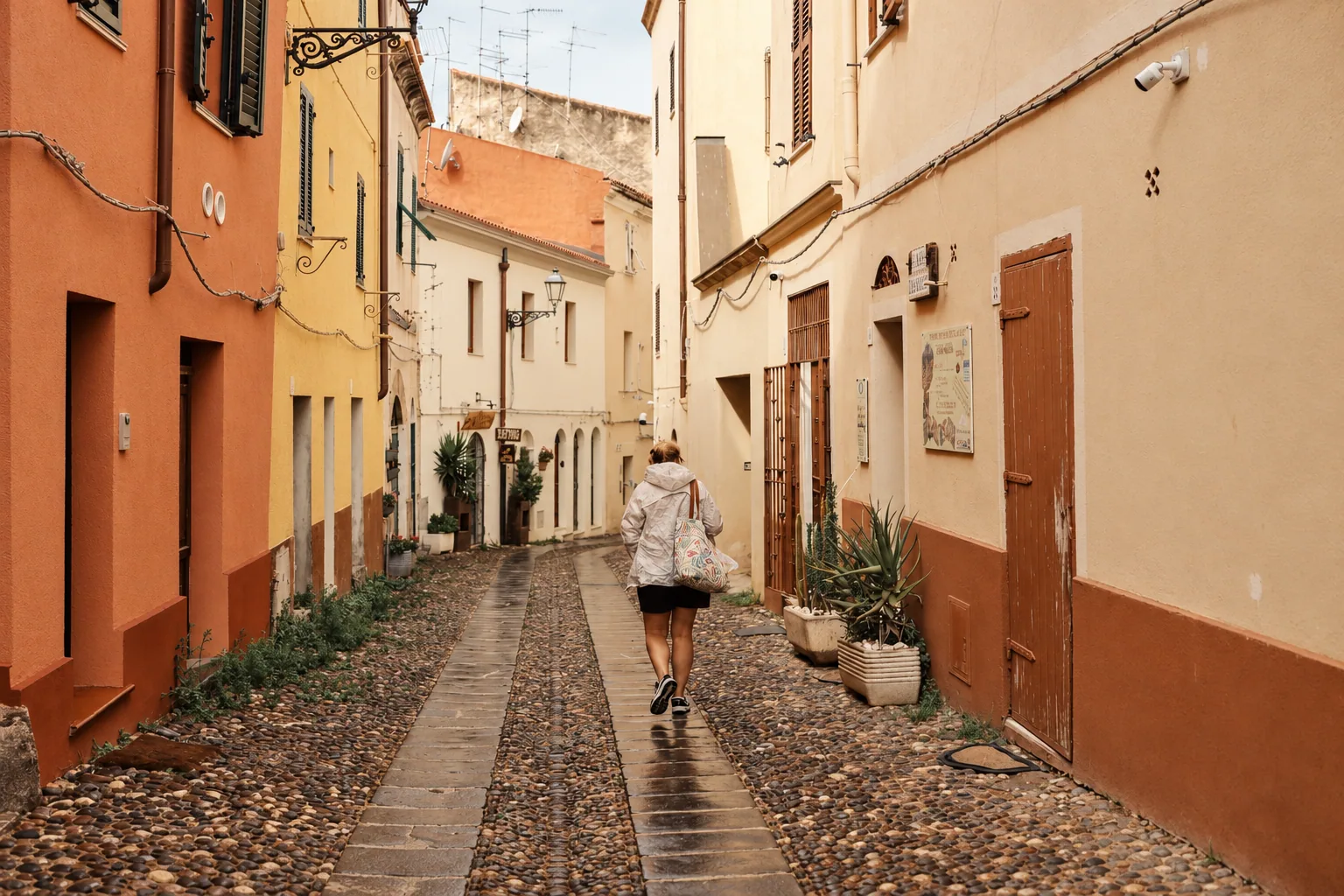 AlgheroA walled seaport on the northwest coast where Catalan was carried over from medieval Aragon and is still spoken today. Within its honey-stone ramparts the city trades in red coral, while nearby a boat ride leads to the sea cave of Neptune's Grotto.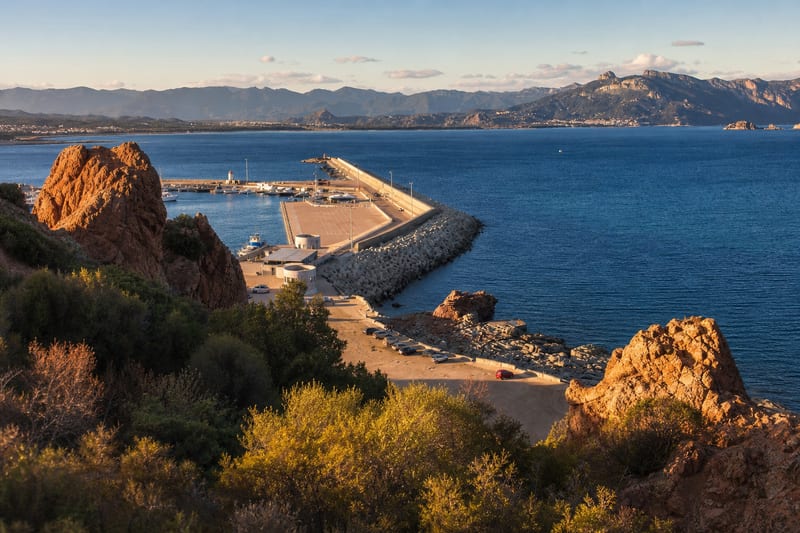
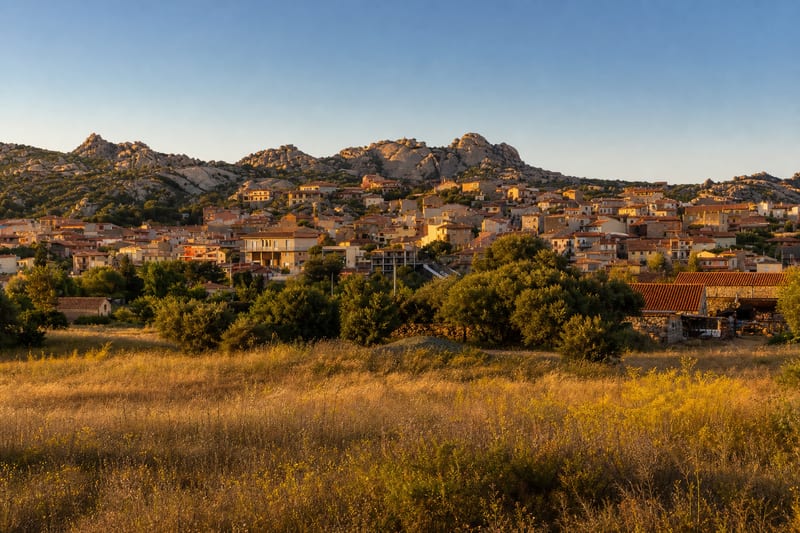
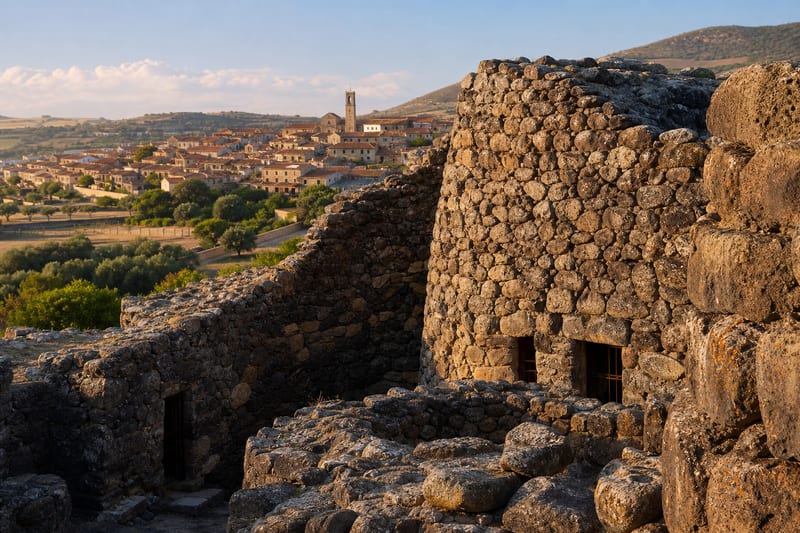
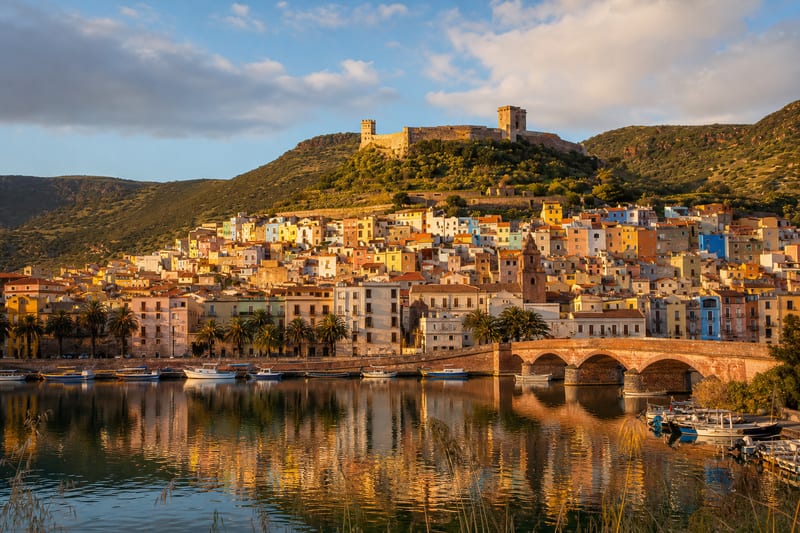
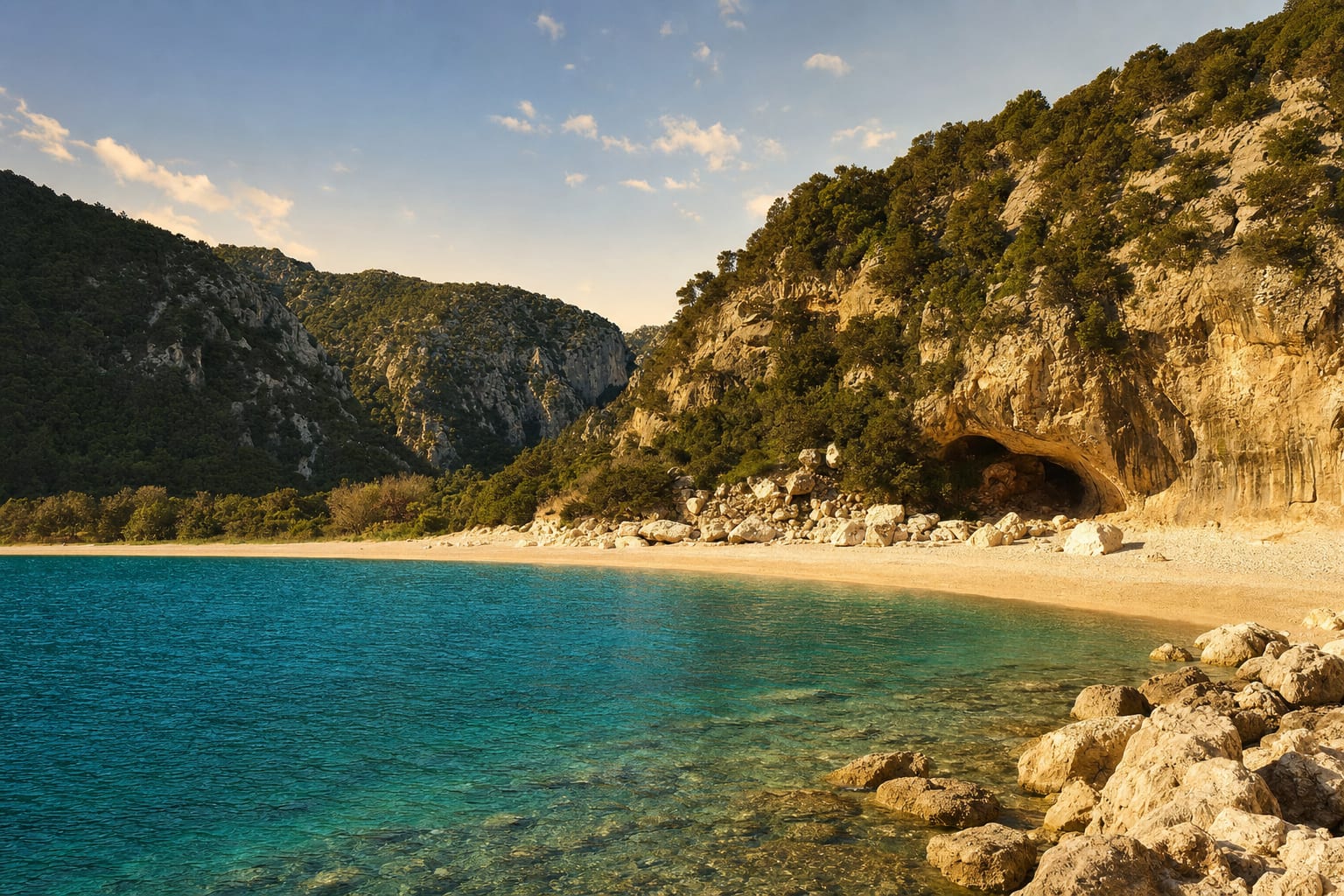 Cala GononeA seaside village reached by a hairpin road down the cliffs, the boat gateway to the Gulf of Orosei's hidden coves. From its little harbor launches set out for Cala Luna, a crescent of sand wedged between sheer limestone walls and shoreline caves.
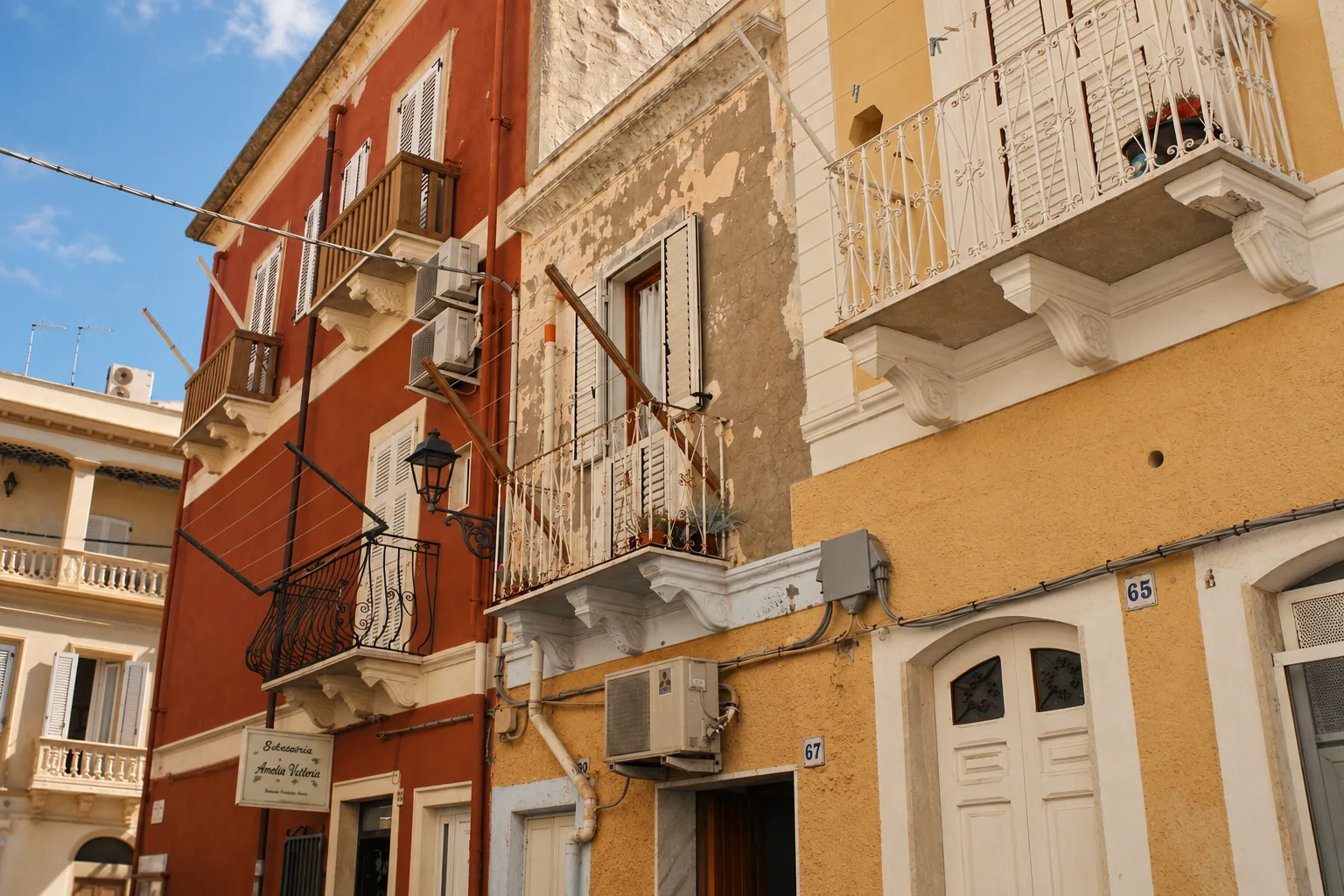 CarloforteThe only town on the island of San Pietro, off the southwest coast, settled in the eighteenth century by Ligurian families. Its people still speak a Genoese dialect and keep an old tuna-fishing culture, celebrated each spring at the Girotonno.
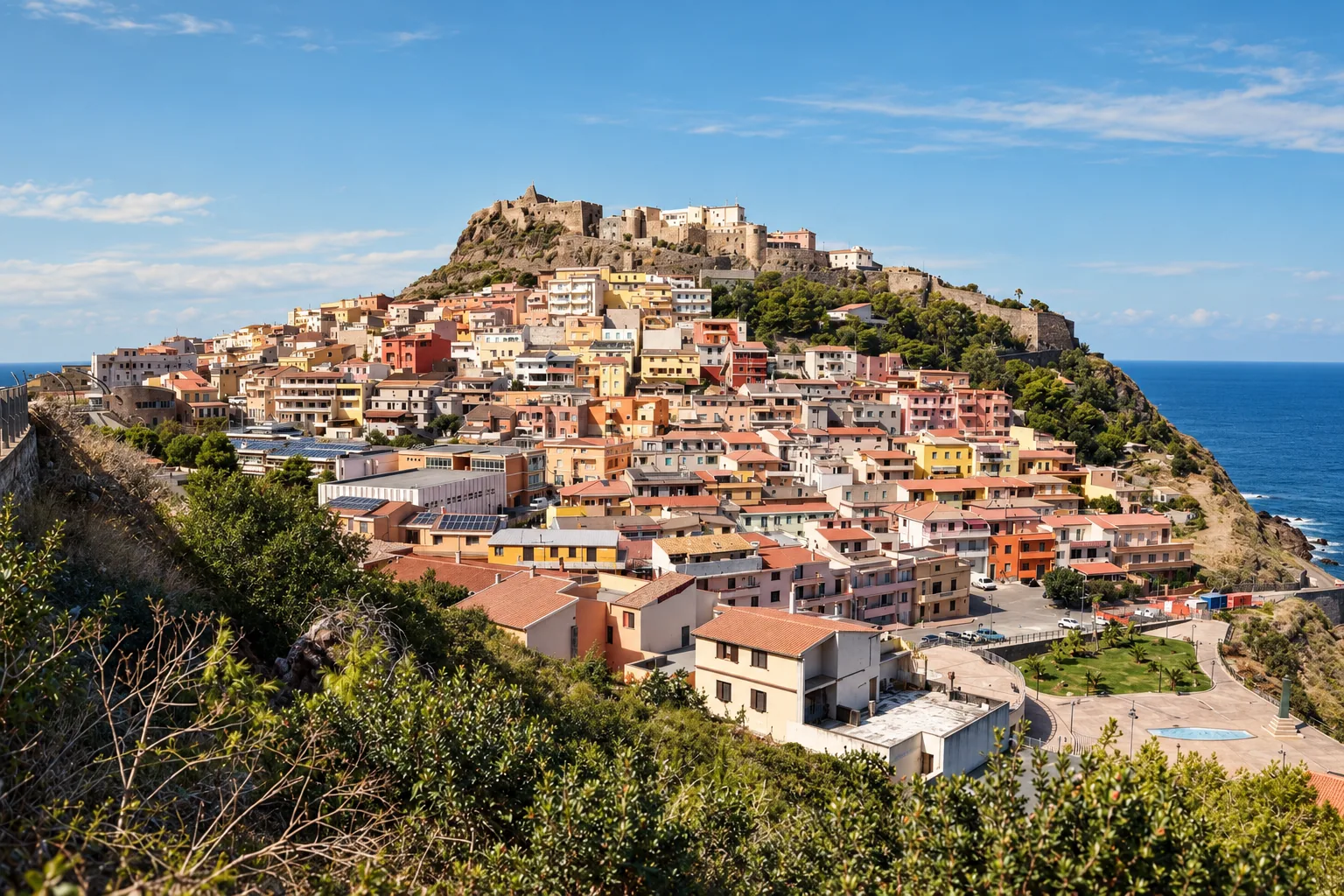 CastelsardoA medieval town stacked on a headland of the northern coast, crowned by a Doria fortress that now holds a basket-weaving museum. The craft runs deep here, where local women still weave dwarf-palm fronds into baskets sold along the streets.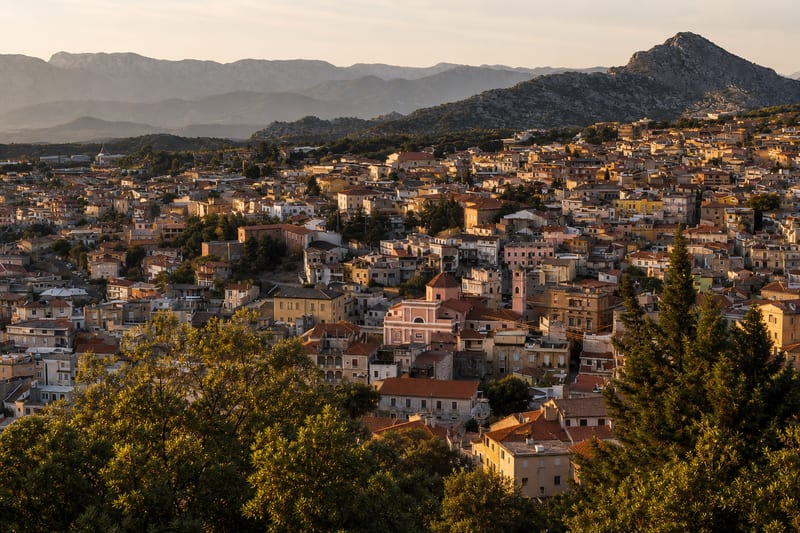
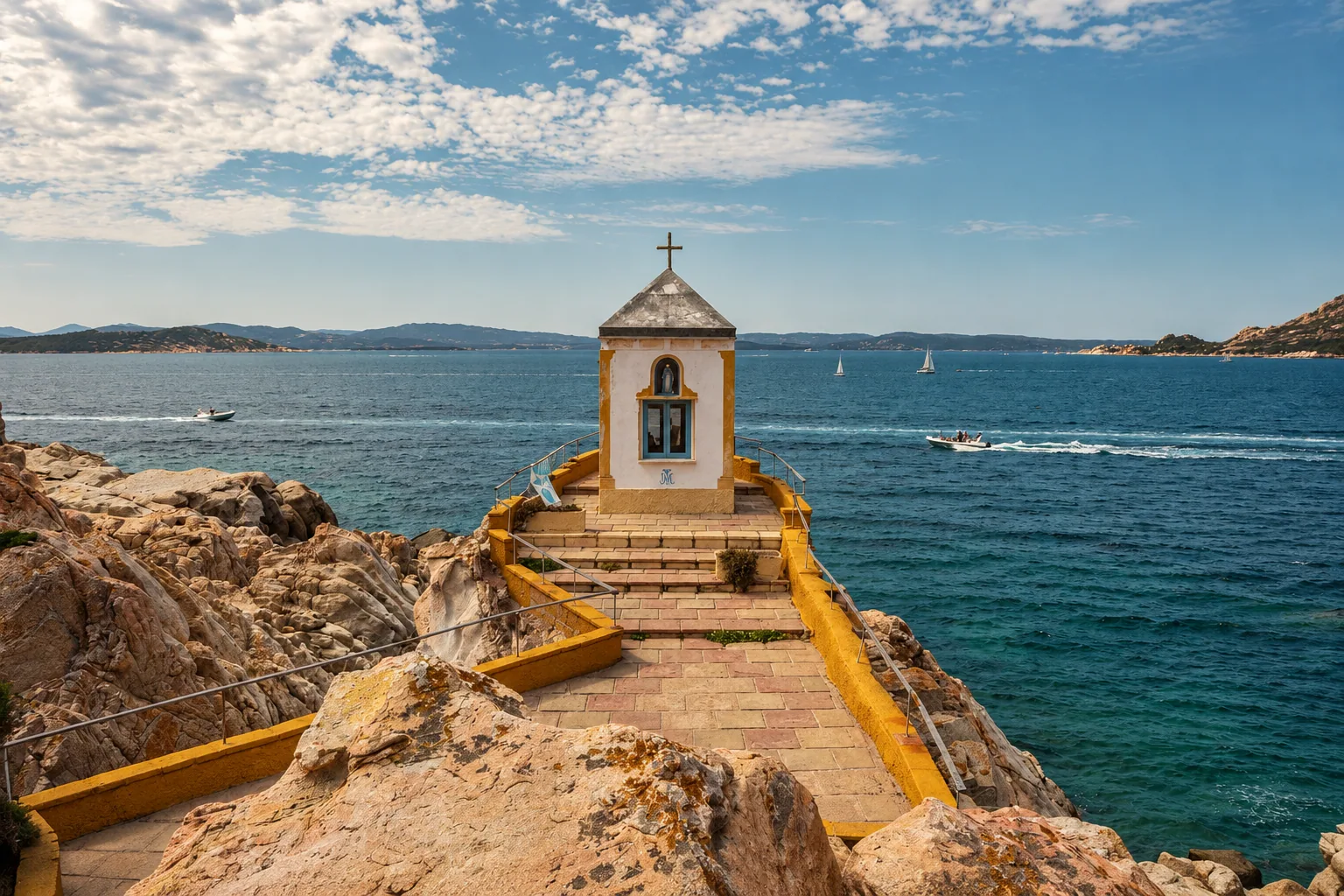
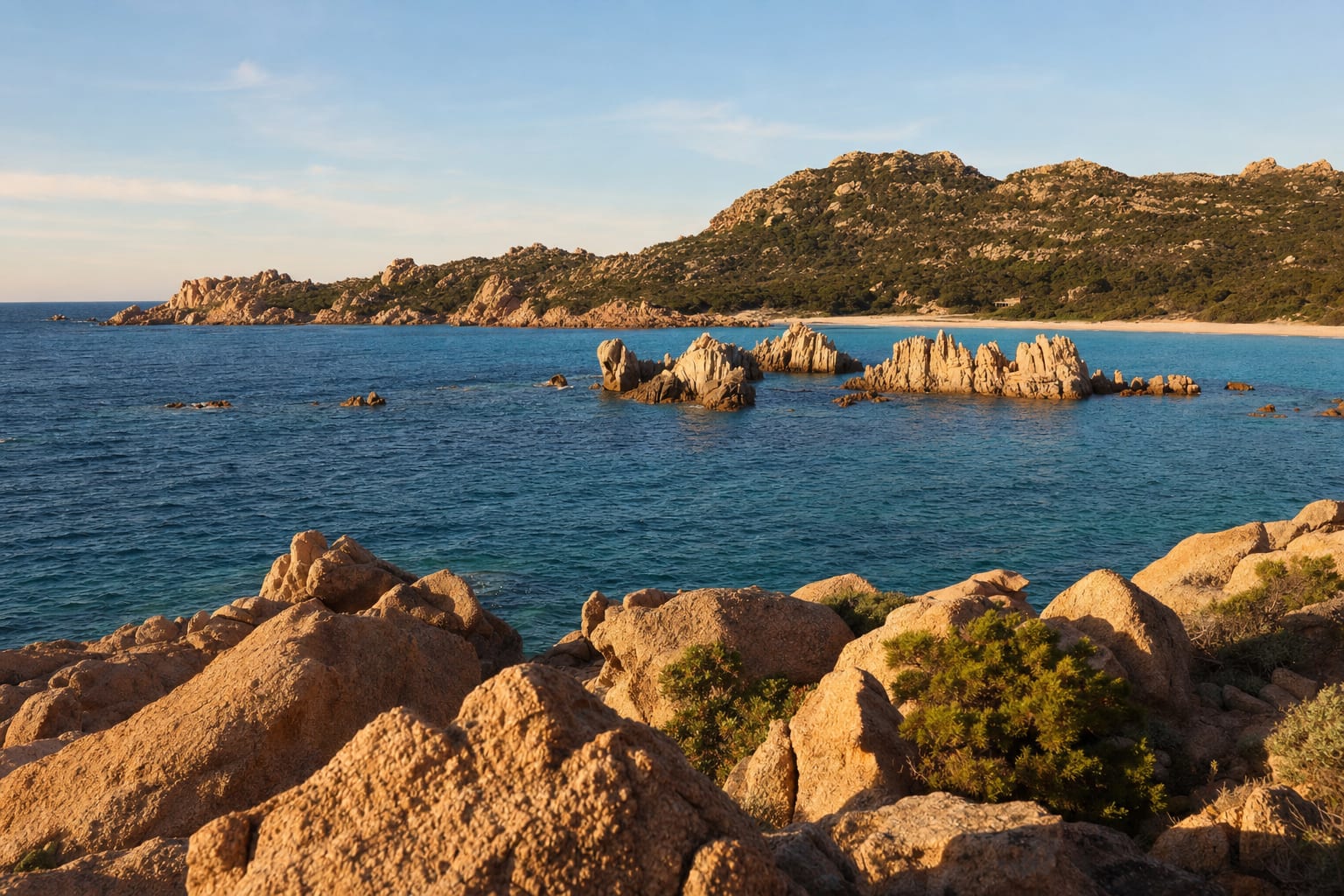 La MaddalenaThe main town of an archipelago of seven granite islands off the Gallura coast, now a national park. Its waters hold the famous pink sand of Budelli and Caprera, the island where Giuseppe Garibaldi spent his final years.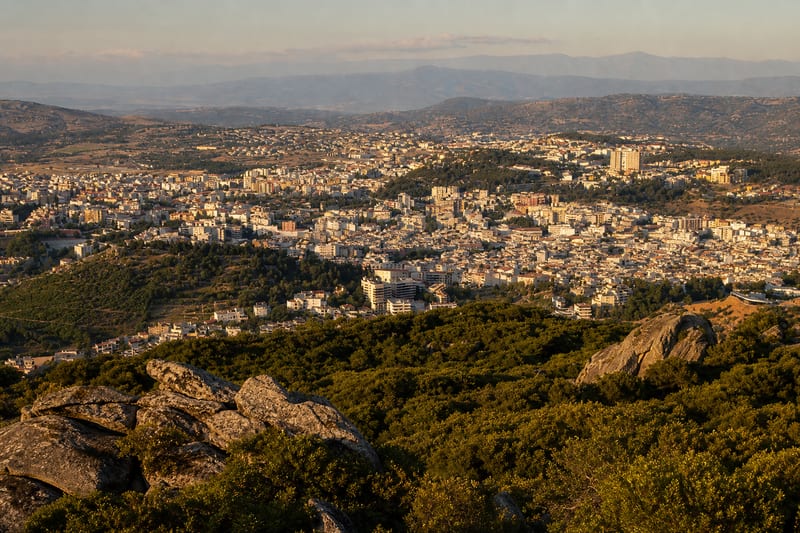
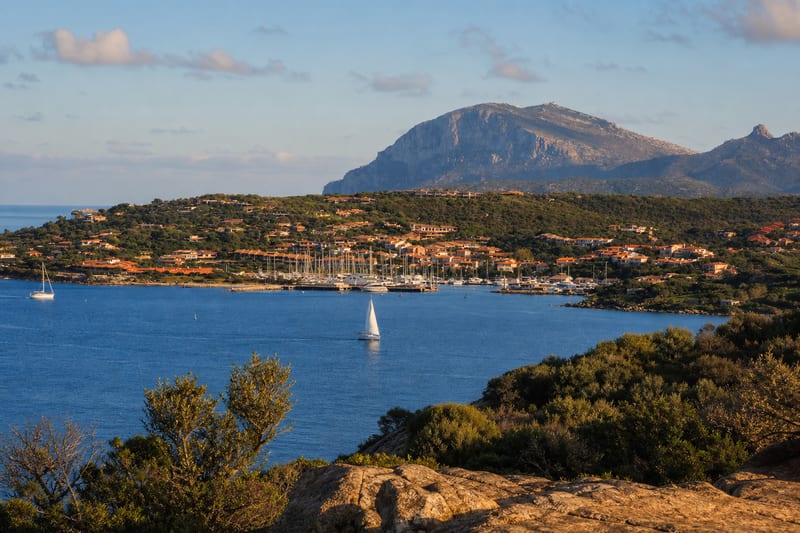
 Porto CervoThe glittering capital of the Costa Smeralda, conceived in the 1960s as a haven for the international jet set. Its sheltered marina fills each summer with superyachts, while the village blends Mediterranean style with discreet luxury boutiques.
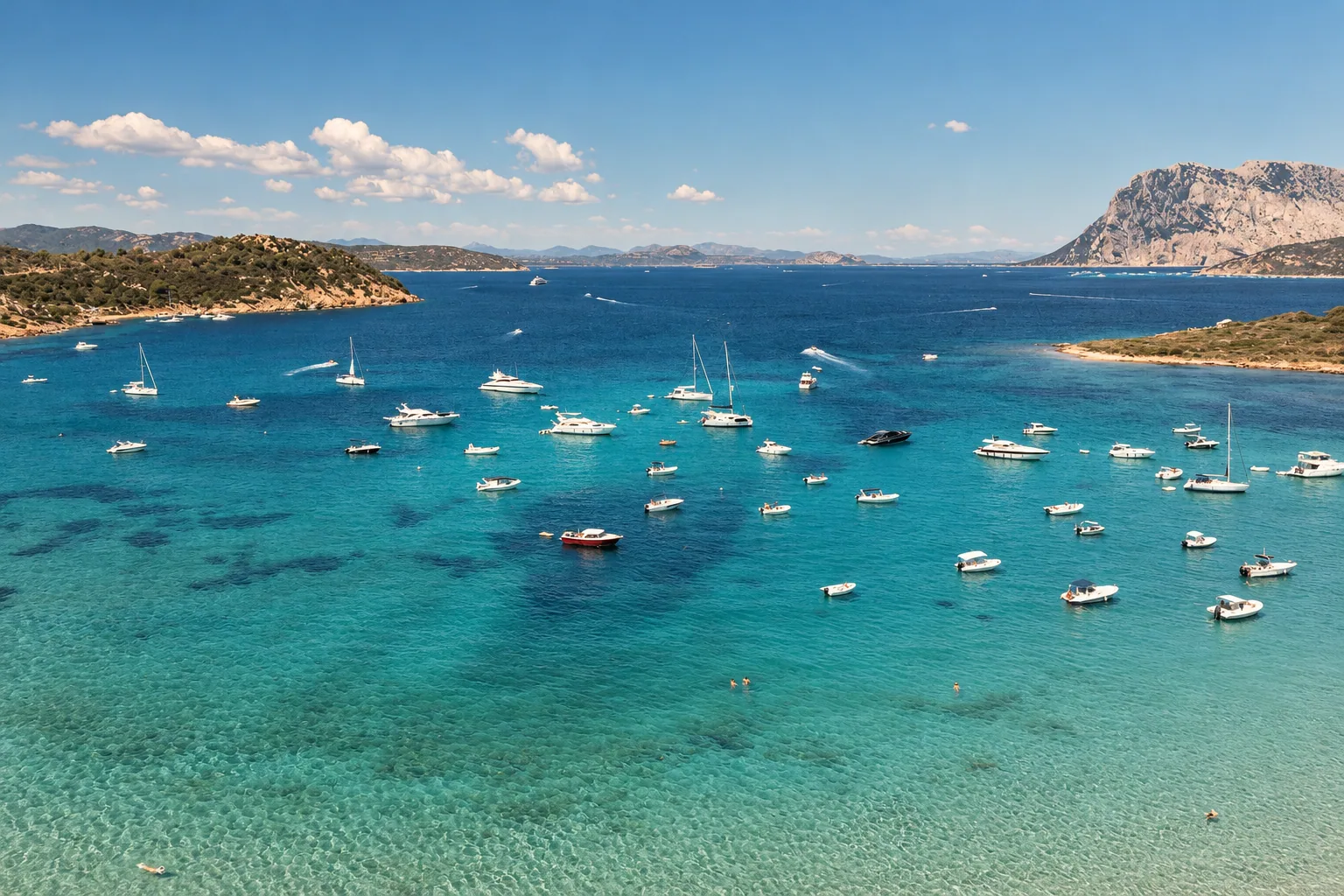 San TeodoroA lively resort on the northeastern coast, set between a string of sandy beaches and a lagoon where flamingos gather. Once a quiet fishing settlement, it now fills in summer with beachgoers and a youthful nightlife.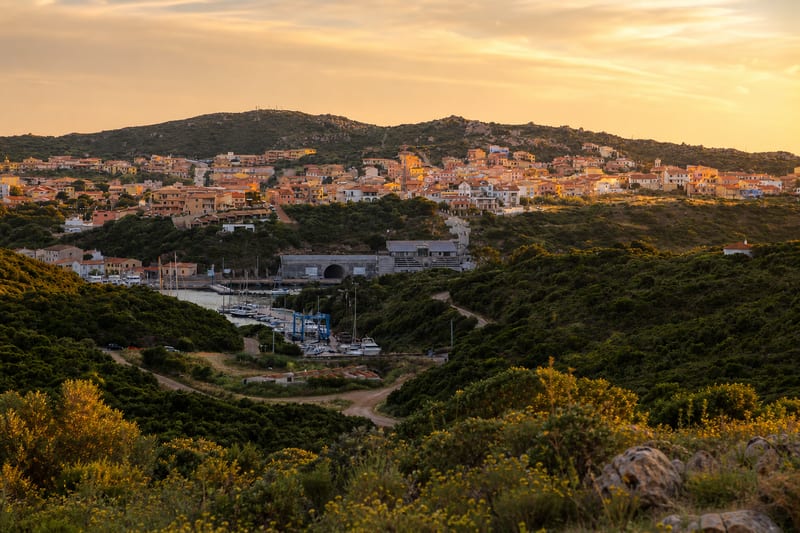
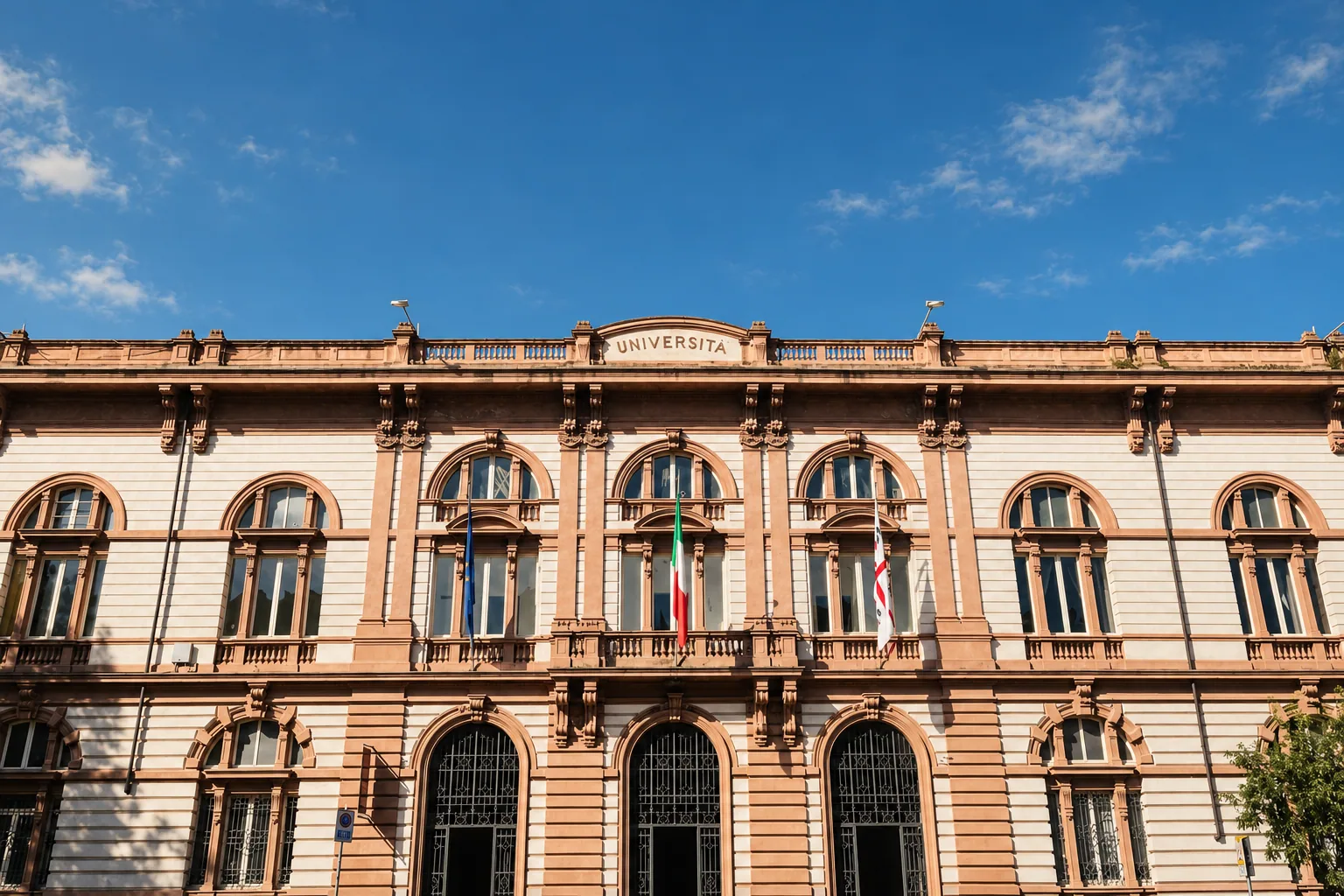 SassariSardinia's second city and a long-standing university town in the northwest, with a dignified old center of churches and palazzi. Its great folk festival, the Cavalcata Sarda, gathers costumed riders from across the island each spring.
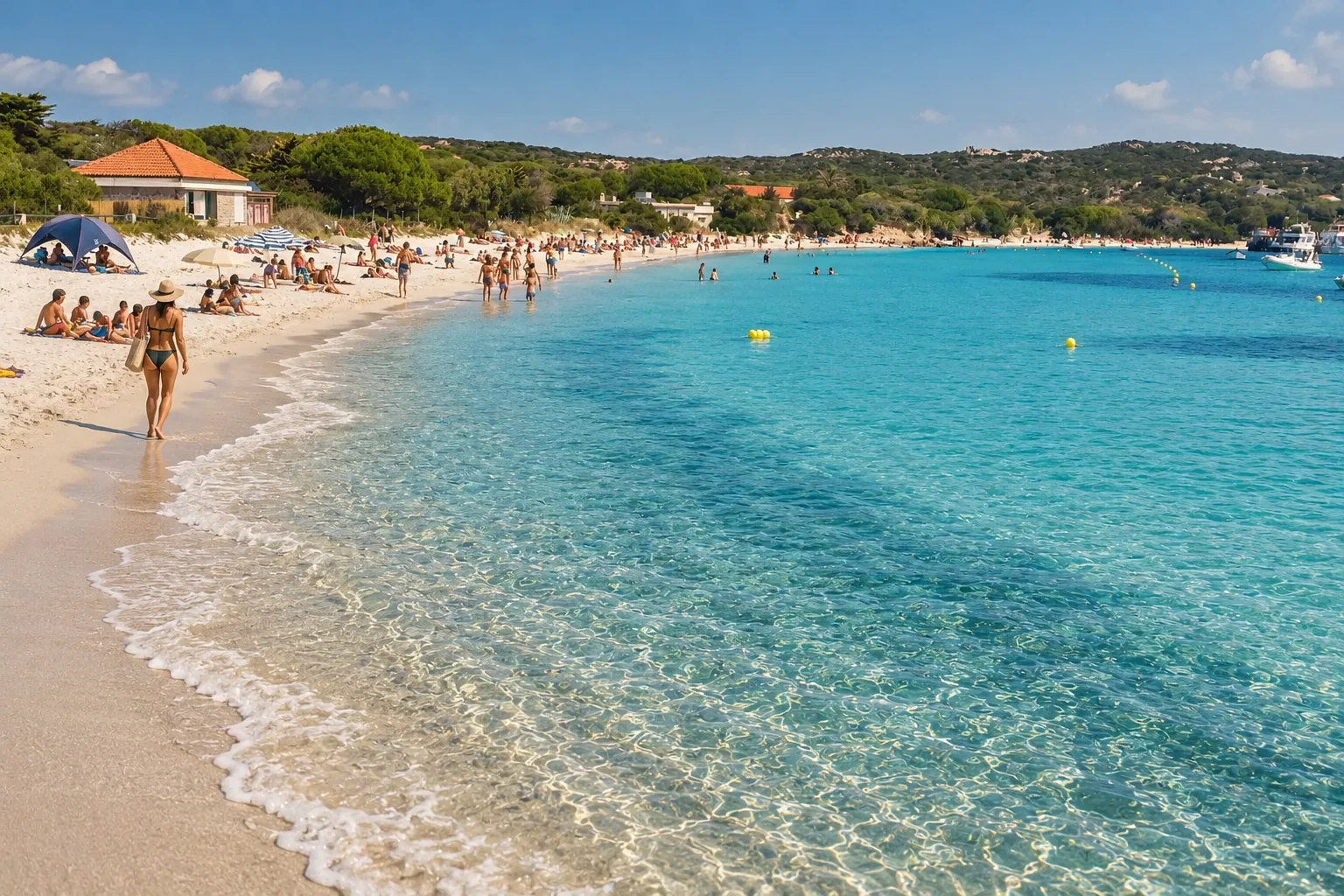 StintinoA former tuna-fishing village at Sardinia's northwestern tip, famous for La Pelosa beach. Its shallow turquoise lagoon shelves so gently it seems to glow, watched over by an Aragonese tower with the island of Asinara on the horizon.
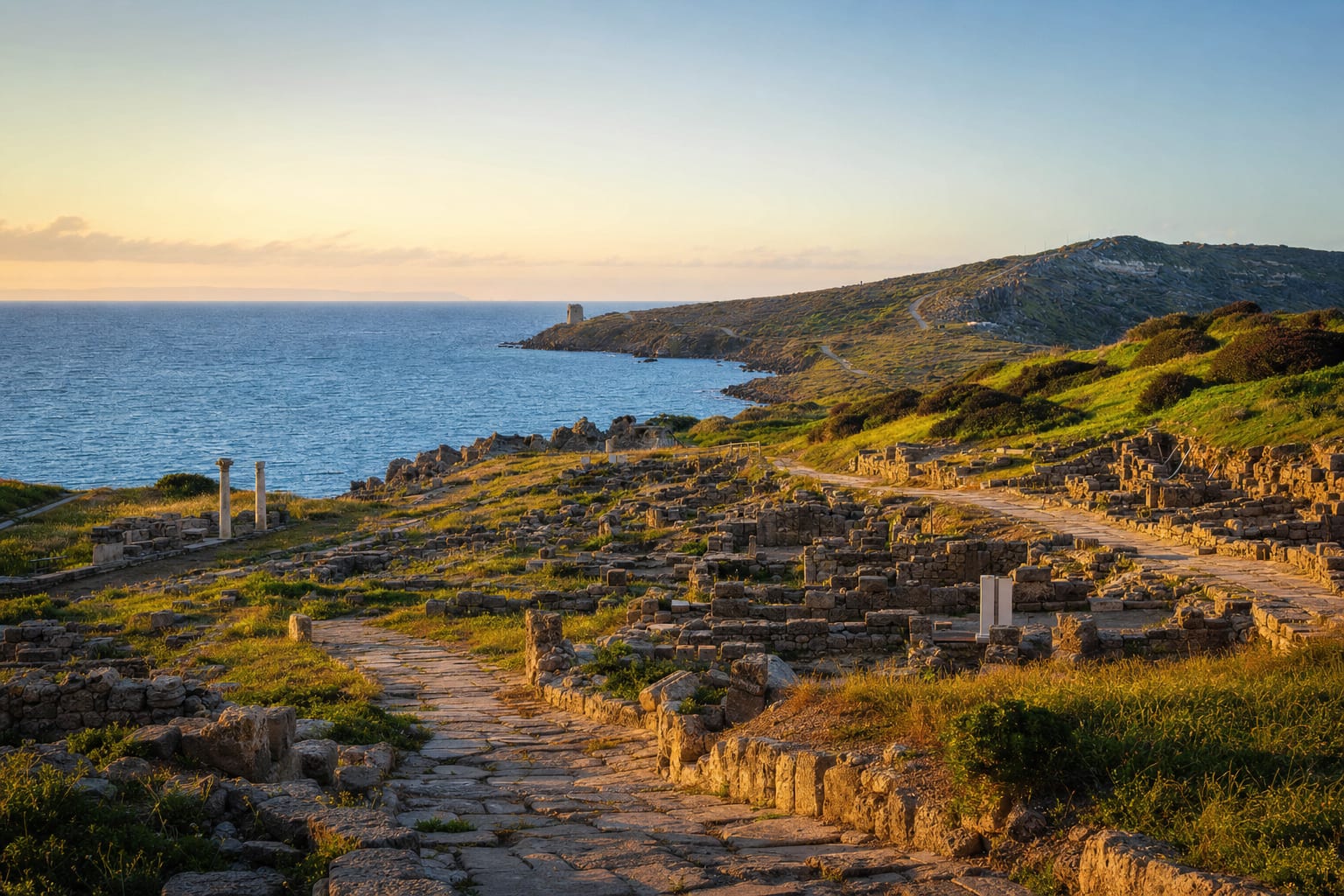 TharrosAn ancient Phoenician port on the windswept Sinis peninsula, later a Roman city. Twin Corinthian columns and a basalt main street stand among the ruins, watched over by the Spanish-era San Giovanni tower above the sea.