Plain white powdered sugar
- Base
- Sugar; products may include cornstarch
- Flavor
- No added flavoring in the plain version
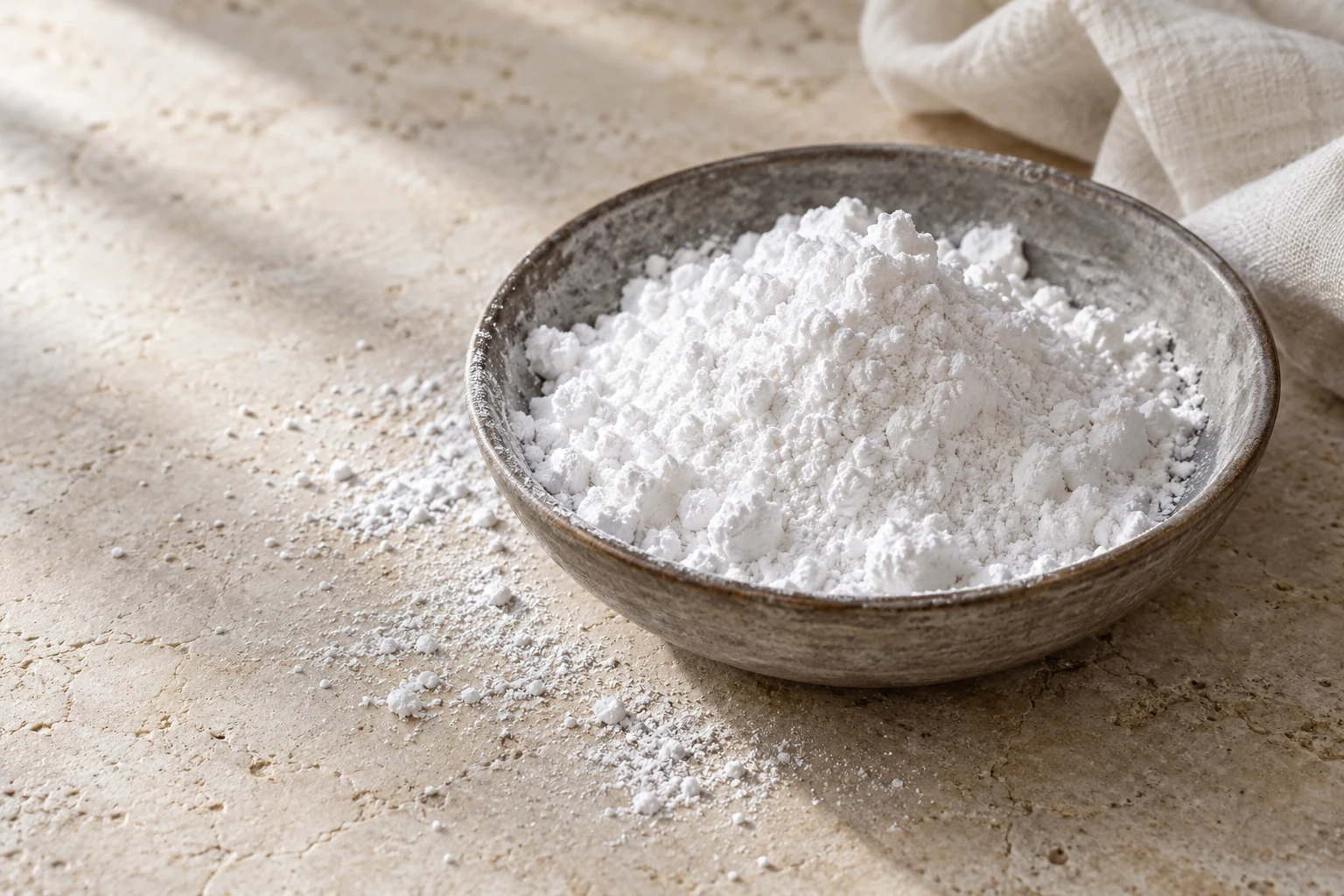
Powdered sugar is very fine sugar used both inside Italian pastry doughs and as a dusting or icing.
Powdered sugar · Italia Magnifica
Italian baking suppliers offer distinct versions. Their ingredient lists help you choose the color and flavor you want.
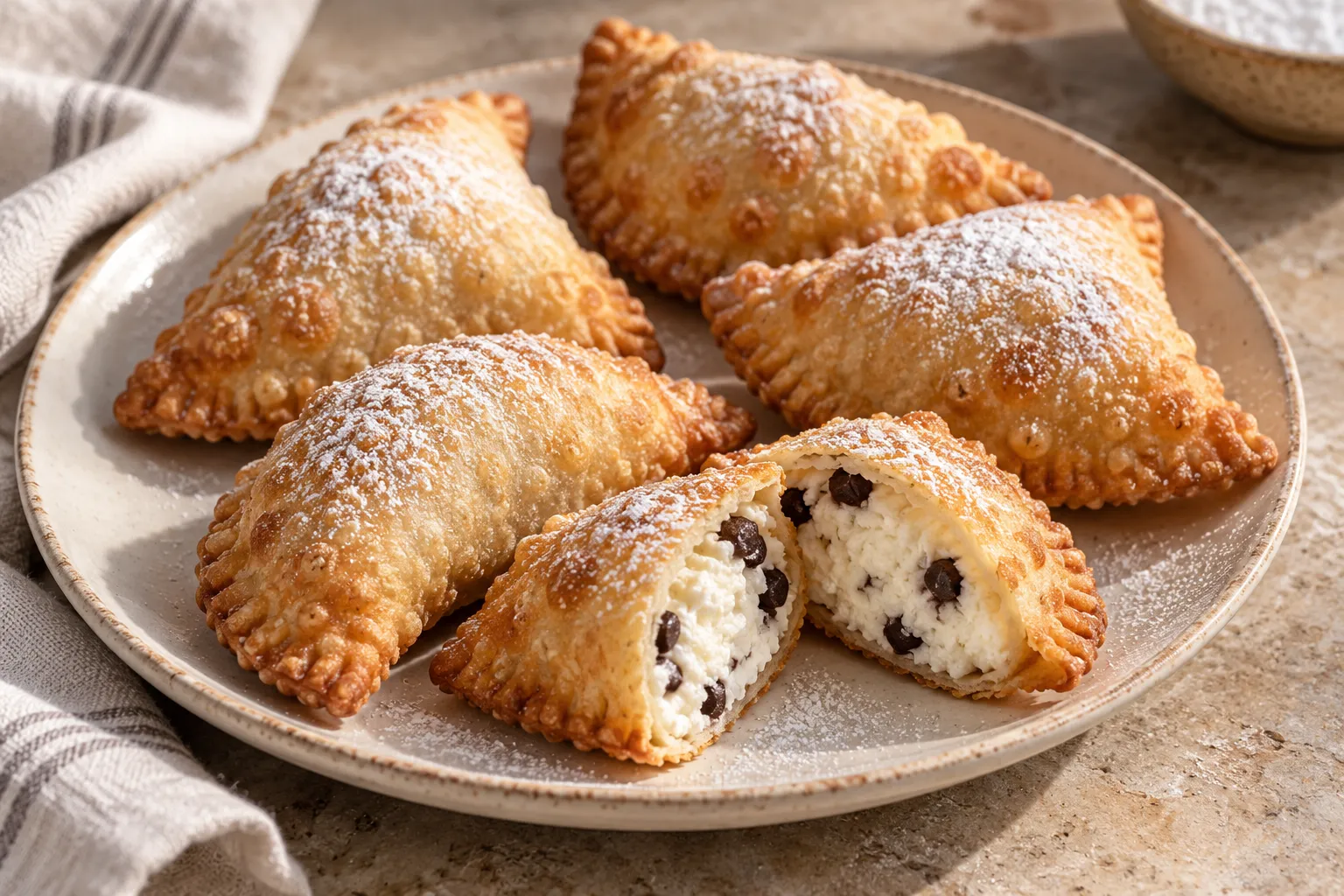
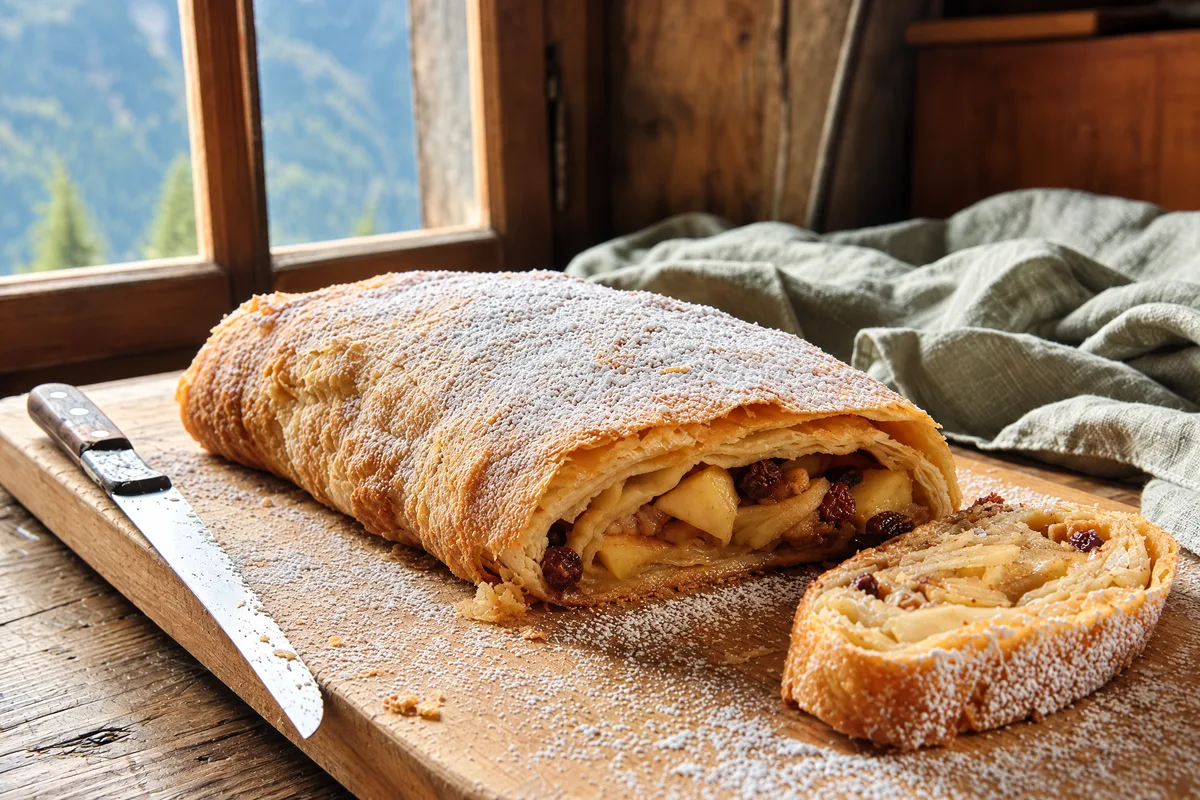
A white dusting is its most visible role, but powdered sugar is also a measured ingredient in Italian sweets.
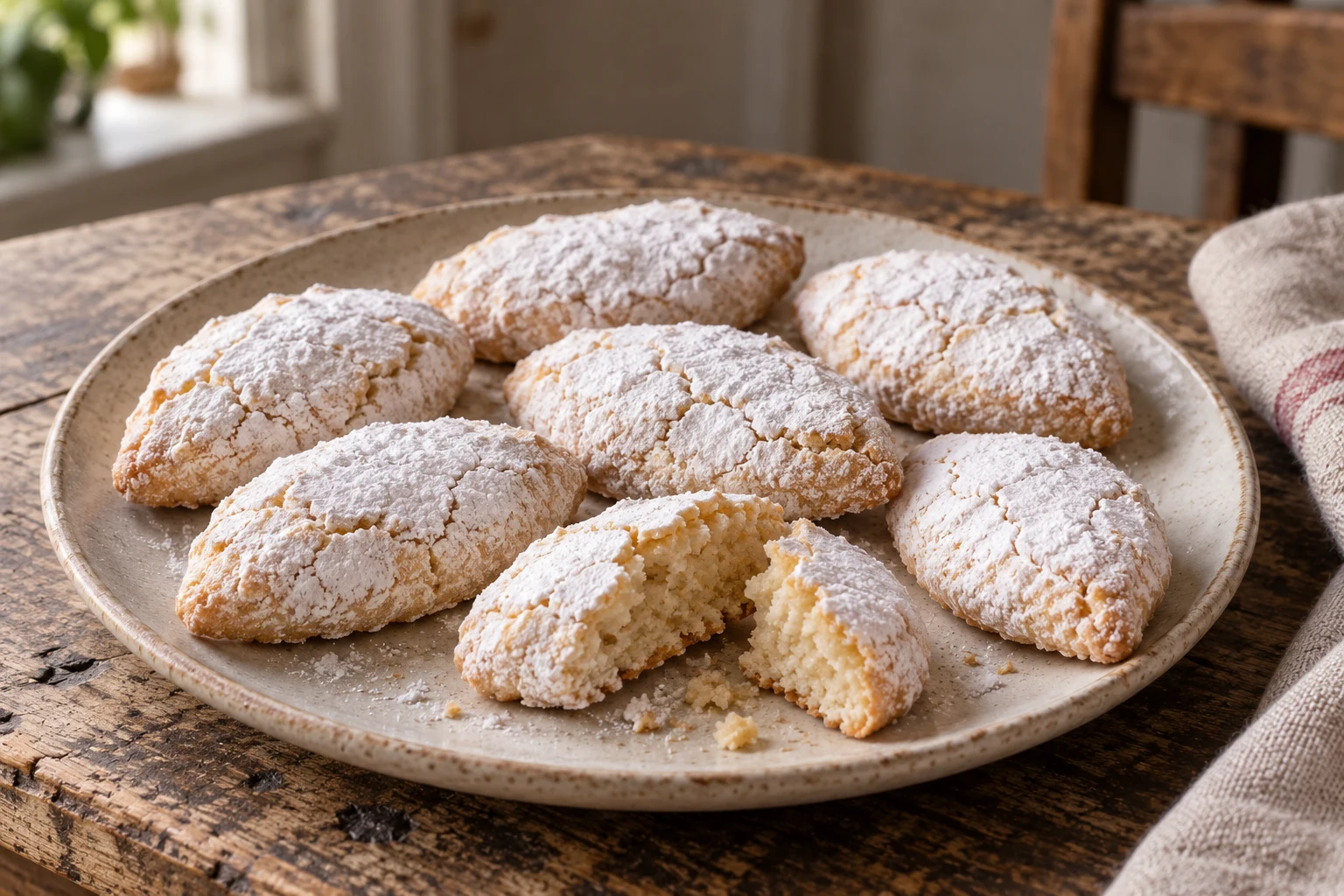
Ricciarelli show both uses in one cookie. Juls’ Kitchen’s recipe on Visit Tuscany mixes 200 g of powdered sugar into the almond-and-egg-white dough and reserves more for dusting. The coating goes on before the cookies are baked.
In Paneangeli’s Torta Paradiso, granulated sugar belongs to the batter while powdered sugar is listed separately for dusting. Marchesi 1824 also suggests a powdered-sugar finish for Amorpolenta. Those recipes make the distinction useful: sugar inside a sweet and sugar on its surface need not take the same form.
The powder’s fineness matters in pastry work. Professional sugar makers offer extra-fine grades for precise royal-icing decorations and for preparations such as cold creams.
The ingredient list matters just as much. Some Italian retail products combine sugar and cornstarch; flavored versions add an aroma. Read the formulation rather than assuming that every packet labeled powdered sugar is identical.
Use a small sieve to distribute powdered sugar evenly across a cake or cookie. Follow the recipe for when to add it: Ricciarelli can receive their coating before baking.
For royal icing, shortcrust pastry, meringues, creams or semifreddi, use the quantity and sugar type specified in the recipe. Powdered sugar is a baking ingredient as well as a decoration.
Look for added starch and flavoring in the ingredient list. A product called zucchero a velo can already include vanillin, even when the front name does not emphasize it. Our suggestion: choose an unflavored version when you want to control vanilla or other aromas separately.
Raw-cane powdered sugar can give a lightly amber finish rather than a white one. Choose with the intended decoration in mind, and check the packet’s allergen and cross-contact information.
Keep powdered sugar in a cool, dry place and follow the storage instructions and best-before date on the packet.
No. Italian baking recipes and manufacturers also use it in doughs, glazes, meringues and creams. In the Juls’ Kitchen Ricciarelli recipe it goes into the dough as well as onto the cookie.
It identifies a vanilla-scented version. Read the ingredient list: added flavoring is not the same ingredient as vanilla beans, and a product can include vanillin even when its main name simply says zucchero a velo.
No. The Juls’ Kitchen recipe coats them before baking. The Ricciarelli di Siena IGP specification also places the powdered-sugar coating before the oven; that specification applies to the protected cookie, not to every almond-cookie recipe.
The places, tables and makers we found worth your time. One email, no noise.
One letter a month. Unsubscribe at any time. We never share your address.