

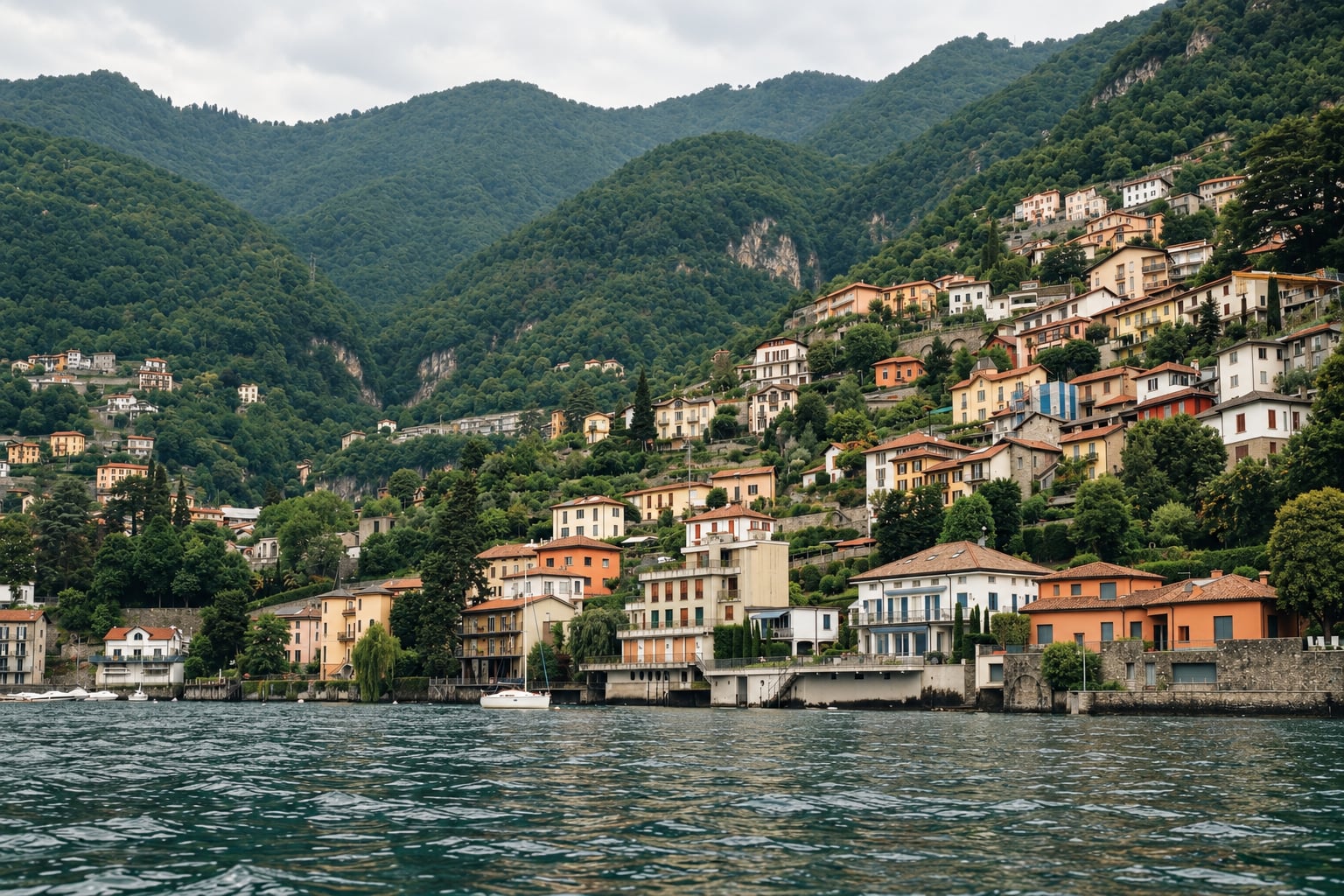
When to visit Lombardy
Typical climate in Milan, the regional capital.
Month by month
- Jan
- Cold winter weather with occasional rain. Layer up and bring a warm coat.
- Feb
- Still winter-like with cold temperatures. Expect some rainy days.
- Mar
- Spring begins with mild temperatures. Weather can be changeable.
- Apr
- Pleasant spring weather with blooming flowers. Light jacket recommended.
- May
- Warm late spring days. Perfect for outdoor activities.
- Jun
- Summer arrives with warm, sunny days. Stay hydrated.
- Jul
- Peak summer heat. Best enjoyed with coastal breezes or air conditioning.
- Aug
- Hot summer continues. Many locals take vacations.
- Sep
- Pleasant early autumn. Still warm enough for light clothing.
- Oct
- Autumn weather sets in. Bring layers for cool evenings.
- Nov
- Cool autumn weather with increasing rain. Light jacket essential.
- Dec
- Winter conditions return. Cold and occasionally rainy.
The short version
If you want one answer: come between late April and June, or in September and October. That is when Lombardy is at its best. The lakes (Como, Garda, Maggiore) are warm enough to enjoy, Milan is mild and walkable, the Valtellina mountains are green, and you dodge both the August heat and the worst of the crowds. Late April and May give you spring color and long evenings; September gives you warm lake water with fewer people; early October brings the wine harvest and the first cool, clear air after the summer haze.
Each season suits a different traveler. Spring and fall work for almost everyone: sightseers, lake lovers, food travelers, couples. Summer is for committed swimmers and families who do not mind heat and price spikes. Winter splits in two: the plains are gray, foggy, and quiet (fine for art and shopping, skip the lakes), while the mountains around Bormio and Livigno are in full ski season. One heads-up for 2026: those mountains host Winter Olympic events in February, which changes the math up there (more on that below).
Spring (March to May)
Spring is the region waking up, and it does so unevenly. Early March can still feel like winter in Milan, with damp gray days and highs around 12 to 14C (54 to 57F). By April things turn the corner: highs climb into the high teens and low 20s C (upper 60s to low 70s F), the lake gardens fill with camellias and azaleas, and the city feels alive again. May is genuinely lovely, with highs near 23 to 24C (73 to 75F) and long daylight, though it is also one of Milan's wettest months, so pack a light rain layer and expect the odd afternoon thunderstorm.
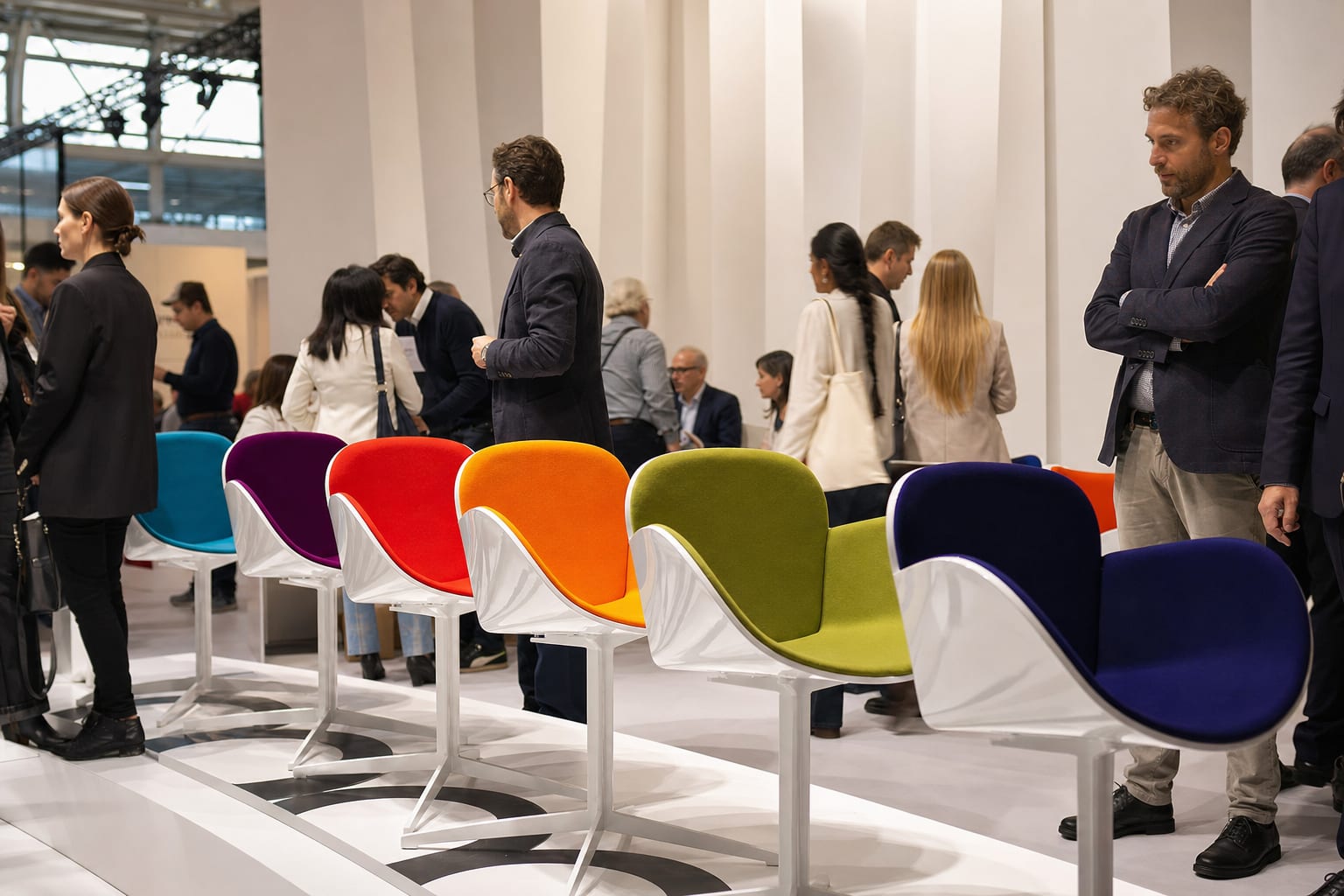
This is prime time for the lakes if you are there to look rather than swim. The water is still cold (around 12C / 54F, well under swimming comfort into May), so this is the season for boat trips, lakeside gardens like Villa Carlotta and Isola Bella, and hiking the lower trails before the summer haze sets in. One date to know: Milan's Salone del Mobile and the wider Design Week run in late April (April 20 to 26 in 2026), which is a blast if you love design but means hotels sell out across the city and prices jump. Book months ahead or plan around it.
Summer (June to August)
Summer is the only stretch when the lakes are warm enough for real swimming, and that is the whole appeal. From June through August the water on Como and Garda sits around 20 to 25C (68 to 77F), peaking in August, the lidos and beach clubs are open, and the long evenings are made for an aperitivo by the water. June is the sweet spot: warm but not yet brutal, with everything open and crowds still building. The mountains are at their best too, with the Valtellina and the high trails around Bormio finally clear of snow and ideal for hiking.
Milan in July and August is a different story, and an honest one: the city gets hot and muggy, with highs near 29 to 30C (84 to 86F), sticky air, and afternoon thunderstorms. Many Milanese leave, and a real chunk of shops, restaurants, and small businesses close in August, especially around Ferragosto (August 15). The lakes, by contrast, are packed and pricey in August, with Garda's southern shore particularly crowded. If summer is your only option, favor June, base yourself at the lakes rather than the city, and treat Milan as a quick stop.
Autumn (September to November)
September might be the single best month in Lombardy. The lake water is still warm (around 20 to 22C / 68 to 72F early in the month), the air is mild with highs in the mid-20s C (mid-70s F), and the crowds thin out the moment Italian schools go back. You get summer's pleasures without summer's crush or prices. Early October keeps much of that warmth and adds the grape harvest, with Franciacorta's sparkling-wine country and the Valtellina's terraced vineyards at their most beautiful.
The mood shifts as the season goes on. Late October cools noticeably, lake swimming ends, and the gardens start to close for the winter. November is the region's grayest stretch, with frequent rain, shortening days, and fog creeping back onto the plains. It is a poor month for the lakes but a fine one for Milan's museums, churches, and food, and for landing hotel deals before the December holiday rush.
Winter (December to February)
Winter in Lombardy is really two regions. Down on the plains, including Milan, it is cold, damp, and often foggy, with highs around 7 to 9C (45 to 48F), lows near or below freezing, and some of the highest humidity of the year. The famous Po Valley fog can settle in for days, especially in December and January. None of that ruins a city trip: Milan in winter is about the Duomo, La Scala, the Galleria, world-class shopping, and warming food like risotto alla milanese and ossobuco. The Christmas season is a real highlight, anchored by the feast of Sant'Ambrogio (December 7) and the Oh Bej! Oh Bej! market by the Castello Sforzesco the same week.
Up in the mountains it is peak season, and a good one. The Alta Valtellina resorts (Bormio, Livigno) typically run from late November or early December into April, with reliable snow at altitude, long runs, and Livigno's duty-free shopping as a bonus. There is one big exception for 2026: Bormio and Livigno host Winter Olympic events from February 6 to 22, with Bormio's Stelvio runs closed to the public during the men's alpine races (roughly the first half of February) and Livigno staging the freestyle and snowboard events. Expect crowds, road controls, and sky-high prices around the Games, and either plan a trip built around them or steer clear of those weeks. Whenever you come in winter, decide what you are here for, ski the mountains or do art and shopping in the city, but do not expect the lakes to deliver much, since many lakeside towns go quiet and a lot of hotels and restaurants shut until spring.
Weather, by the part of Lombardy
Lombardy is not one climate but three, stacked from the flat south to the high north. The plains (Milan, Pavia, the Po Valley farmland) have a continental climate: hot, muggy summers and cold, damp, foggy winters, with rainfall peaking in spring and autumn. This is where the August heat and the January fog are worst. The lakes (Como, Garda, Maggiore, Iseo) sit in their own gentler pocket: the deep water moderates temperatures year-round, keeping winters milder and summers a touch fresher than the city, which is exactly why nineteenth-century travelers built villas there. Garda is the mildest of the lakes, warm enough that olives and lemons grow on its shores.
The mountains (the Valtellina, the Orobie Alps, the high valleys above the lakes) follow their own calendar entirely. Up high, summer is short and cool and perfect for hiking, while winter is long and snowy and built for skiing. The practical takeaway: pick your base for the experience you want, and check the elevation, because a warm June day in Milan can mean snow still lingering on the high passes a couple of hours north.
Insider timing
The shoulder weeks to target are mid-to-late May, the first three weeks of June, and the stretch from early September to mid-October. Those give you the best balance of warm weather, open everything, and manageable crowds. For the lakes specifically, the second week of September is a quiet sweet spot: the water is still warm, but the August families are gone and prices have softened.
What to avoid: August, and Ferragosto (August 15) above all, when Milan half-shuts and the lakes hit peak crowds and prices. Skip Design Week in late April unless that is why you are coming, since the whole city books out and rates spike. Avoid November for the lakes (rain, fog, closures), and do not expect summer in March, which still leans wintry. Two timing notes specific to 2026: the Winter Olympics (February 6 to 22) will swamp Bormio, Livigno, and parts of Milan, so book very early if you want in or pick different dates entirely; and for normal ski conditions in the Valtellina, late January through March is your reliable window outside the Olympic disruption. A few last tips: build in a flexible day for the plains, since fog and rain can flatten a winter or late-autumn city visit; if you want both a city and a lake, do the city first and end on the water.