

When to visit Emilia-Romagna
Typical climate in Bologna, the regional capital.
Month by month
- Jan
- Cold winter weather with occasional rain. Layer up and bring a warm coat.
- Feb
- Still winter-like with cold temperatures. Expect some rainy days.
- Mar
- Spring begins with mild temperatures. Weather can be changeable.
- Apr
- Pleasant spring weather with blooming flowers. Light jacket recommended.
- May
- Warm late spring days. Perfect for outdoor activities.
- Jun
- Summer arrives with warm, sunny days. Stay hydrated.
- Jul
- Peak summer heat. Best enjoyed with coastal breezes or air conditioning.
- Aug
- Hot summer continues. Many locals take vacations.
- Sep
- Pleasant early autumn. Still warm enough for light clothing.
- Oct
- Autumn weather sets in. Bring layers for cool evenings.
- Nov
- Cool autumn weather with increasing rain. Light jacket essential.
- Dec
- Winter conditions return. Cold and occasionally rainy.
The short version
Aim for April to June or September to October. These are the months that get Emilia-Romagna right: comfortable temperatures, the porticoes of Bologna without the worst of the crowds, hill towns that are green and walkable, and a food calendar that peaks in autumn with truffle and porcini festivals. Spring gives you wildflowers and Easter energy; early fall gives you the harvest, warm-but-not-hot days, and an Adriatic that's still swimmable into early October.
Summer suits one kind of trip: a beach holiday on the Rimini riviera, where the sea climbs past 26C in August and the boardwalk never sleeps. But inland it gets hot and muggy (the Po plain traps the heat), and around mid-August the cities empty out as locals head to the coast. Winter is the honest budget season: foggy, cold, quiet, with Christmas markets and the lowest prices of the year, best if you're here to eat, see Ravenna's mosaics, and skip the lines.
Spring (March to May)
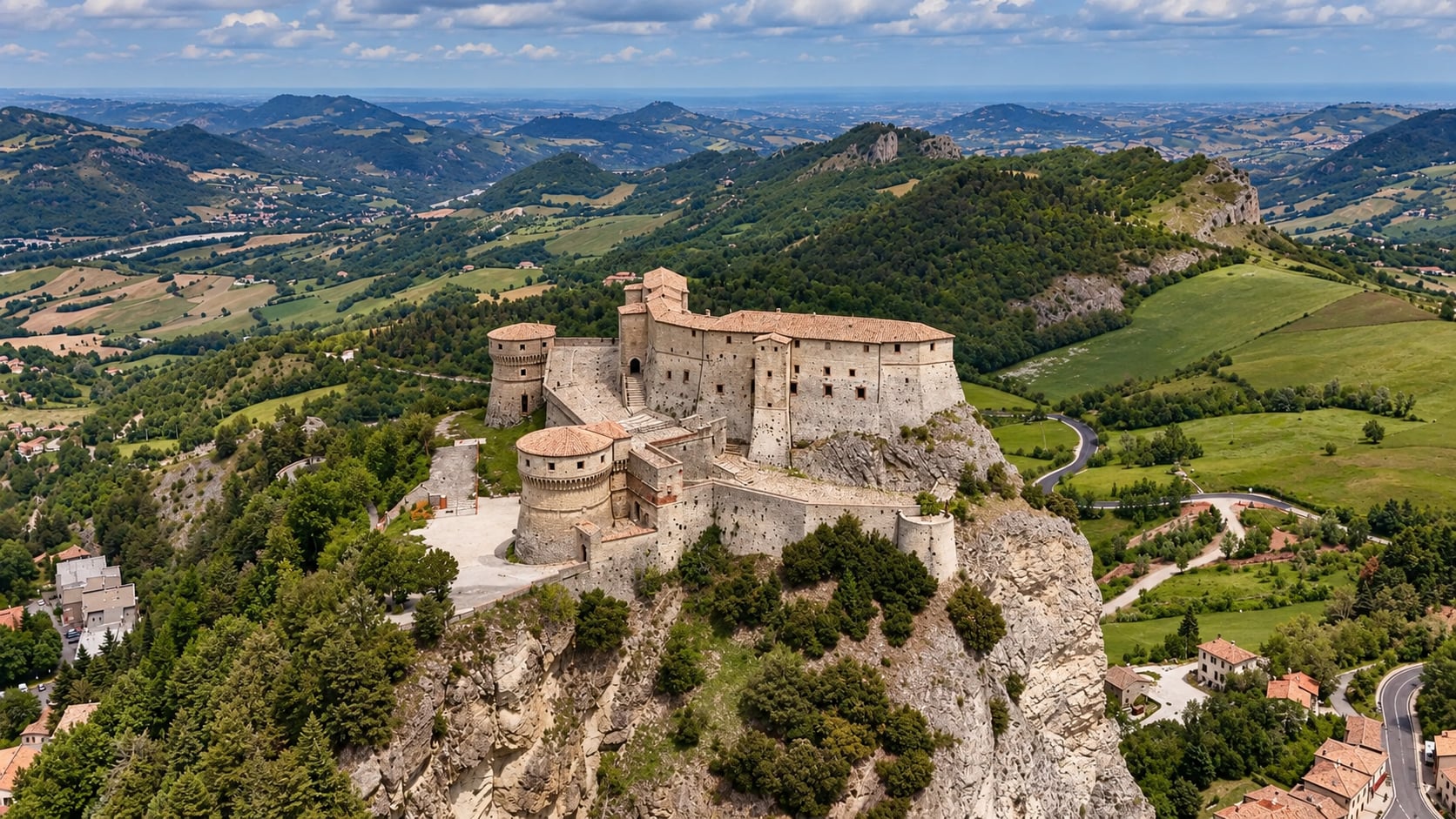
Spring is one of the two sweet spots, and it builds fast. March can still be raw and damp, with morning fog lingering over the plain and highs in the low teens Celsius (50s F), so pack layers and treat it as a shoulder of a shoulder. By April things turn properly pleasant: highs climb into the high teens and low 20s C (upper 60s to low 70s F), the Apennine foothills go green, and Bologna's outdoor cafe tables fill up. May is arguably the single best month of the year here, warm and bright without the summer mugginess, and the days are long enough to wander Modena, Parma, and Ferrara at an easy pace.
This is a great time for the cities and the hills rather than the sea (the Adriatic is still cool, around 16 to 18C, fine for a paddle but chilly for a real swim). Easter brings processions and a busy long weekend, and May 1 is a national holiday when some shops and family-run trattorias close, so check ahead. Rain is part of the deal in spring, usually passing showers rather than washouts, but an umbrella earns its place in your bag.
Summer (June to August)
Summer is the coast's season and, inland, the season to be a little strategic. June is lovely, with warm days and the sea warming past 22C, though the riviera fills up fast once the schools break. July and August are hot: Bologna and the inland cities regularly hit 31 to 33C (88 to 91F), and because this is the Po valley, the humidity makes it feel heavier and muggier than the numbers suggest. The riviera, by contrast, is in full swing, with the Adriatic at its warmest (around 26 to 27C in August) and the beach clubs running from breakfast to midnight.
Two things to plan around. First, the Notte Rosa (Pink Night) now lands in late June, around the summer solstice rather than its old July slot, a huge all-night party with concerts and fireworks running the length of the coast from the Comacchio lidos down past Rimini, fun if you want it, packed if you don't. Second, mid-August around Ferragosto (August 15) is when Italians take their own holidays: the coast is jammed and expensive, while many city restaurants, shops, and small businesses simply close for a week or two. If you're here for Bologna or the food towns, August is the weakest month; if you want sun and sea, June and early July are the smarter picks.
Autumn (September to October)
For a food-focused trip, autumn is the best time of all. September keeps summer's warmth without the crush: city highs settle into the mid-20s C (mid-70s F), the light turns golden, and the sea stays warm enough to swim into early October (still around 23 to 24C through September, easing toward the low 20s by early October). The crowds thin out after Ferragosto, prices ease off, and the hill towns are at their prettiest as the vineyards turn.
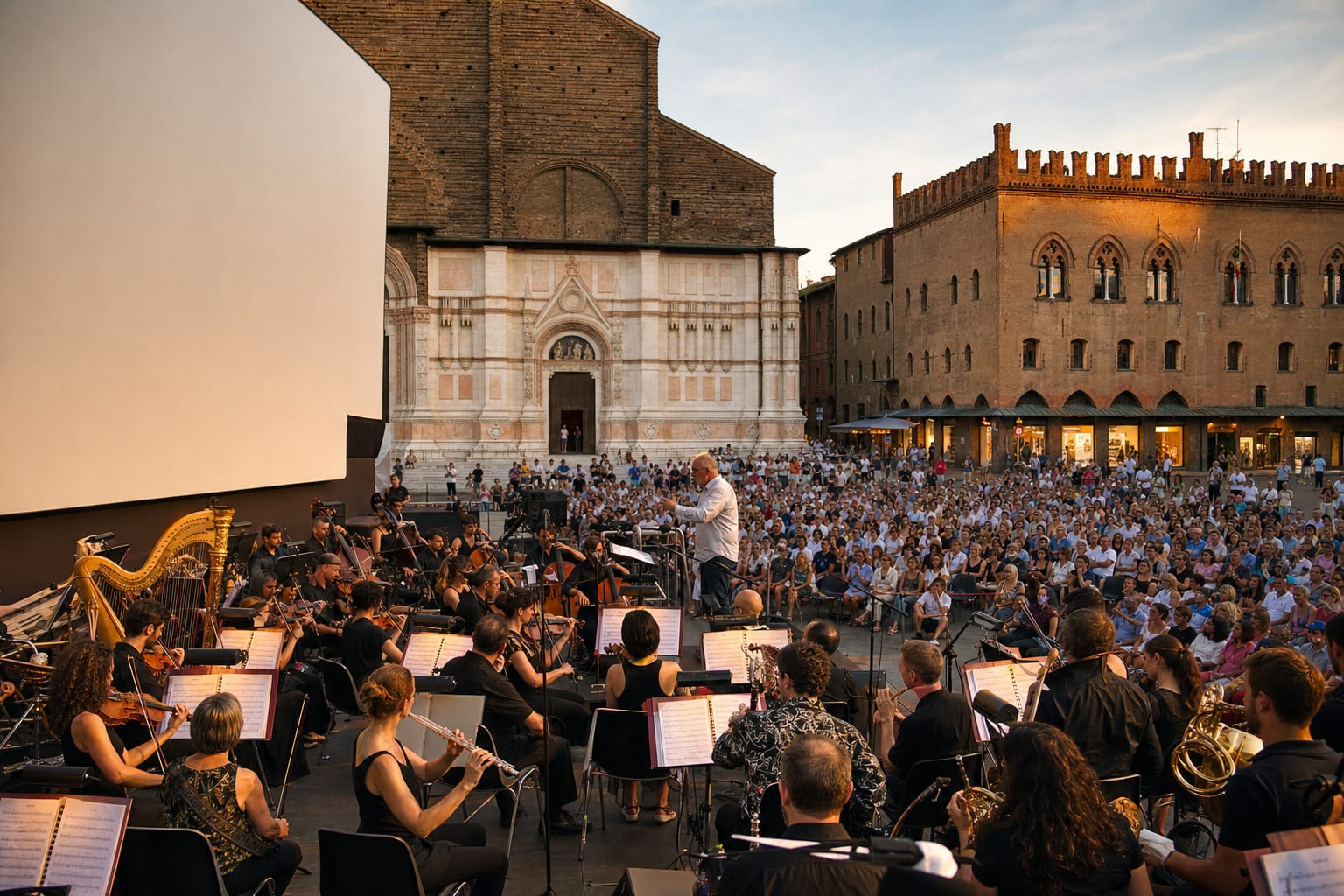
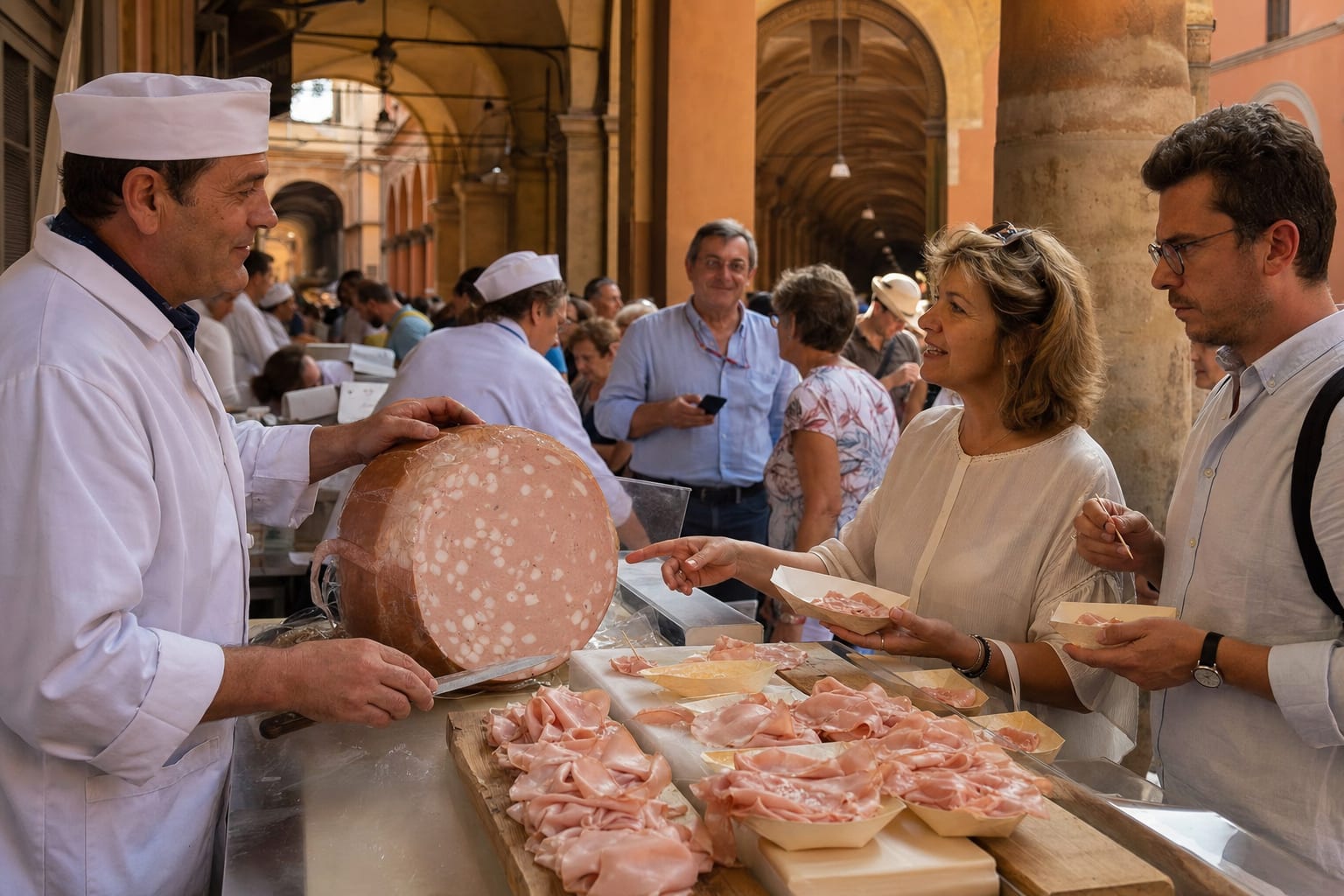
October is when Emilia-Romagna's calendar truly earns its reputation. The Apennine foothills fill with festivals: Tartufesta weekends across the Bolognese hills (running from mid-October into early November) celebrate the local white truffle, the Albareto fair near Parma honors porcini mushrooms in early October, Modena's Piazza Grande hosts the La Bonissima food market, and Zola Predosa just outside Bologna throws a festival for mortadella. This is the harvest, the new olive oil, the season the whole region is built for. Pack a light jacket for cooler evenings and the odd rainy day, but the payoff is the best eating and the best atmosphere of the year.
Winter (December to February)
Winter here is genuinely cold and damp, not the mild Mediterranean idea some travelers expect. Po valley fog is a real feature: it can settle over Bologna, Modena, and the plains for days, with highs hovering near 5 to 8C (low to mid 40s F) and grey skies. Snow falls a few times a year in the cities (more in the western plains around Piacenza and Parma) and regularly up in the Apennines, where there's modest skiing around Corno alle Scale and the Mount Cimone area.
The upside is that this is the quiet, cheap, local season. Bologna's porticoes are made for rainy days, Ravenna's mosaics glow regardless of weather, and the food turns hearty: tortellini in brodo, bollito, rich ragu. Christmas markets and lights run through the holidays, and you'll have the museums and trattorias mostly to yourself. The coast, though, effectively shuts down, with most beach towns boarded up until spring, so save the riviera for warmer months and keep winter for the cities and the table.
Weather, by the part of Emilia-Romagna
The region splits into three very different climates. The Po plain (Bologna, Modena, Parma, Reggio Emilia, Ferrara) has a semi-continental climate: cold, foggy, damp winters and hot, muggy summers, with the flat basin trapping both the heat and the haze. This is where you feel the extremes most, so it rewards spring and autumn visits. Ferrara and the western plains see the most fog; the cities strung along the via Emilia all behave similarly.
The Adriatic coast (Rimini, Riccione, Cervia, Cesenatico, the Comacchio lidos) is milder and breezier, moderated by the sea: summers are hot but a touch fresher than inland, winters are less harsh, and the swimming window runs roughly June through early October. Inland and to the south, the Apennines rise toward Tuscany: cooler year-round, green and comfortable in summer when the plain is sweltering, and properly wintry with snow from November into March. If August heat in Bologna sounds rough, the hills are your escape hatch.
Insider timing
The weeks to target are mid-April through May and mid-September through October. Late May and the second half of September are the bullseye: warm, uncrowded, fully open, and cheaper than peak. For the food festivals, build your trip around October weekends, when the Apennine towns run back-to-back truffle, porcini, and chestnut fairs, and book accommodation early because these draw day-trippers from all over the region.
What to avoid: the week around Ferragosto (August 15), when inland cities partly shut down and the coast is at its most crowded and pricey, and the Notte Rosa weekend in late June if a packed all-night beach party isn't your thing (book well ahead if it is). One small but useful habit anywhere in Italy: many restaurants and shops close on Sunday evenings and Mondays, and family trattorias take their own holiday weeks, so for a serious eating trip, check opening days and reserve the big-name places before you arrive.