Every city in Abruzzo
From the capital to the smallest borghi.
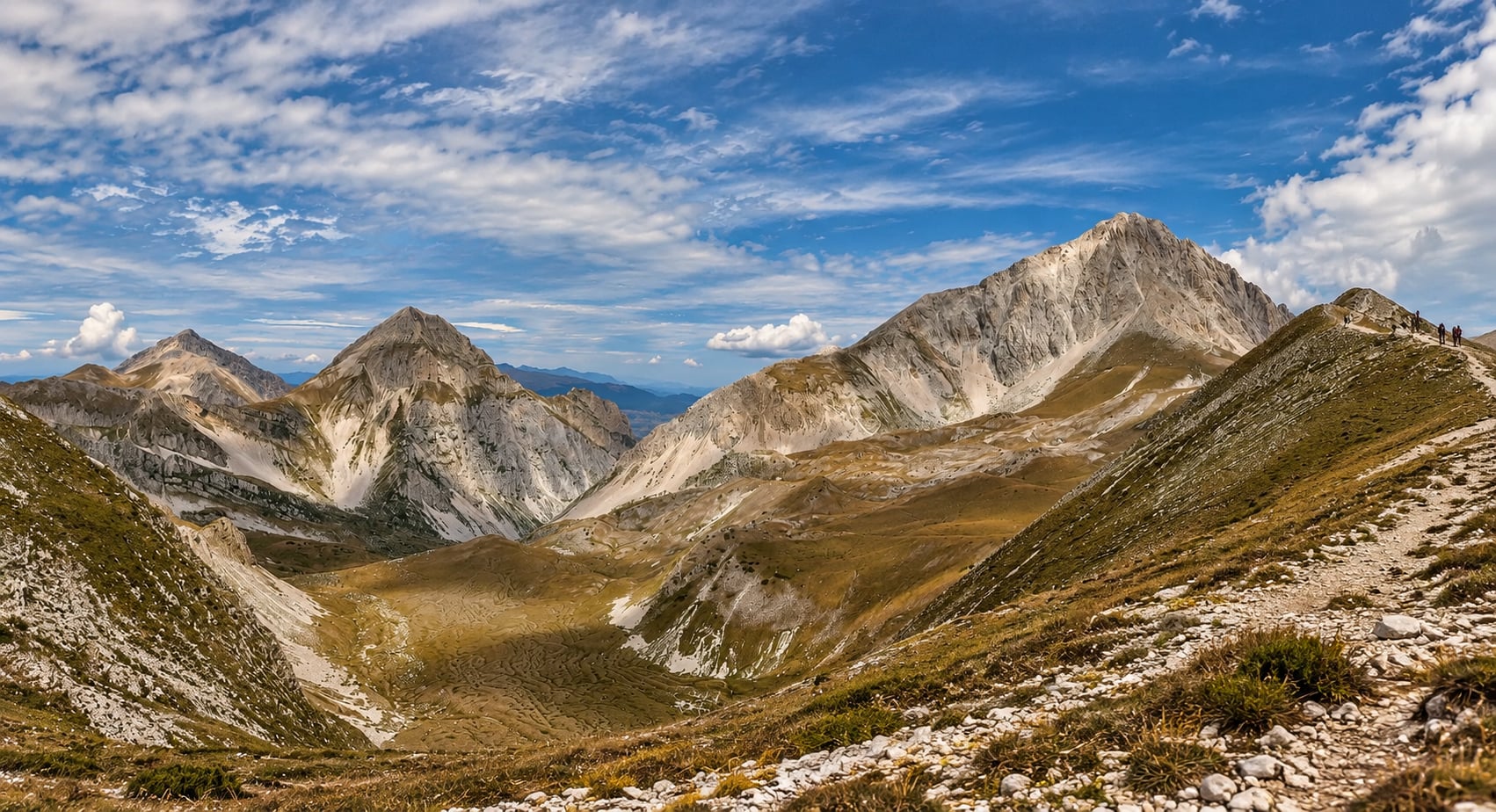
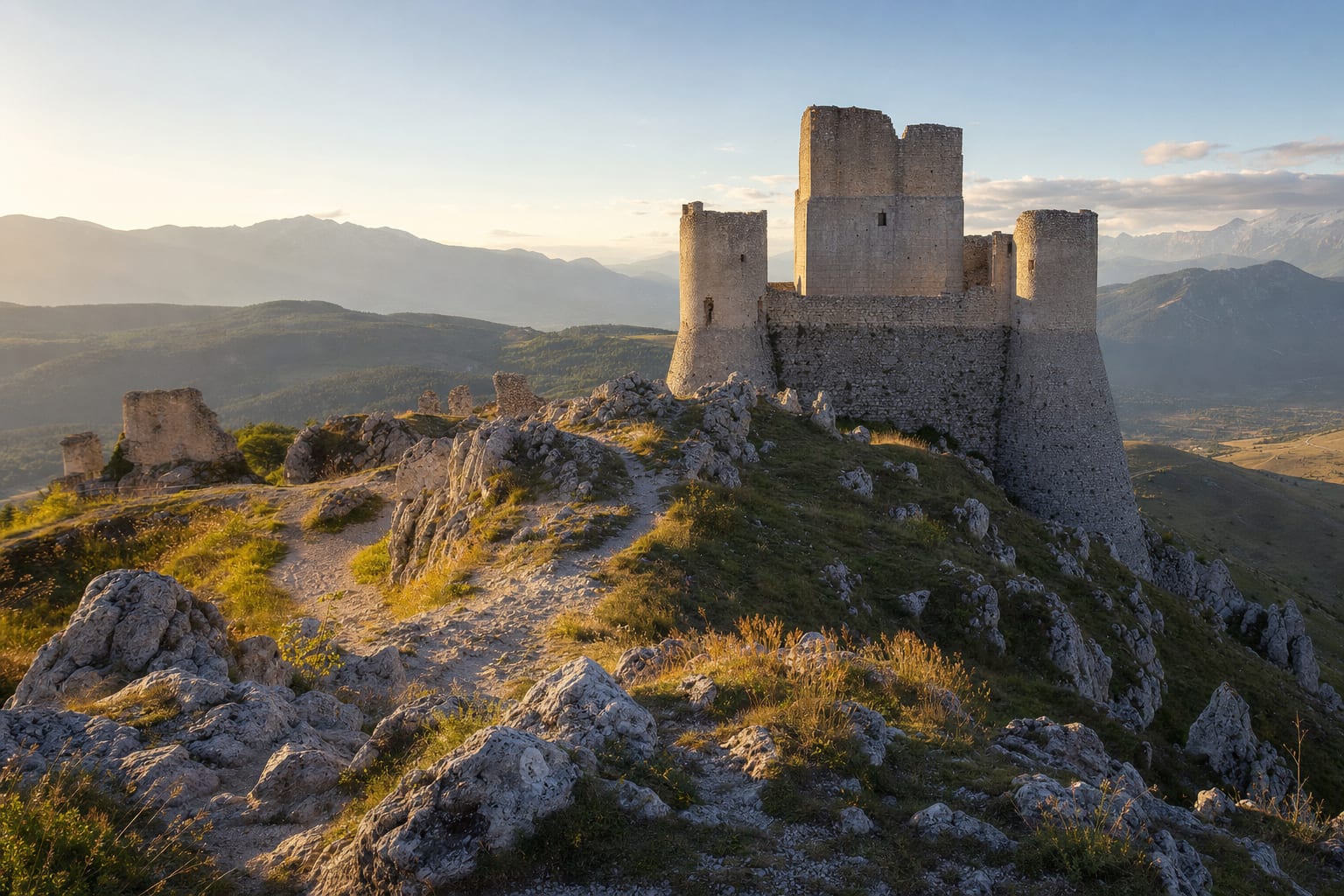 CalascioAbove this tiny village stands Rocca Calascio, one of Italy's highest fortresses at 1,460 metres, its ruined towers and the lonely octagonal chapel of Santa Maria della Pieta surveying the Gran Sasso. The film Ladyhawke was shot among its stones.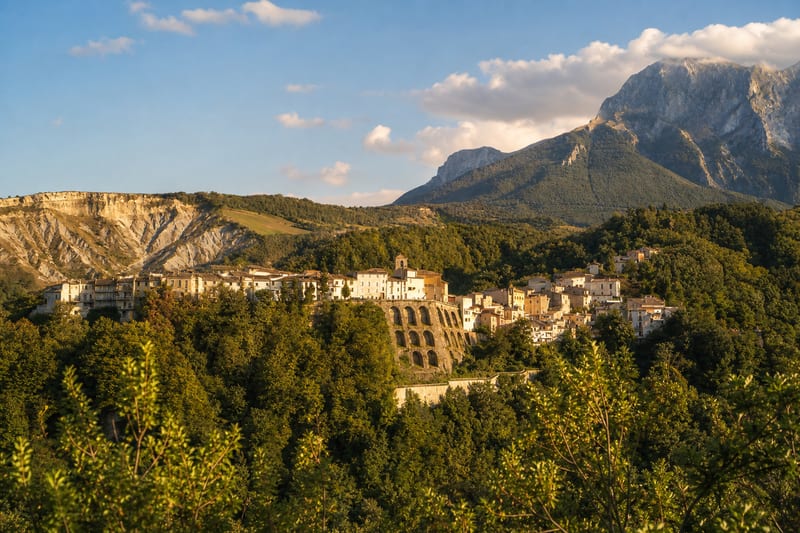
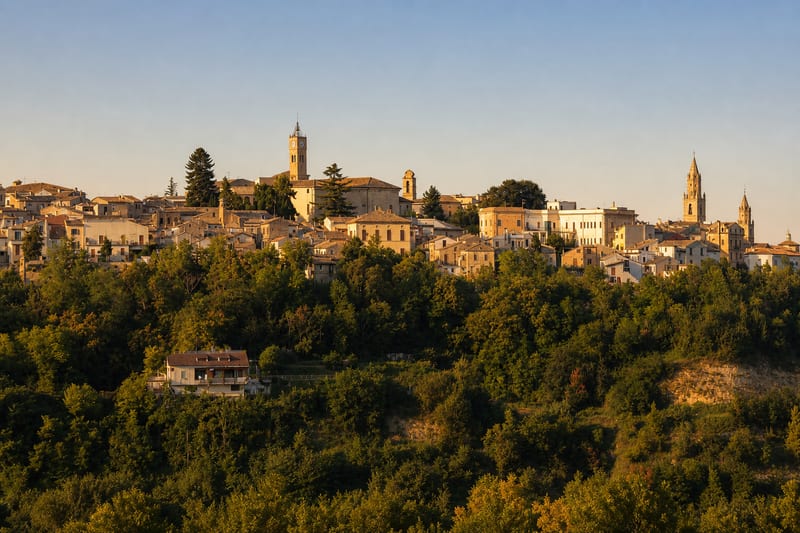
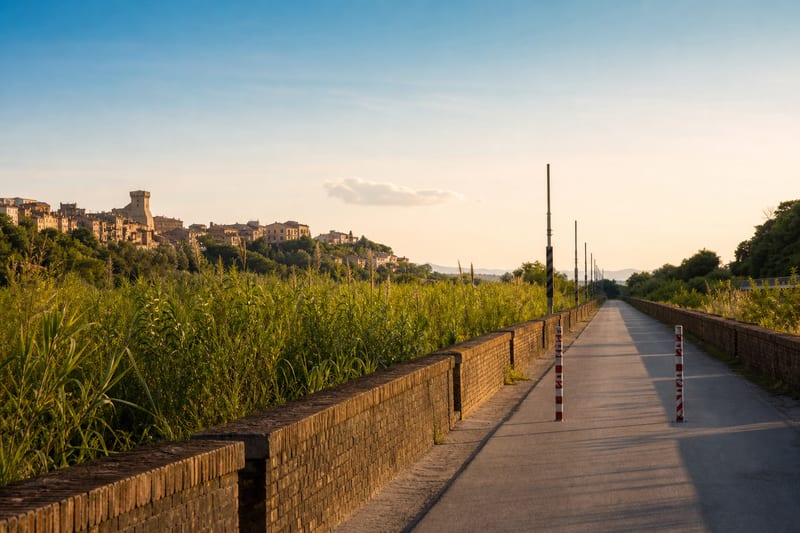
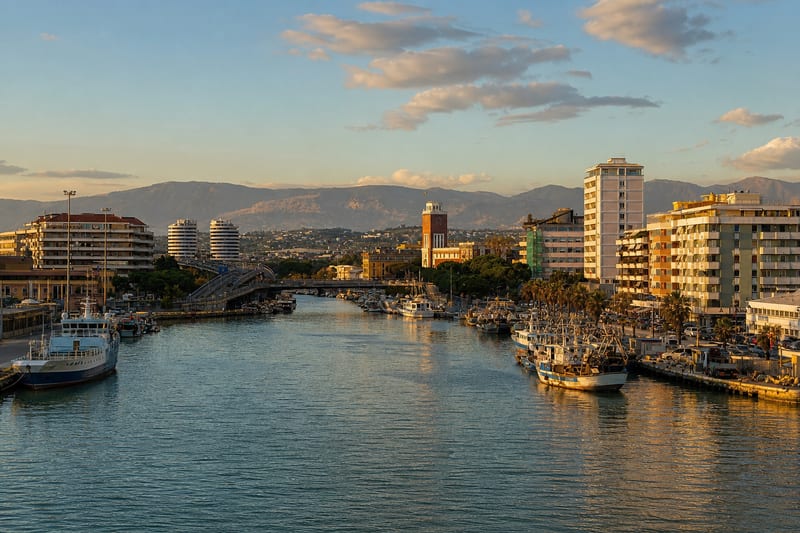
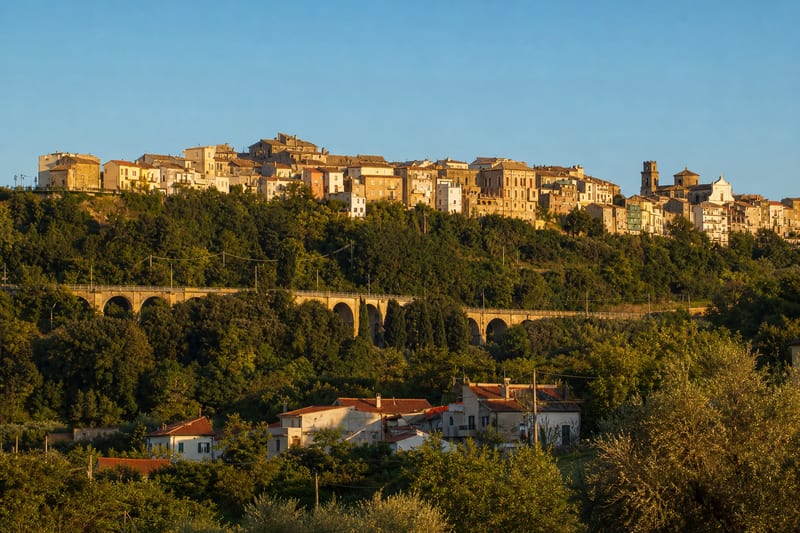
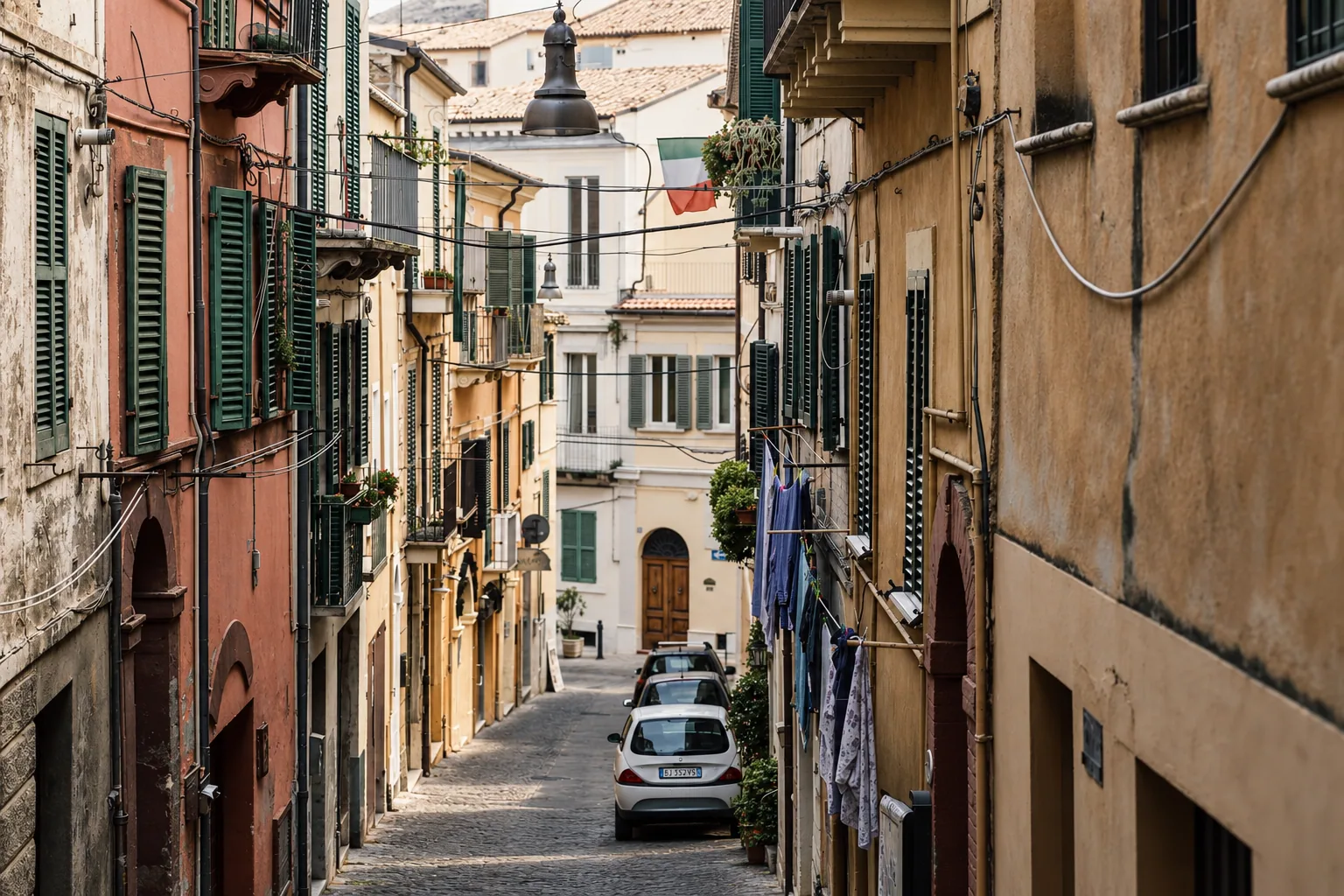 ChietiOne of Italy's oldest cities, spread along a ridge above the Pescara valley, Chieti is best known for the National Archaeological Museum of Abruzzo, whose Villa Frigerj rooms hold the Warrior of Capestrano, a sixth-century-BC funerary colossus in his wide disk helmet.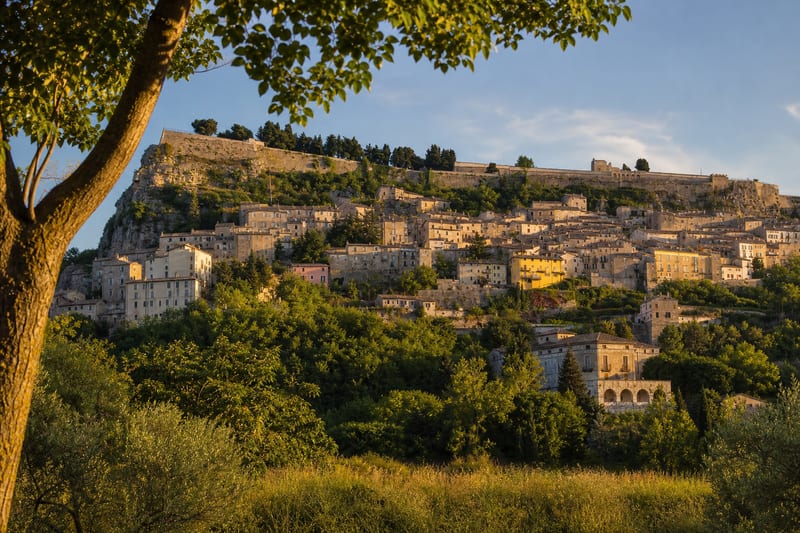
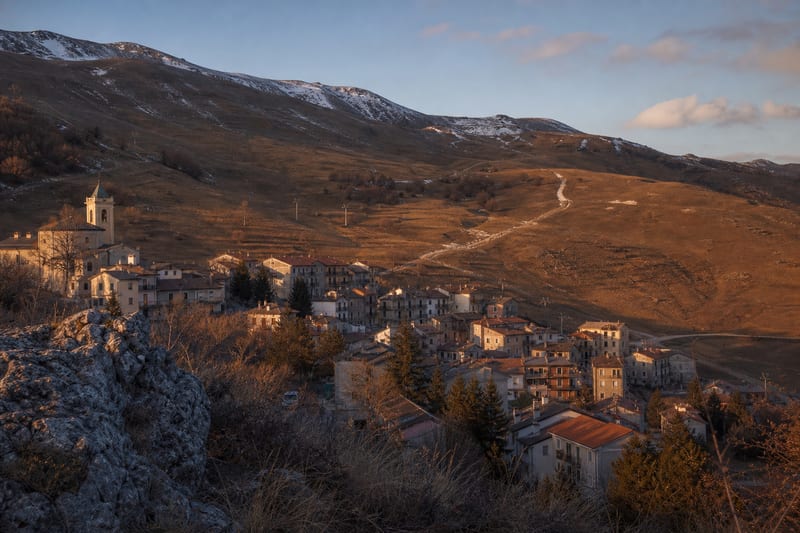
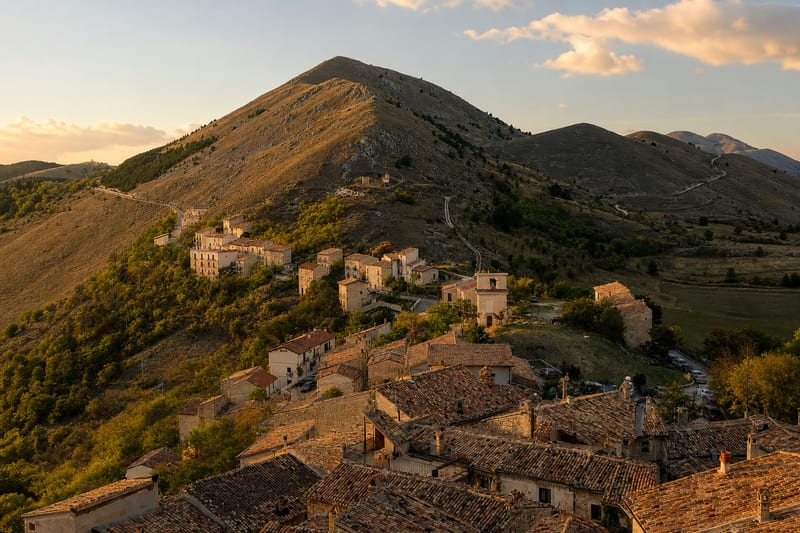
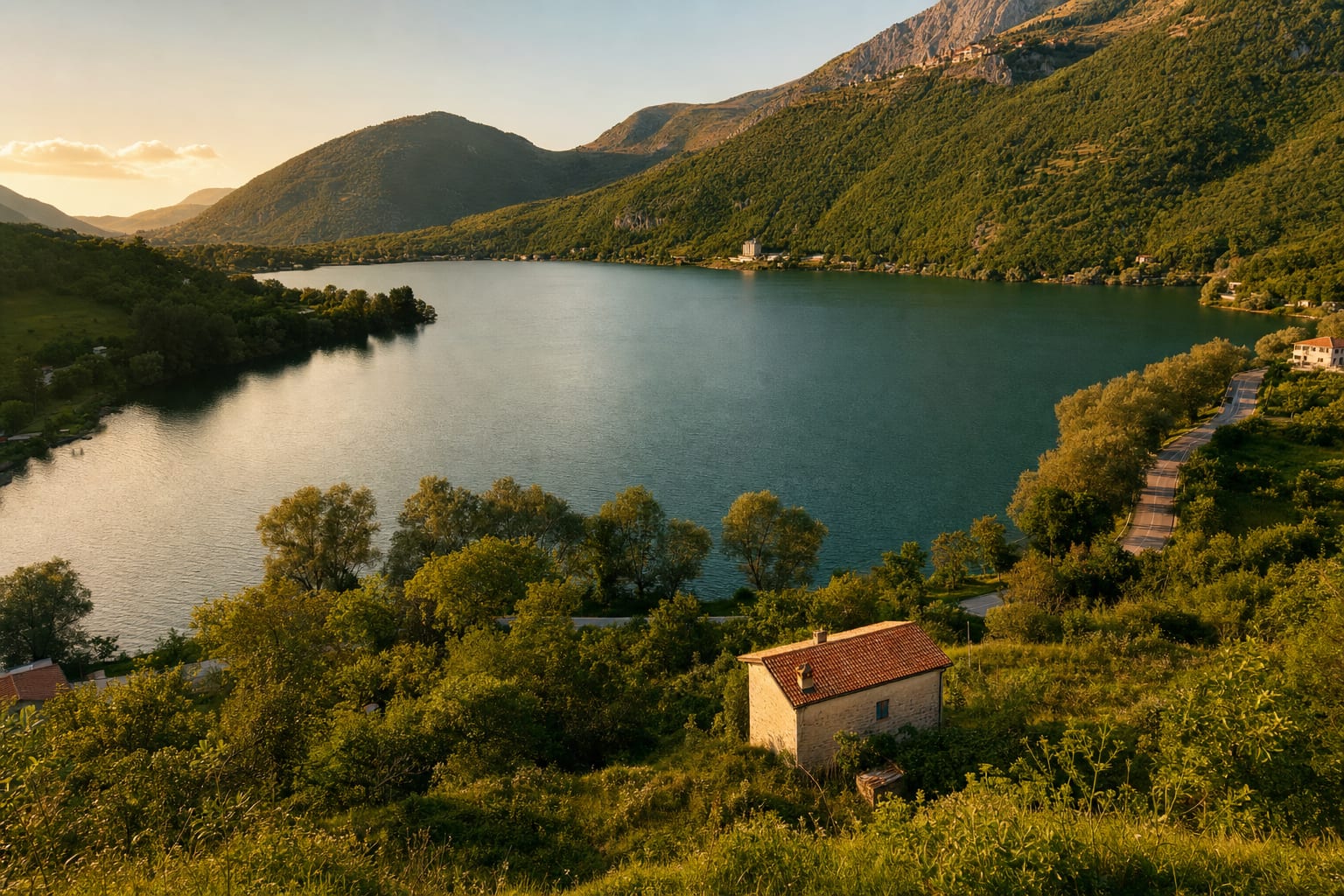 ScannoReached through the narrow Sagittario gorges, this medieval village looks down on Lake Scanno, a heart-shaped basin born of an ancient landslide. The lanes are famous too for the elaborate traditional dress still worn by some of the women.
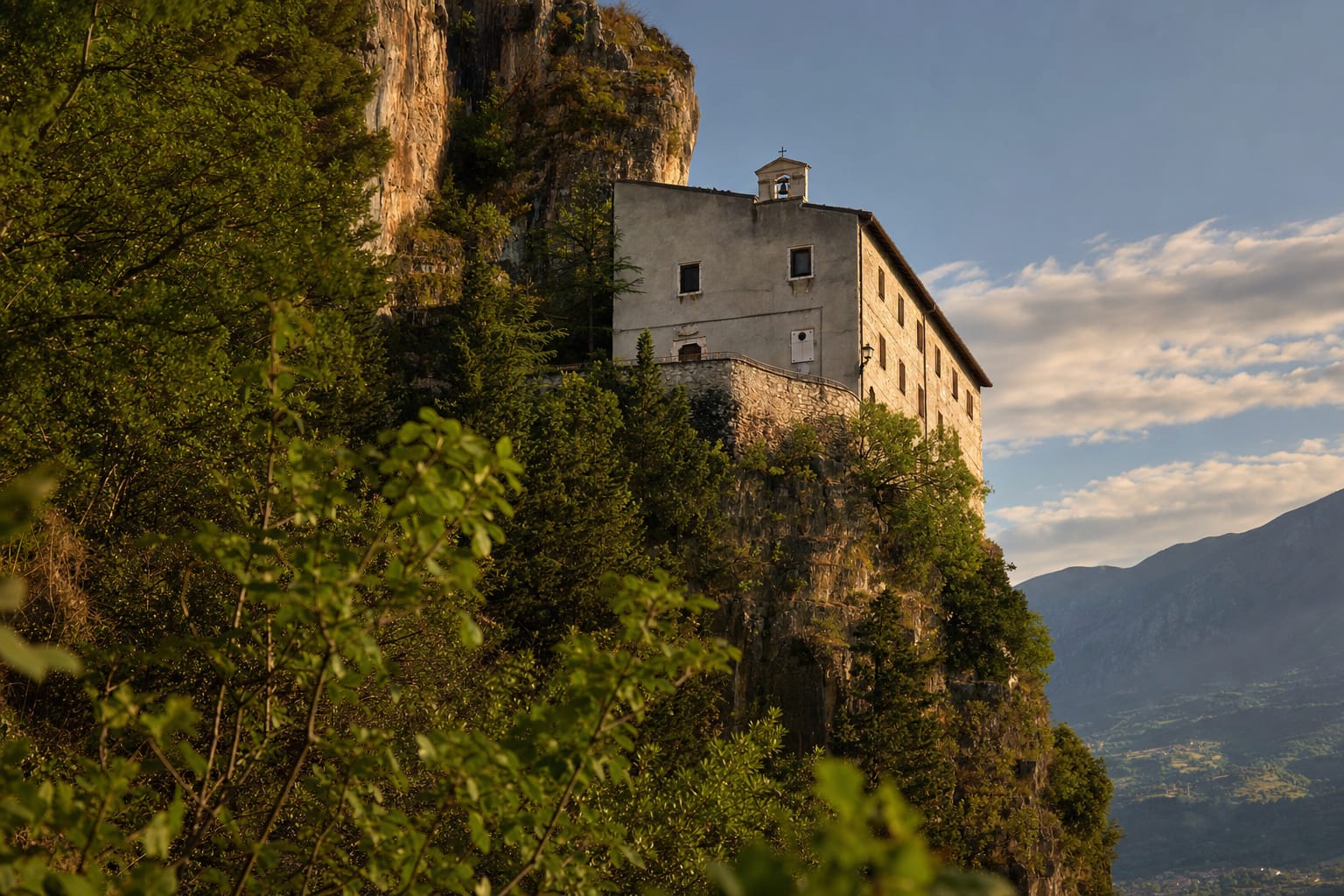 SulmonaThe birthplace of the poet Ovid, set in the broad Peligna valley, Sulmona is the world's capital of confetti, the sugared almonds bundled here into intricate flowers. On the Morrone slopes above clings the cliff hermitage of Sant'Onofrio, the retreat of the hermit-pope Celestine V.