Skip to content

Nora Archaeological Site

A Phoenician, Punic and Roman port town on a cape south of Cagliari, with a seaside theatre and mosaic floors.

  • Pula
  • Archaeological site
Where
Pula
Best for
Phoenician-Roman town on a cape
Allow
1 hr 30 min
Tickets
From €10
Checked April 2026

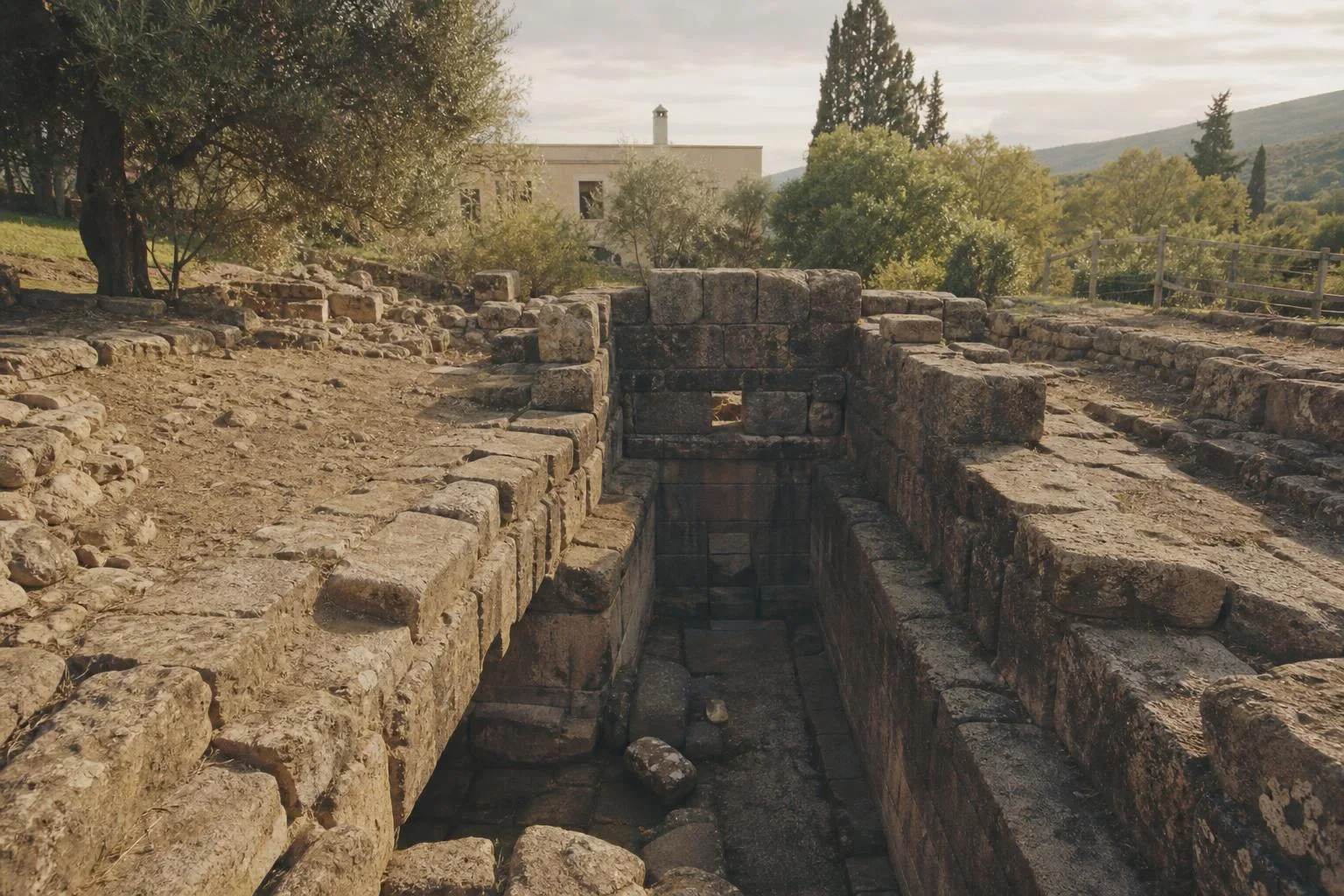
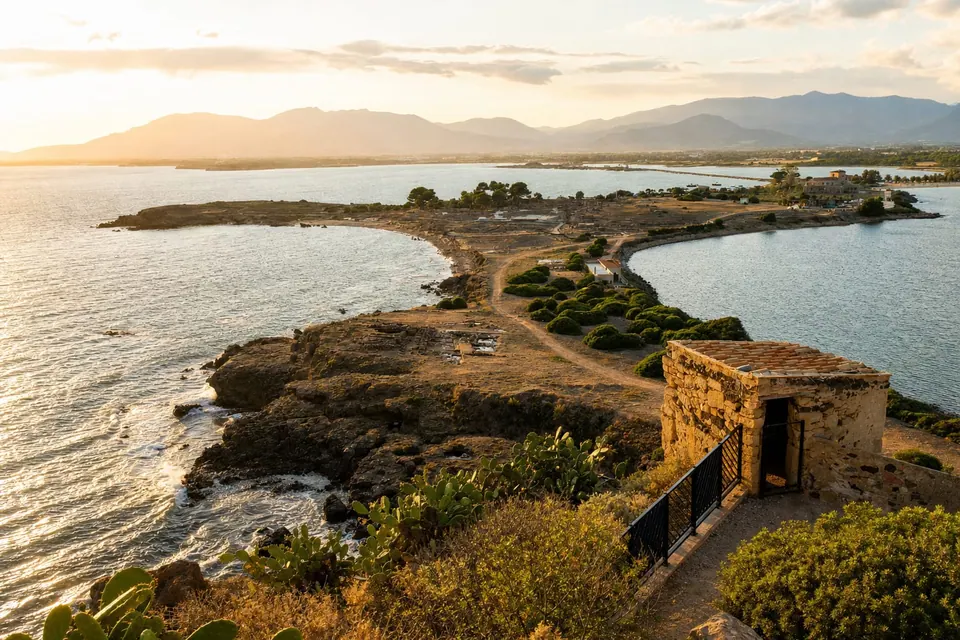
Phoenician traders founded Nora on a low cape south of Cagliari, and Carthaginians and then Romans built over them, so the ruins read as a layered port town with the sea on three sides.

Here in 1773 came the Nora Stone, a Phoenician inscription of the late ninth or early eighth century BC that gives the earliest written form of the island’s name; it now sits in Cagliari’s national archaeological museum. On site, walk the paved Roman streets, the bath complex with its mosaic floors and the small theatre, still used for summer performances. Erosion has taken part of the ancient town into the water, and on calm days you can make out walls just under the surface.

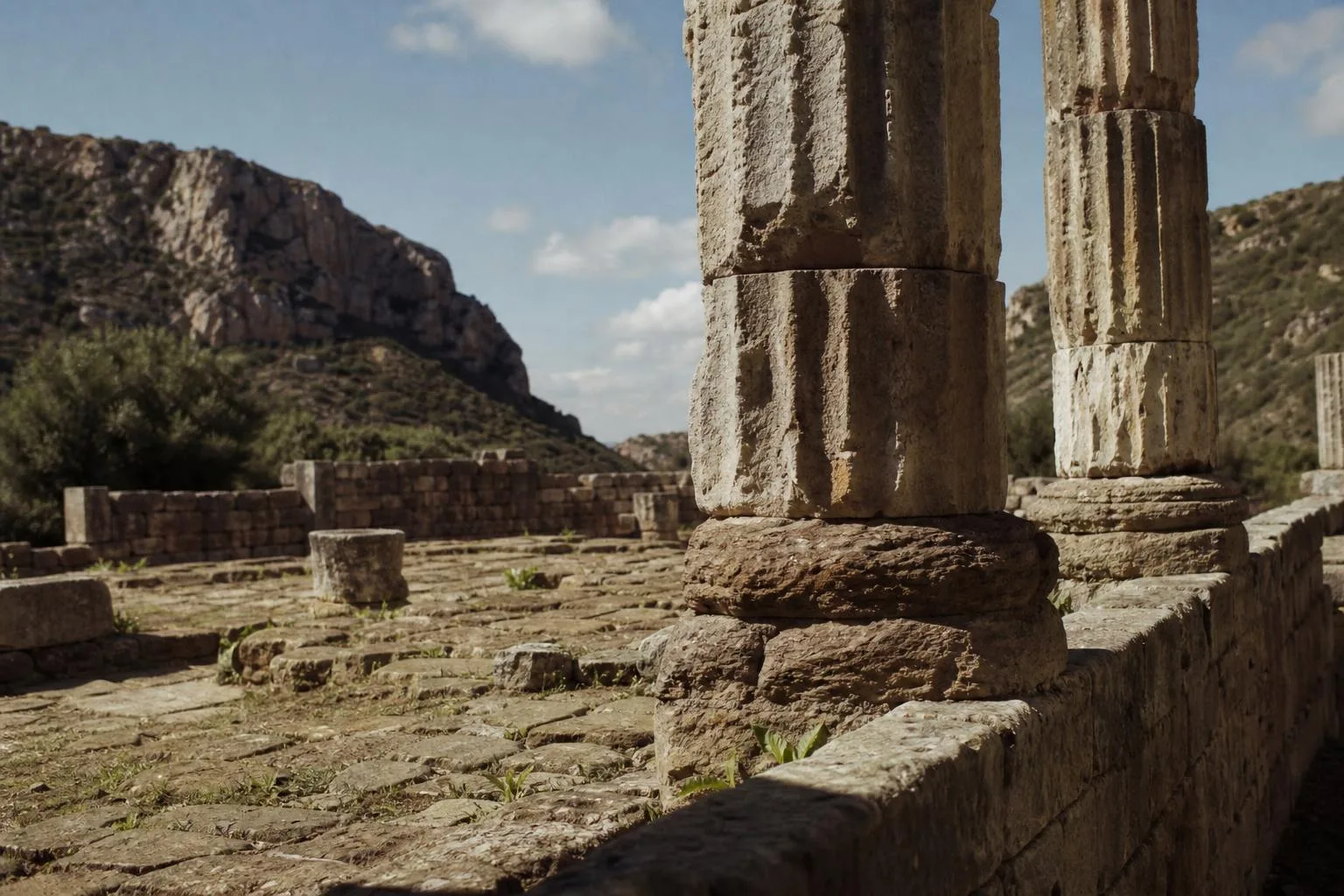
Five things worth finding

If you see nothing else, see these.

  1. The Roman theatreEarly first century BCE

    A small, beautifully preserved theatre that is still used for summer performances, with the sea as backdrop.

  2. The baths and their mosaicsRoman, second to fourth century CE

    Roman bath complexes whose mosaic floors survive in place.

  3. Casa dell’Atrio TetrastiloRoman house, third to fourth century CE

    A private house with a courtyard supported by four columns and fine mosaic floors.

  4. The Temple of TanitPunic

    The Punic sanctuary set on the rocky point, a reminder that Nora was a Phoenician town before a Roman one.

  5. The paved streets and the submerged wallsRoman town grid

    Streets paved in andesite slabs lead toward the water, and on calm days you can spot ruins just under the surface.

Plan your visit

Everything you need before you go.

Tickets
From €10
Booking
No booking needed
Time needed
1 hr 30 min
Best time
Morning or late afternoon, when the light is soft and the heat lower
Getting there
Nora sits at the end of the Capo di Pula, a few kilometers from Pula and about 30 km south-west of Cagliari on the SS195 coast road. There is no train; buses from Cagliari serve Pula, but a car or taxi makes the last stretch easier, and parking is by the entrance.
Accessibility
Explanatory panels carry QR codes for audio description and Italian Sign Language content. Paths run over ancient paving and uneven ground.

Reduced ticket €6 (from the Ministry of Culture listing). The ticket includes a guided visit, arranged with the ticket office. Last updated April 2026. Prices change, so check the official site before you go.

Take the guided visit that comes with your ticket: the guides tie together streets, baths and theatre that are hard to read alone. Then swim at the small beach beside the ruins.

Get directionsGoogle MapsApple Maps

Good to know

How long should you spend at Nora?

About 90 minutes for the theatre, baths, mosaics and the walk along the cape.

Is Nora worth visiting?

Yes, particularly for the setting: a Phoenician-Roman town on a cape with the sea on three sides. It pairs naturally with a swim at the beach next door.

Do you need to book Nora?

No advance booking is normally needed, but visits are often run as guided walks, so ask at the ticket office on arrival.

A letter from Italy, once a month.

The places, tables and makers we found worth your time. One email, no noise.

One letter a month. Unsubscribe at any time. We never share your address.

Help us get it right

What is it about?