Skip to content

Castello della Manta

Castello della Manta's Baronial Hall, frescoed around 1420 with the Nine Worthies in Burgundian dress.

  • Saluzzo
  • Castle
Where
Saluzzo
Best for
Nine Worthies fresco cycle
Allow
1 hr 15 min

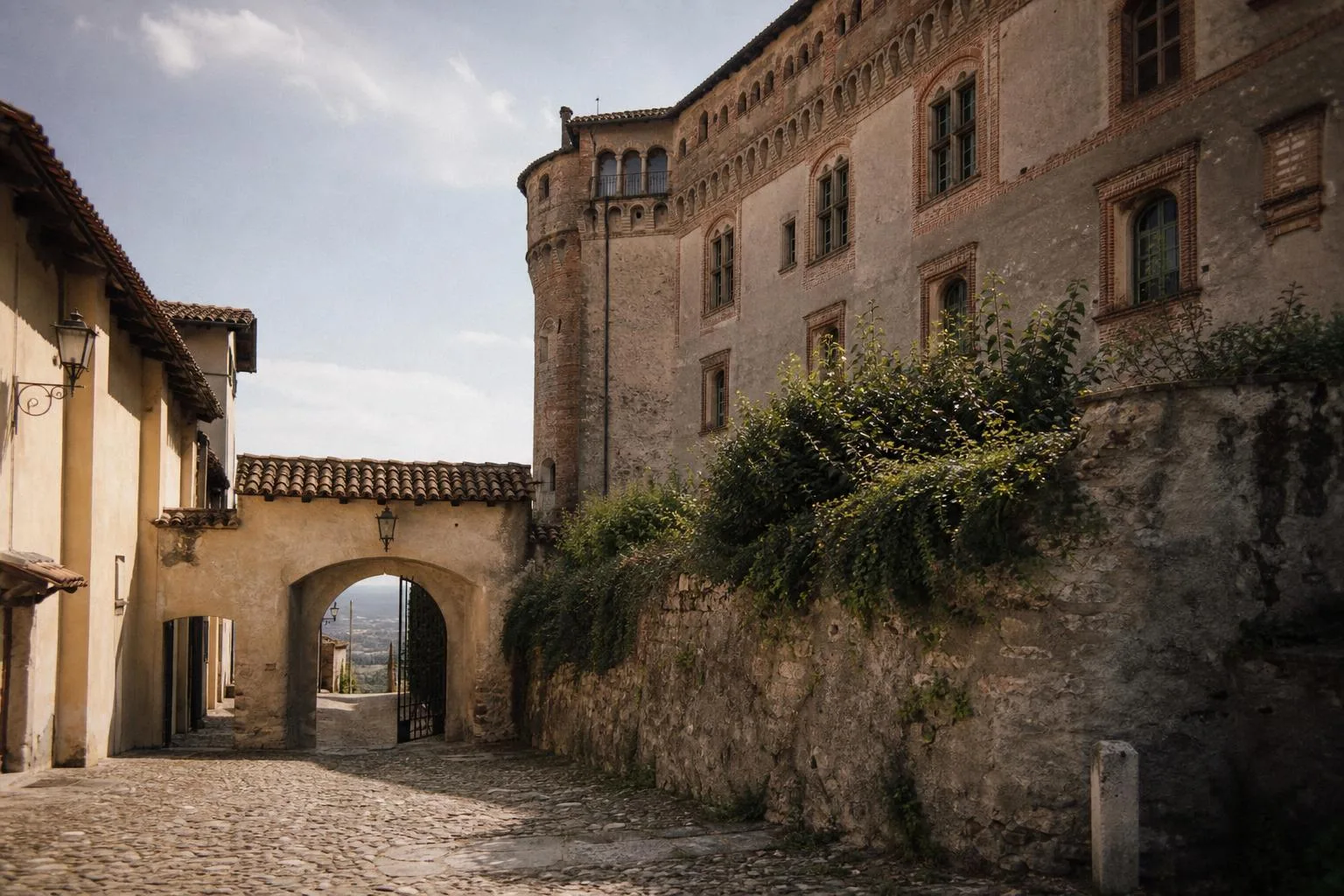
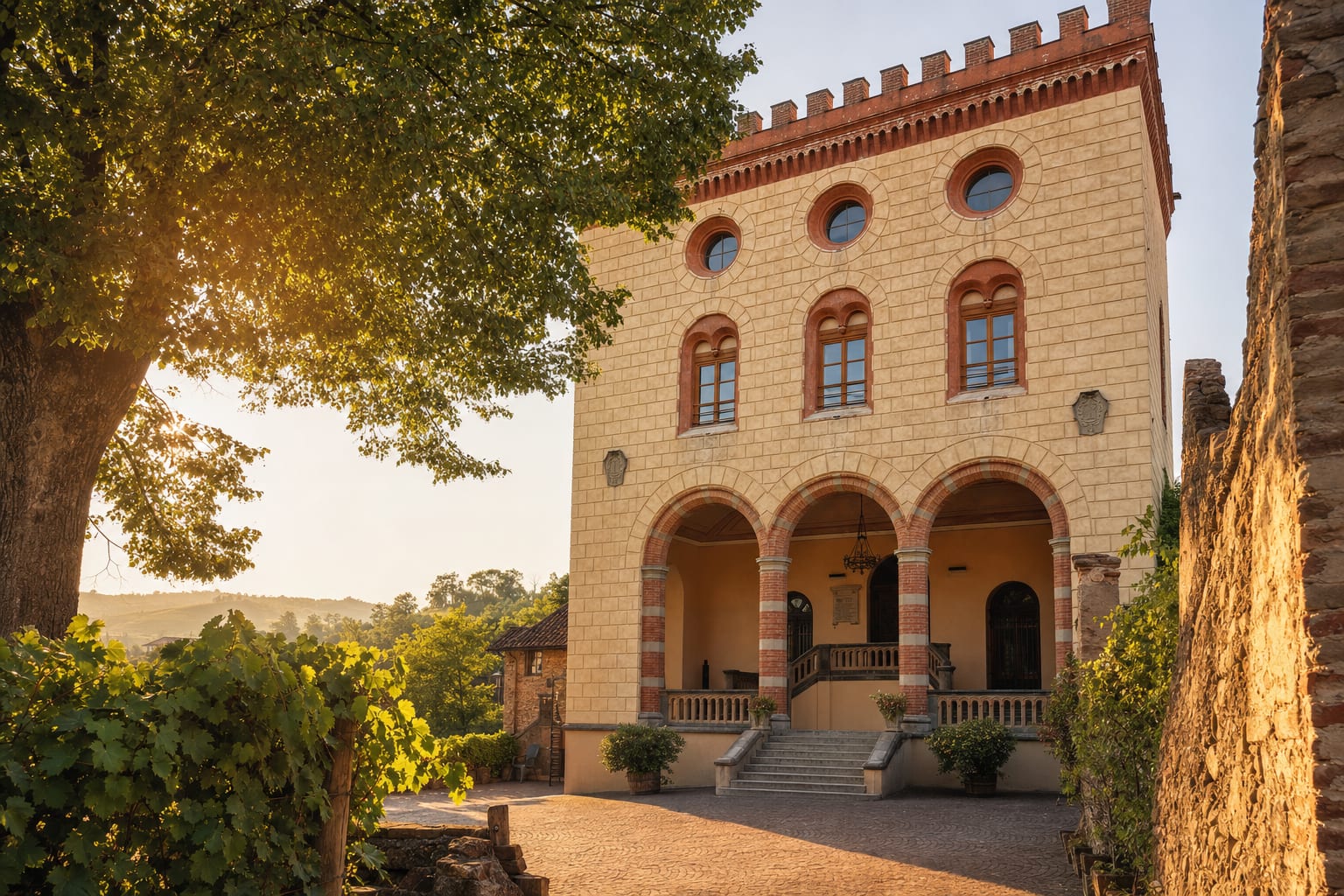
The margraves of Saluzzo turned this twelfth-century fortress into a residence and, around 1420, commissioned the Baronial Hall's fresco cycle that makes Castello della Manta one of the finest survivals of Late Gothic painting north of the Alps.

An unknown Master of Castello della Manta painted the Nine Worthies, three pagan heroes, three Jews, three Christians, paired with nine female counterparts, all dressed in the sumptuous fashion of the Burgundian court rather than antique costume, following a poem by Marquess Thomas III of Saluzzo called Le Chevalier Errant. A fountain of youth scene fills the opposite wall with bathers shedding old age for new bodies. Around 1560 a later Manta count added the grotesque-frescoed Sala delle Grottesche. The FAI, Italy's national trust, has managed the castle and its garden since 1986.
Four things worth finding

If you see nothing else, see these.

  1. The Nine Worthies and Nine HeroinesMaster of Castello della Manta, c. 1420

    Hector, Alexander and Caesar, Joshua, David and Judas Maccabeus, Arthur, Charlemagne and Godfrey of Bouillon, each paired with a heroine, all in the rich dress of a Burgundian-style court rather than antique costume. Faces are likely portraits of the Saluzzo family.Baronial Hall (Sala Baronale)

  2. The Fountain of YouthMaster of Castello della Manta, c. 1420

    Bathers step out of the pool shedding old age for new bodies, one of the very few secular medieval paintings of the theme to survive.Opposite wall of the Baronial Hall

  3. The Sala delle GrottescheCommissioned by Michele Antonio della Manta, c. 1560

    A Mannerist ceiling of stucco, grotesques, ancient ruins and Renaissance buildings, a whole different mood from the Gothic hall.Castle’s representative apartment

  4. The apse frescoes of the castle churchLate Gothic, same period as the Baronial Hall

    Scenes from the life of Christ in the apse, painted at the same time as the big hall.Church of Santa Maria al Castello, attached to the castle

Plan your visit

Everything you need before you go.

Booking
No booking needed
Time needed
1 hr 15 min
Best time
Weekday mornings, when the Baronial Hall is quiet enough to study the faces
Getting there
In the village of Manta, about 3 km south of Saluzzo and 55 km from Turin; there is no train, so arrive by car or local bus from Saluzzo.

FAI members enter free; check fondoambiente.it for current non-member pricing and seasonal closing days.

Look closely at the fourth Christian worthy, Godfrey of Bouillon: his face is thought to be a self-portrait of the anonymous painter.

Get directionsGoogle MapsApple Maps

Good to know

How long should you spend at Castello della Manta?

About an hour and a quarter. The Baronial Hall repays slow looking, since each figure has a different face and costume. Add a little time for the church and the garden.

Is Castello della Manta worth visiting?

Yes. It holds one of the best surviving Late Gothic court painting cycles north of the Alps, and the FAI has kept the castle and garden well. It is a hidden gem of Piedmont that many visitors to the Langhe and Cuneo area miss.

Can you see Castello della Manta and Saluzzo in one day?

Yes, they are close. Saluzzo’s medieval old town takes the rest of the day, and Manta is a short trip south. There is no train to Manta, so go by car or local bus from Saluzzo.

A letter from Italy, once a month.

The places, tables and makers we found worth your time. One email, no noise.

One letter a month. Unsubscribe at any time. We never share your address.

Help us get it right

What is it about?