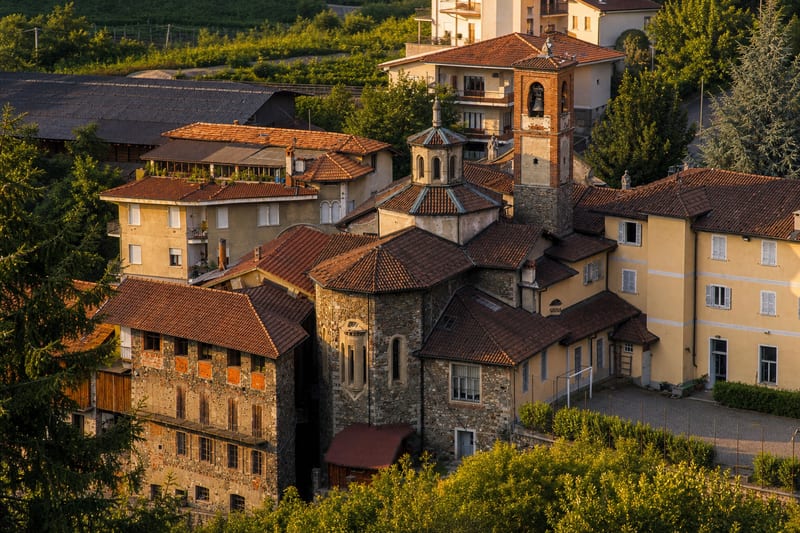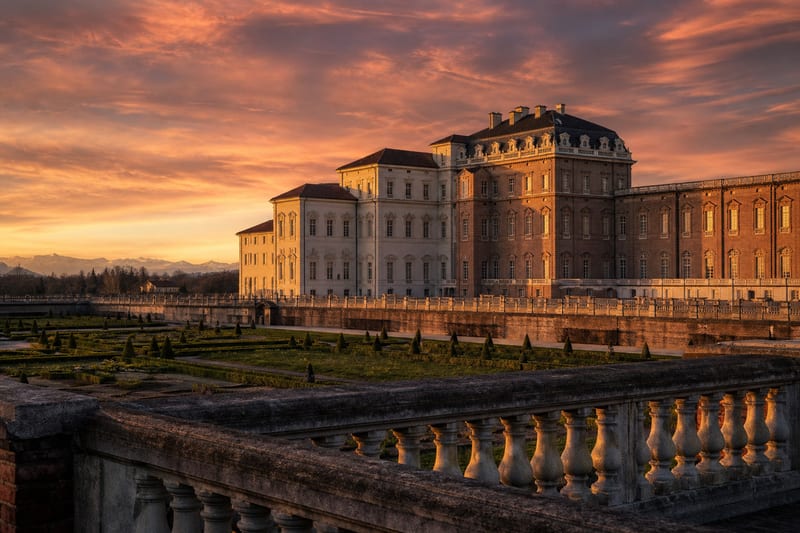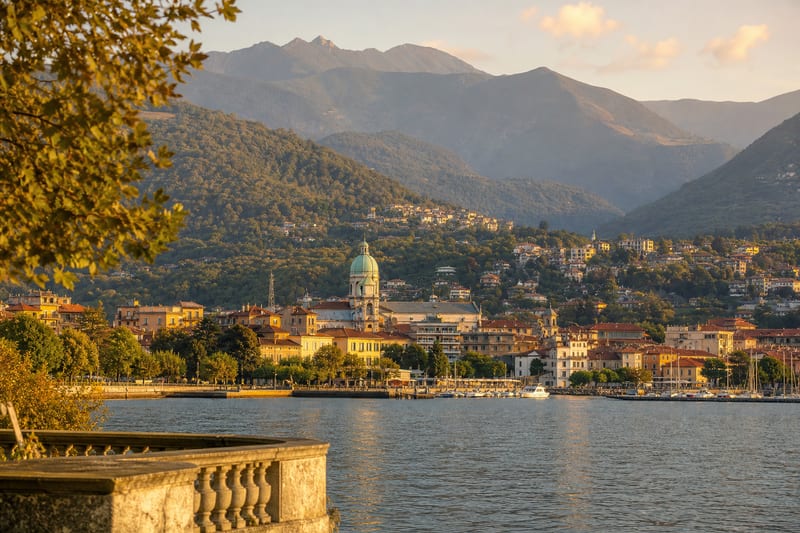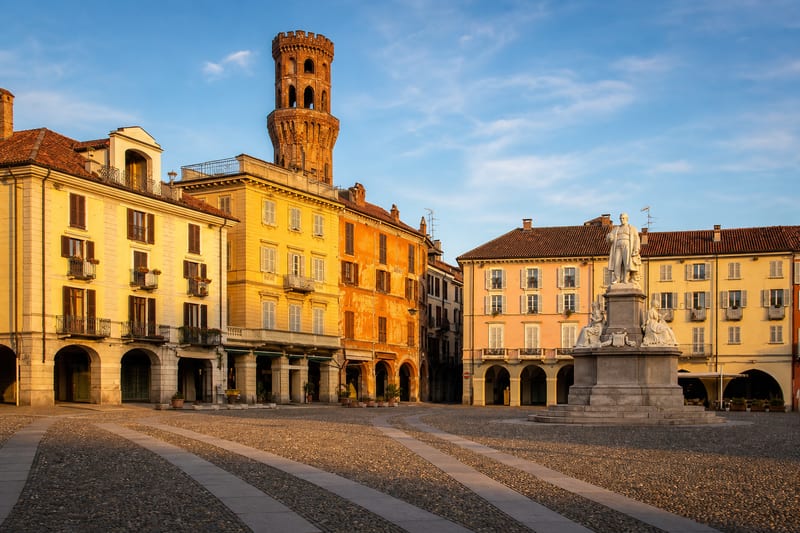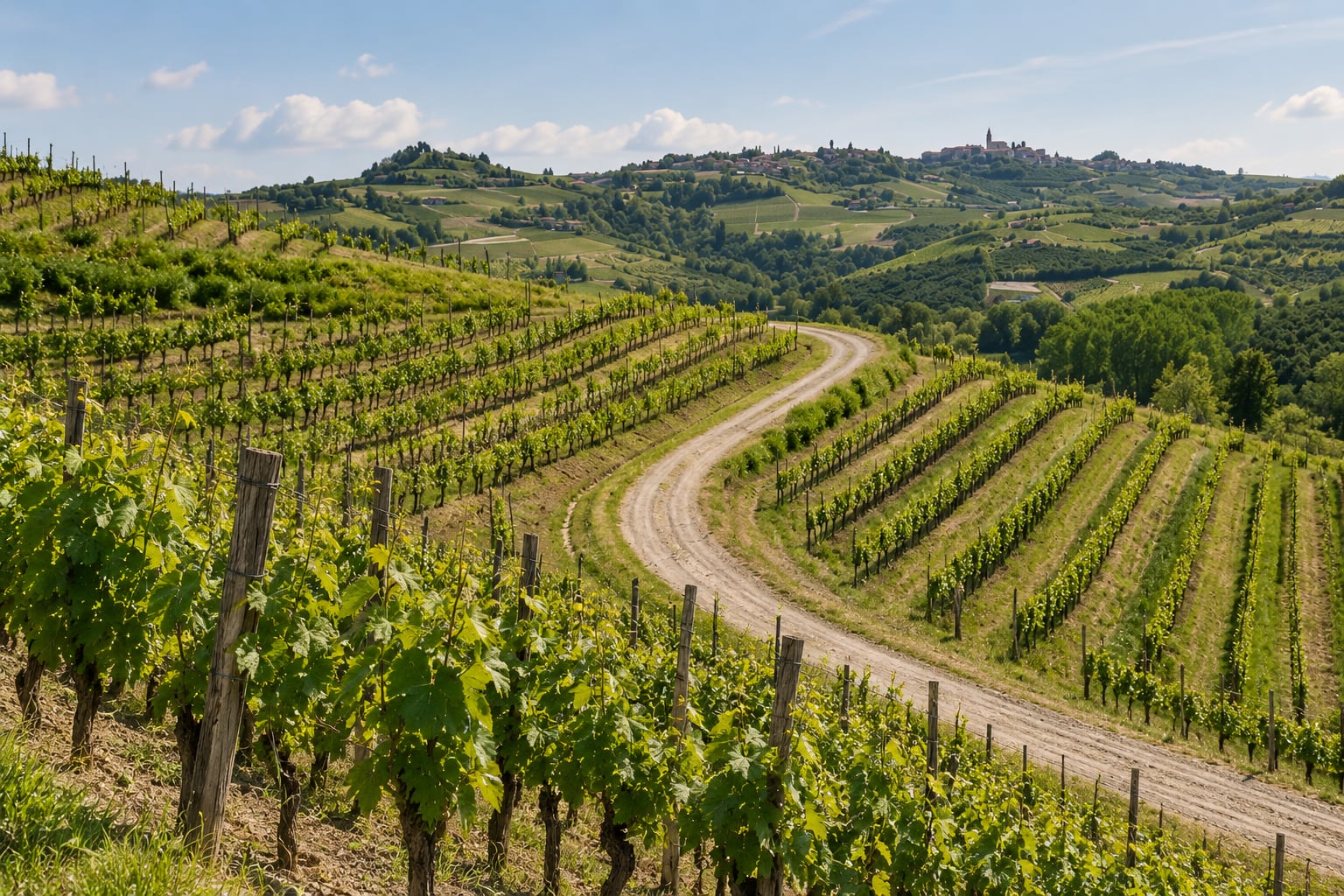
Every city in Piedmont
From the capital to the smallest borghi.
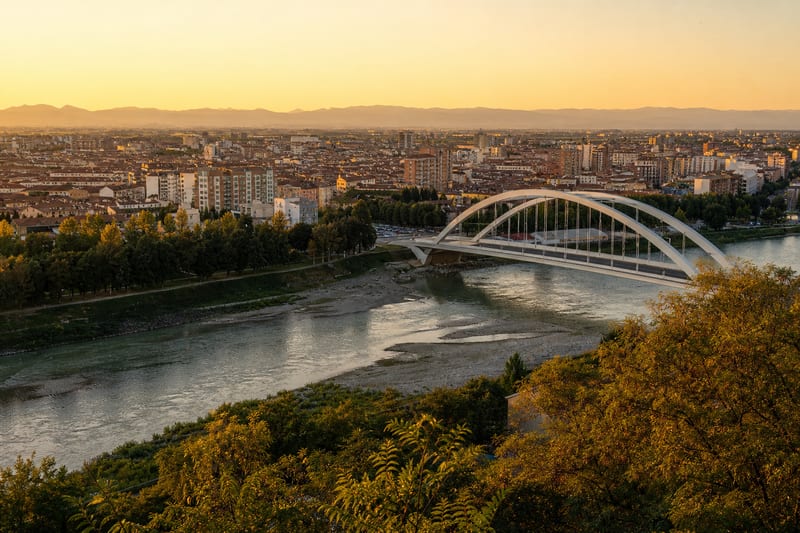
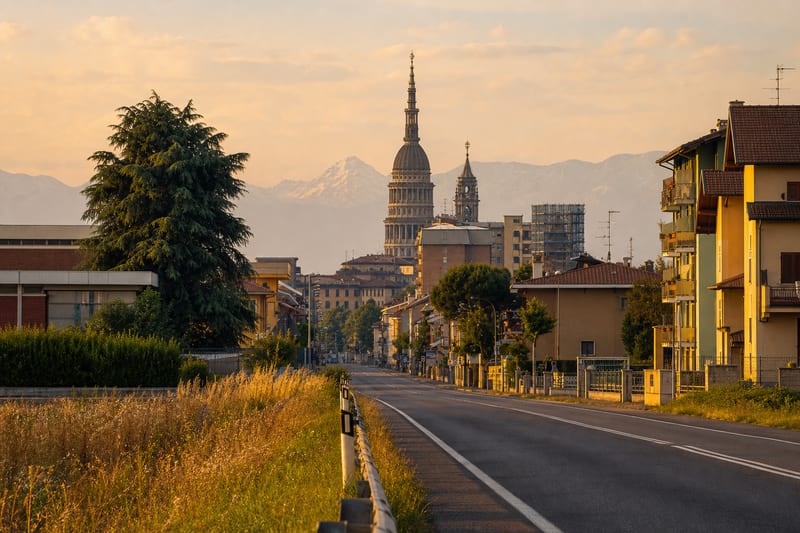
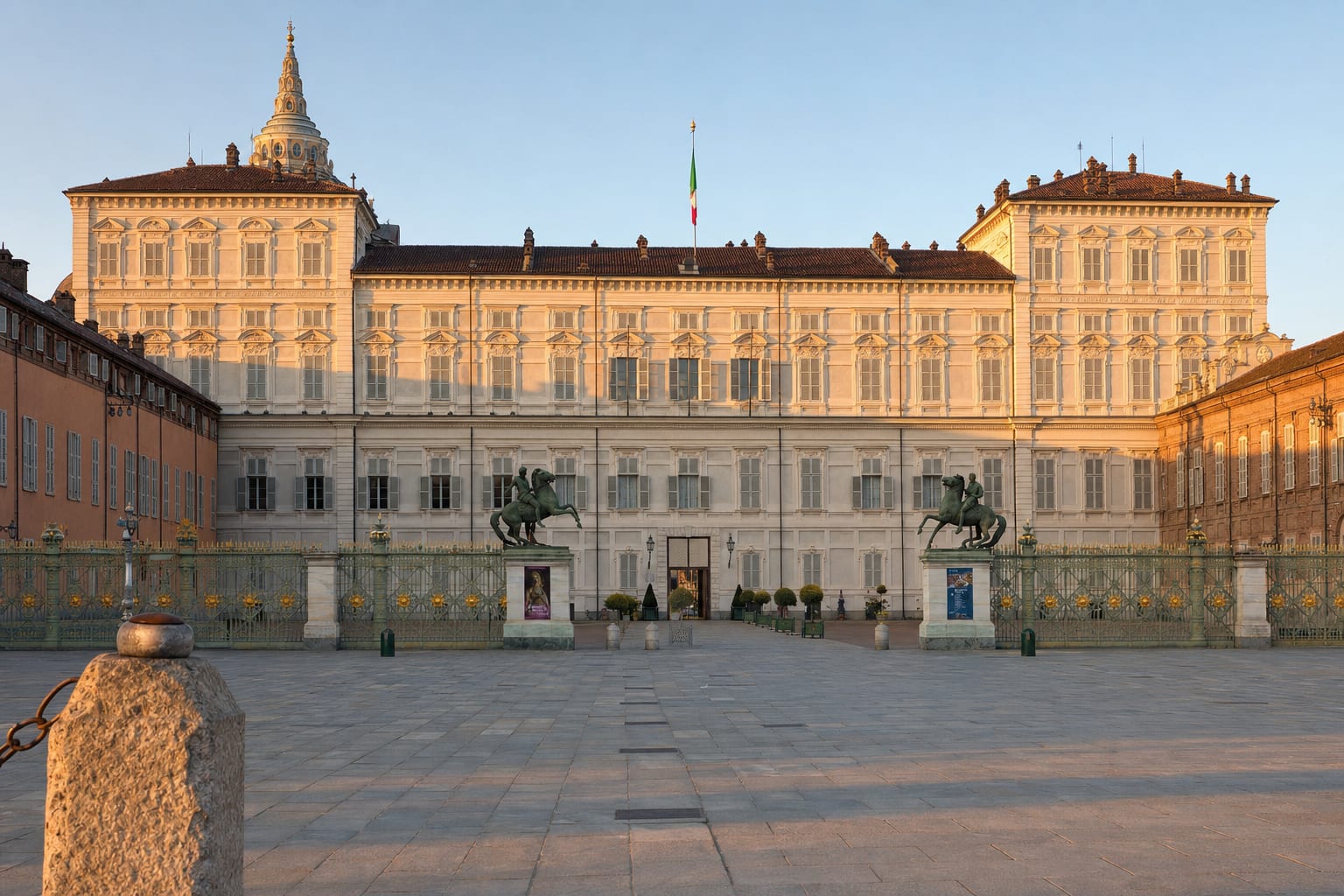 TurinThe capitalThe first capital of united Italy and the old seat of the Savoy, laid out in Baroque grandeur along eighteen kilometres of arcades. The Mole Antonelliana spires above the rooftops over its film museum, the Egyptian Museum ranks among the world's oldest, and the cathedral guards the Holy Shroud.
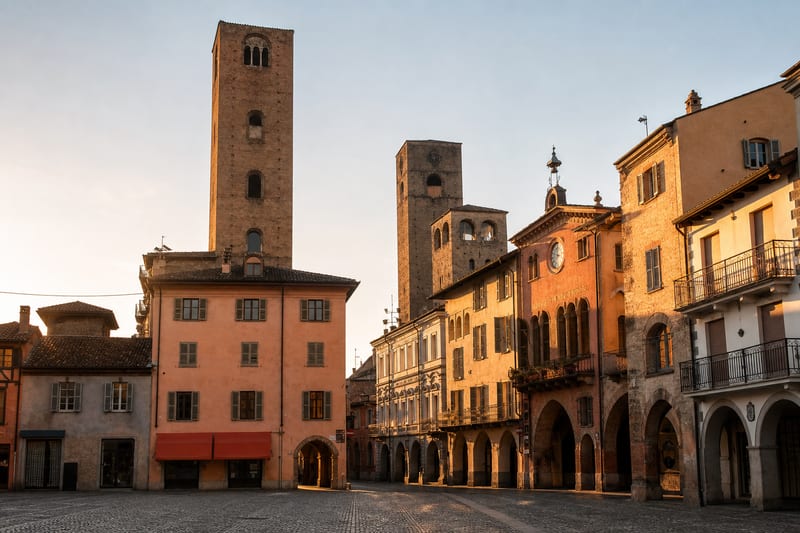
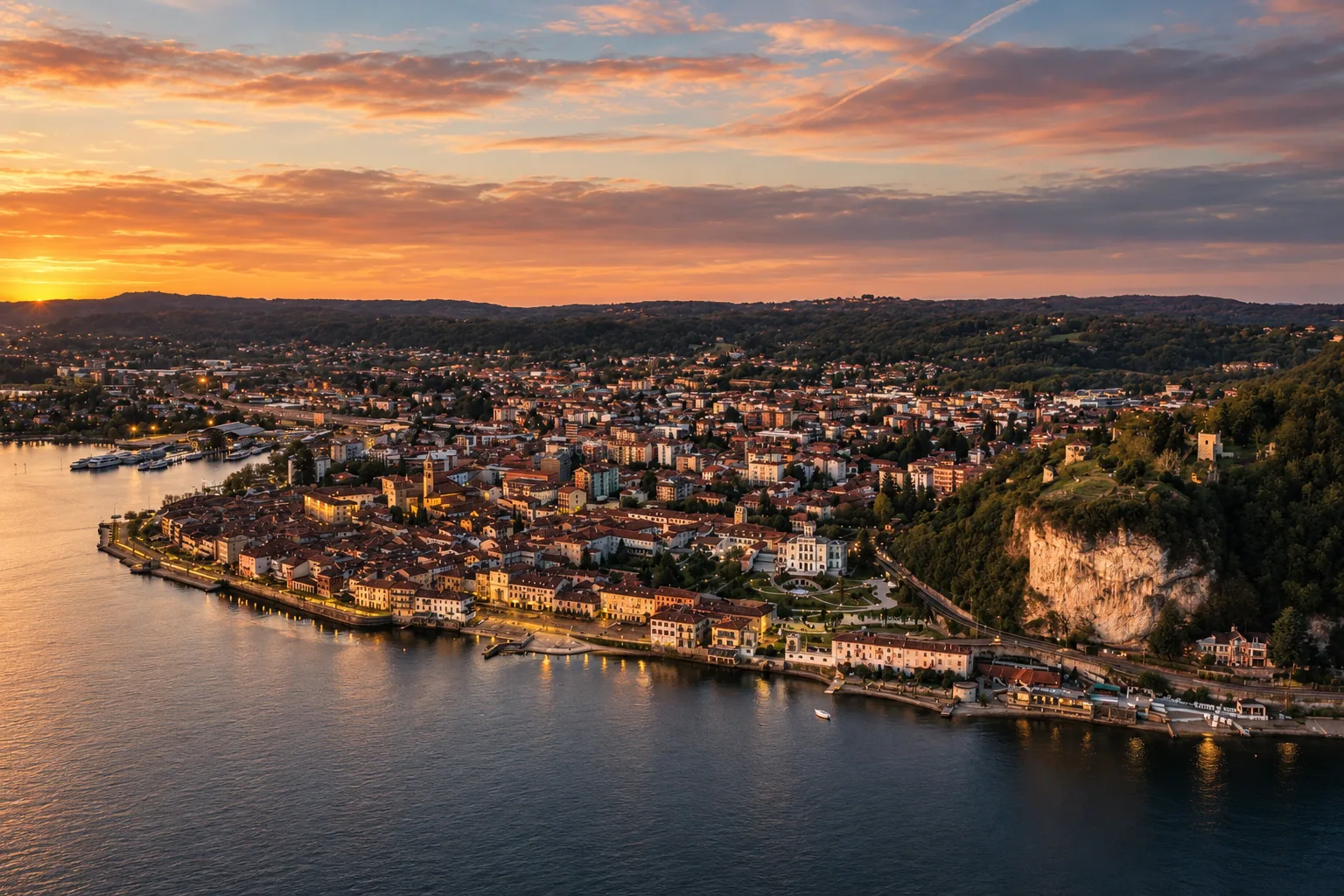 AronaA lakeside town on the southern shore of Lake Maggiore in the province of Novara, looking across the water to the Rocca di Angera on the Lombard bank. A colossal seventeenth-century copper statue of San Carlo Borromeo, born here, rises on the hill above.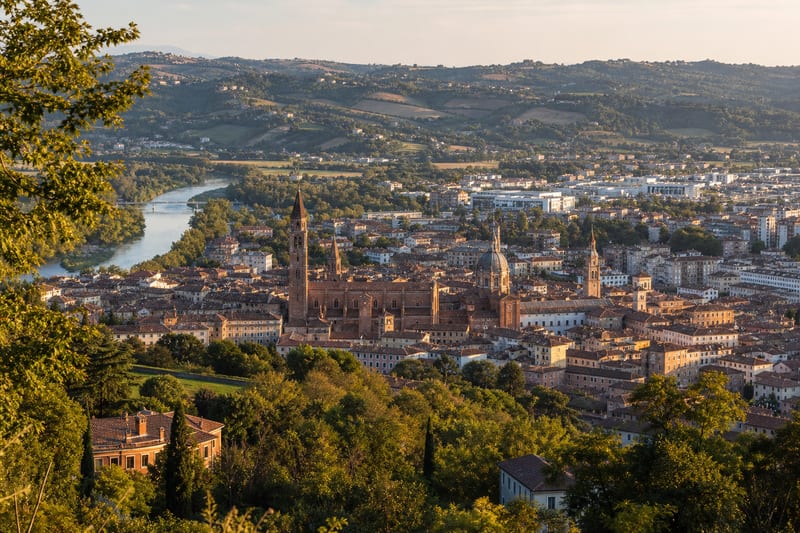
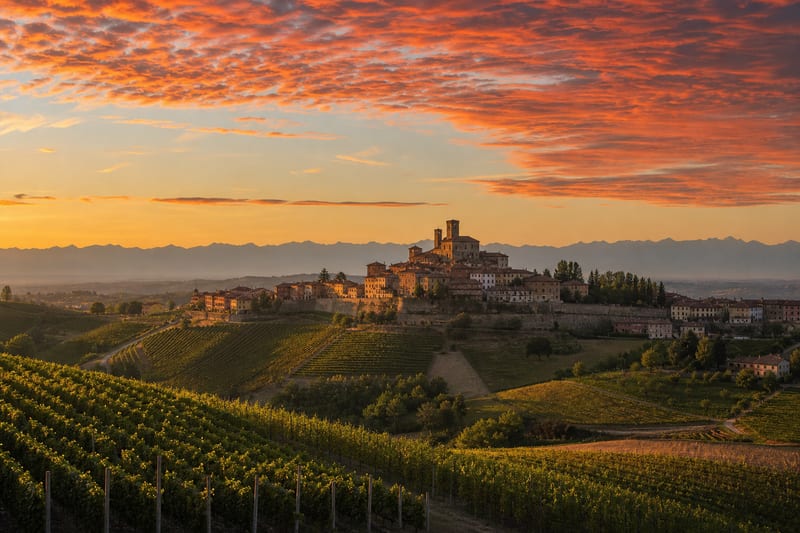
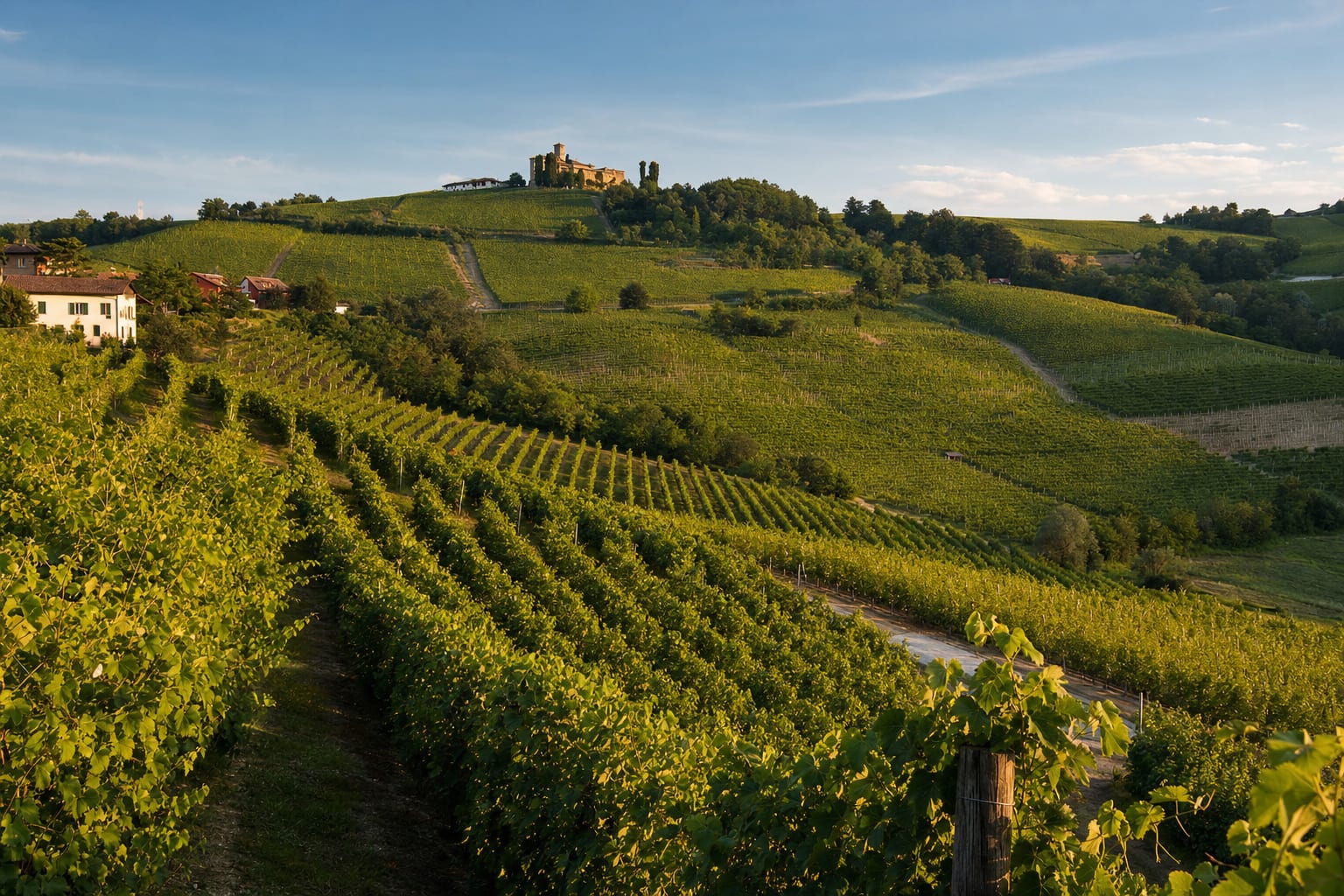 BaroloThe village that lends its name to the king of Italian wines, set among the UNESCO-listed Langhe vineyards beneath the Castello dei Falletti. The castle now holds the WiMu wine museum, telling the story of the Nebbiolo grape and the fog and truffles of these hills.
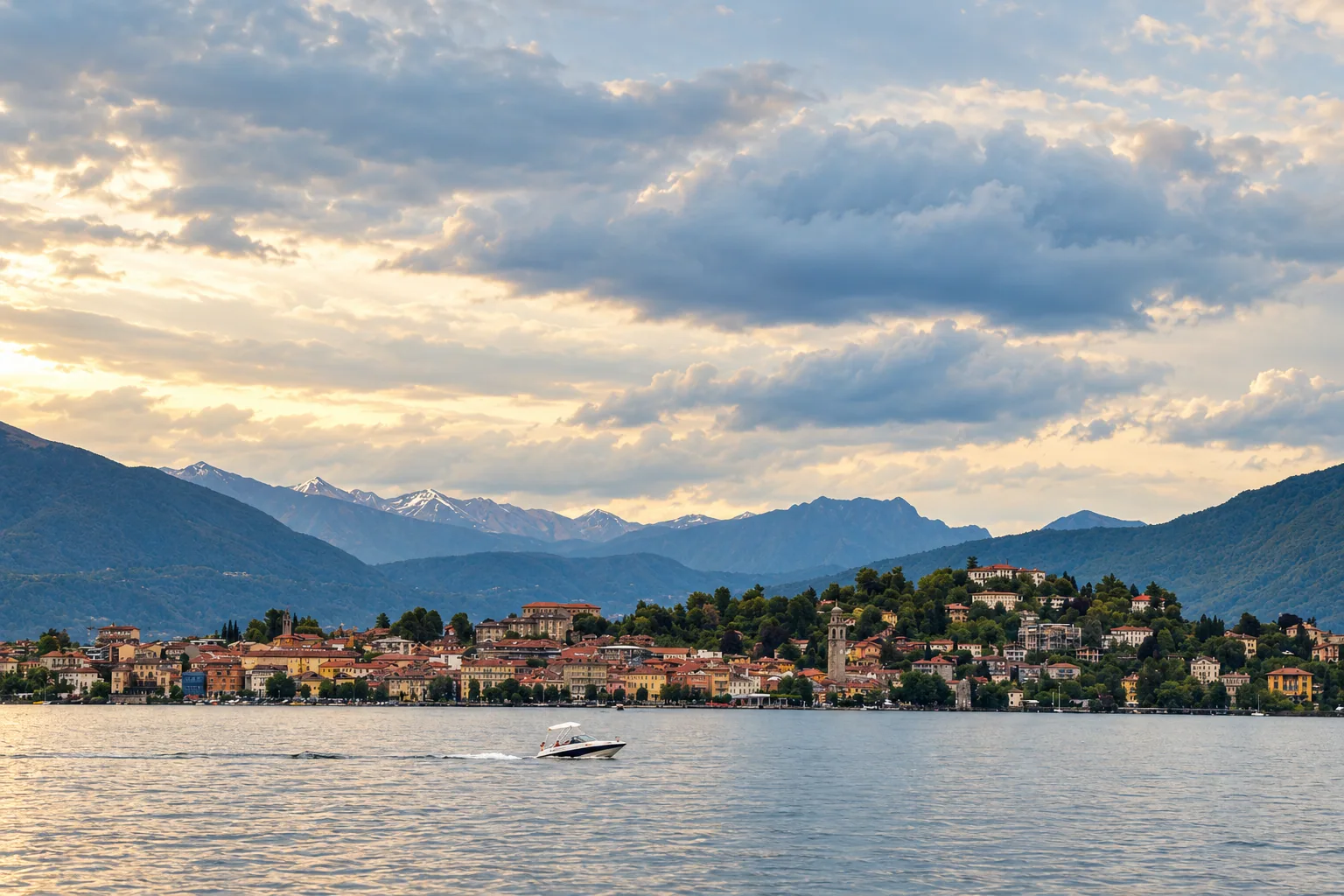 BavenoA lakeside resort on Lake Maggiore in the Verbano-Cusio-Ossola, set on the gulf that faces the Borromean Islands. Its pink granite, quarried from the slopes above, has clad palaces and churches across Europe.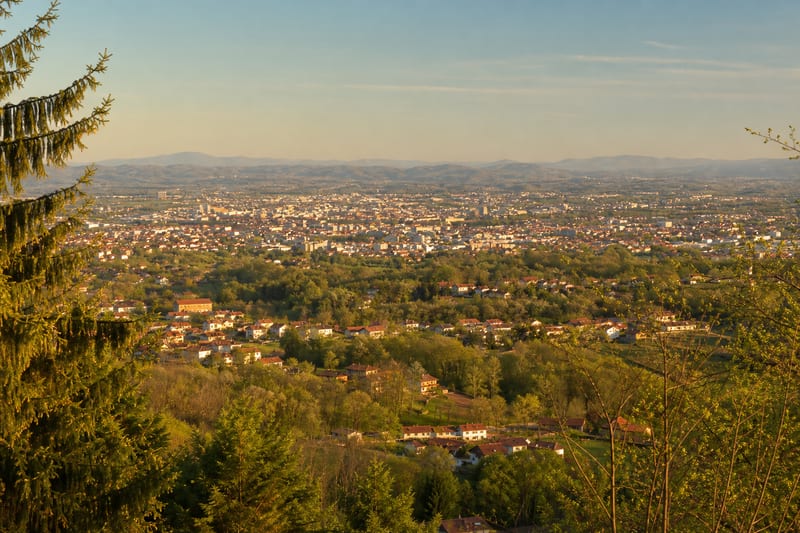
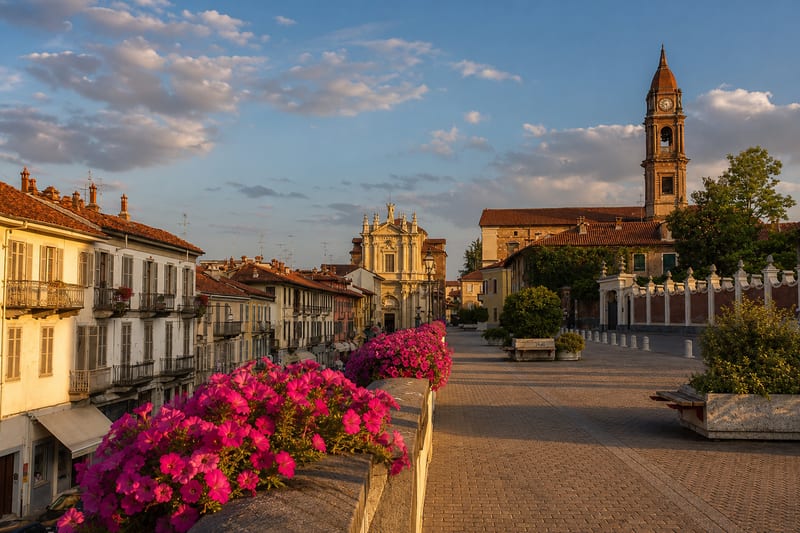
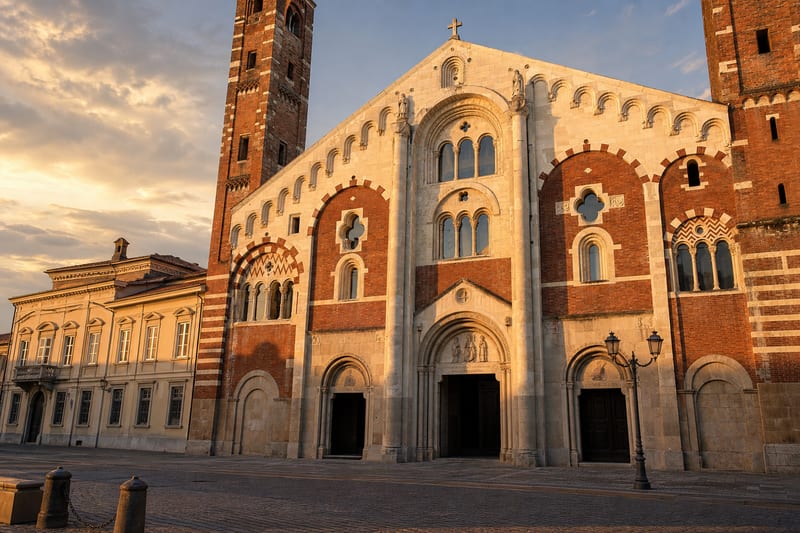
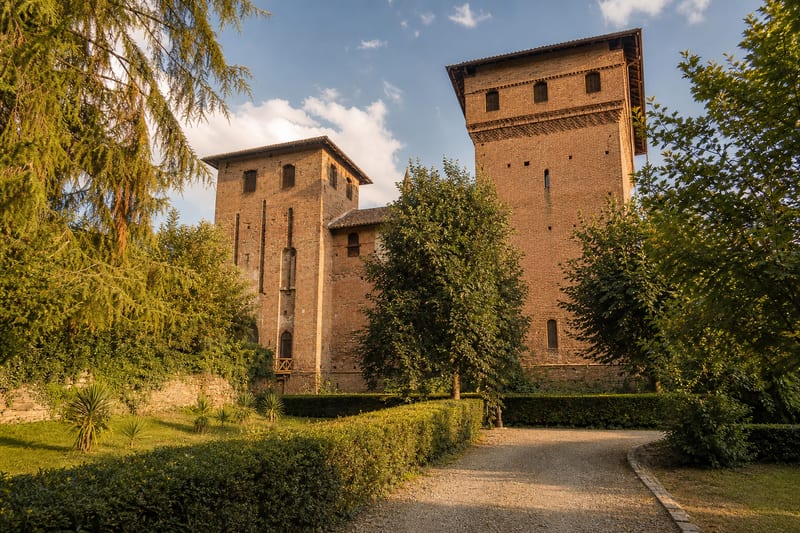
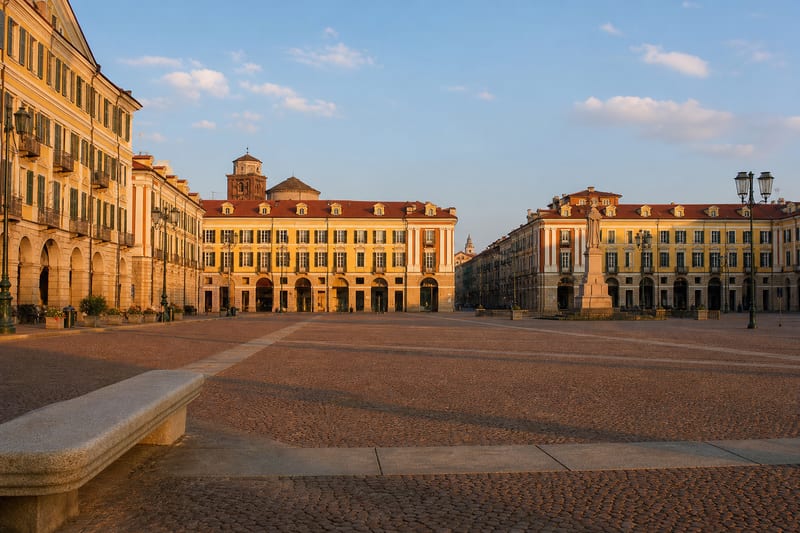
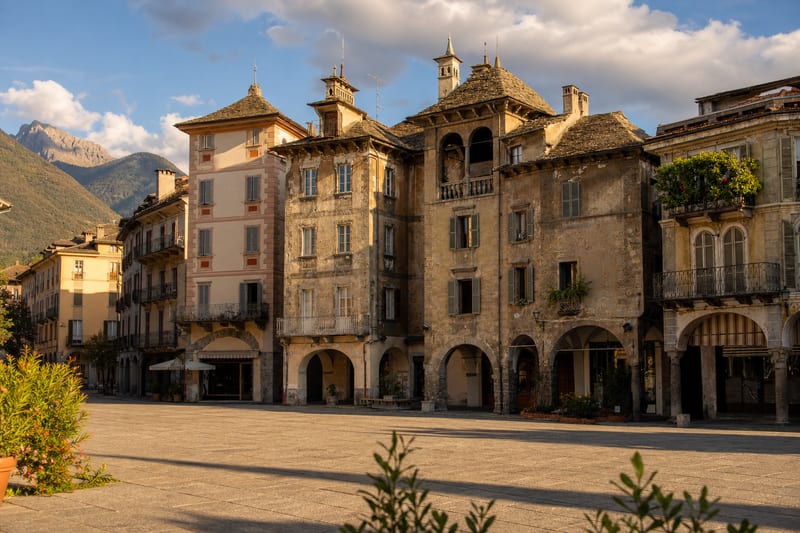
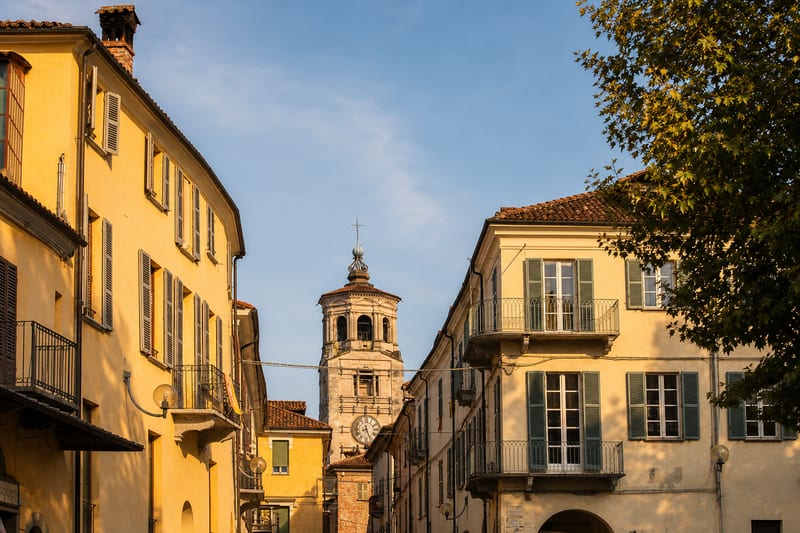
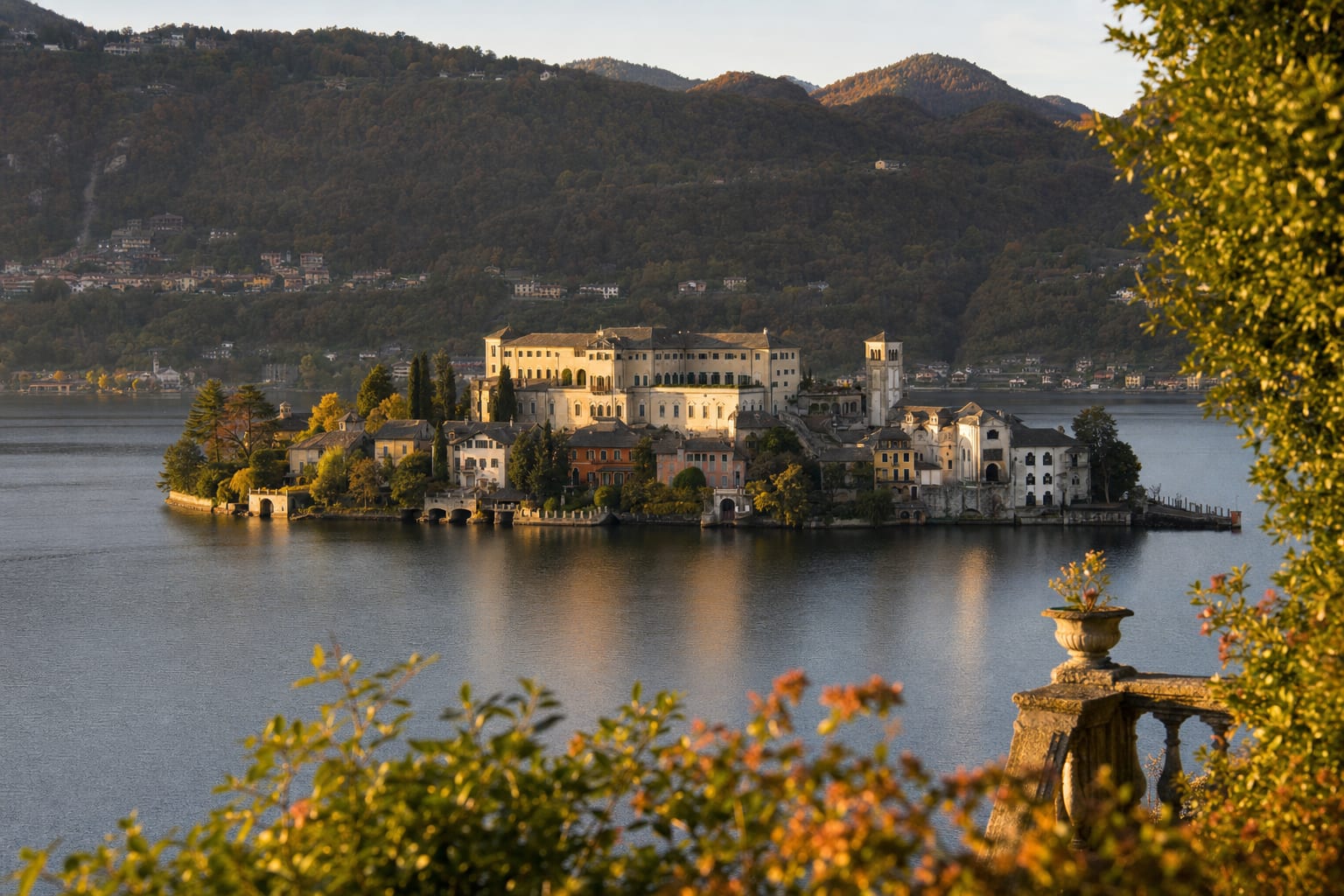 Orta San GiulioA medieval village on a wooded promontory of Lake Orta, gazing out at the Isola San Giulio with its ancient basilica and silent convent of Benedictine nuns. Above the rooftops climbs the Sacro Monte, a UNESCO woodland path of chapels devoted to Saint Francis.
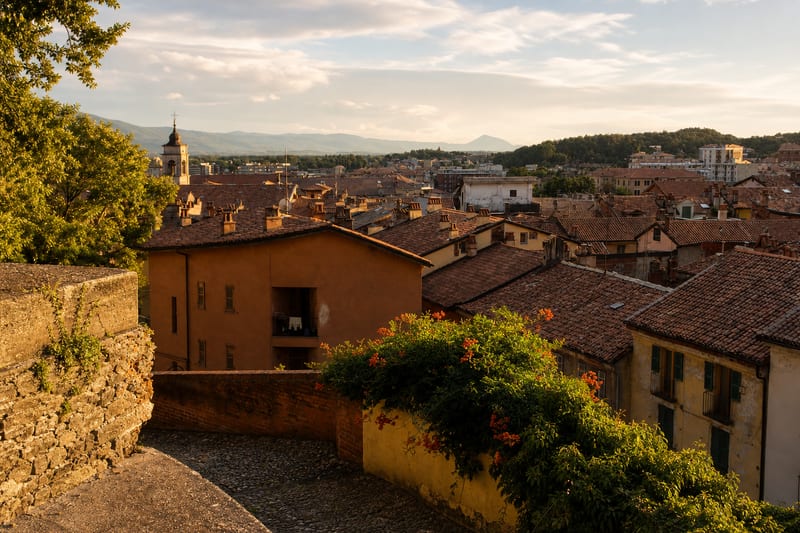
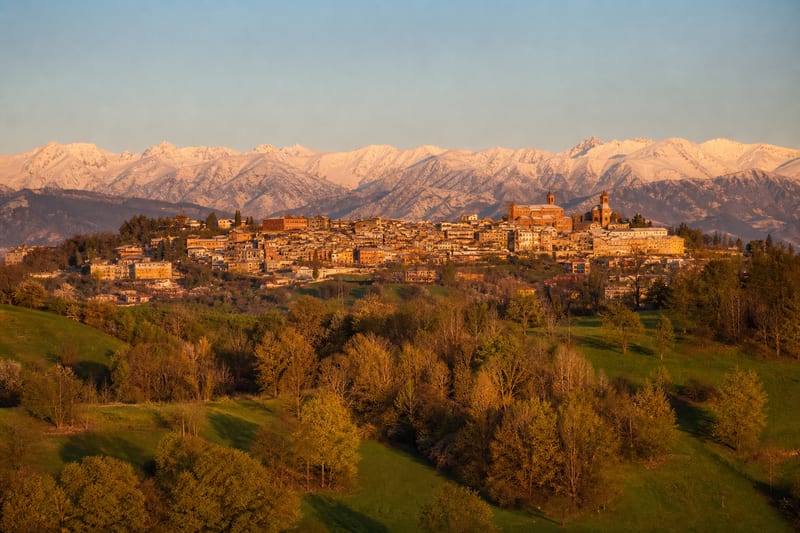
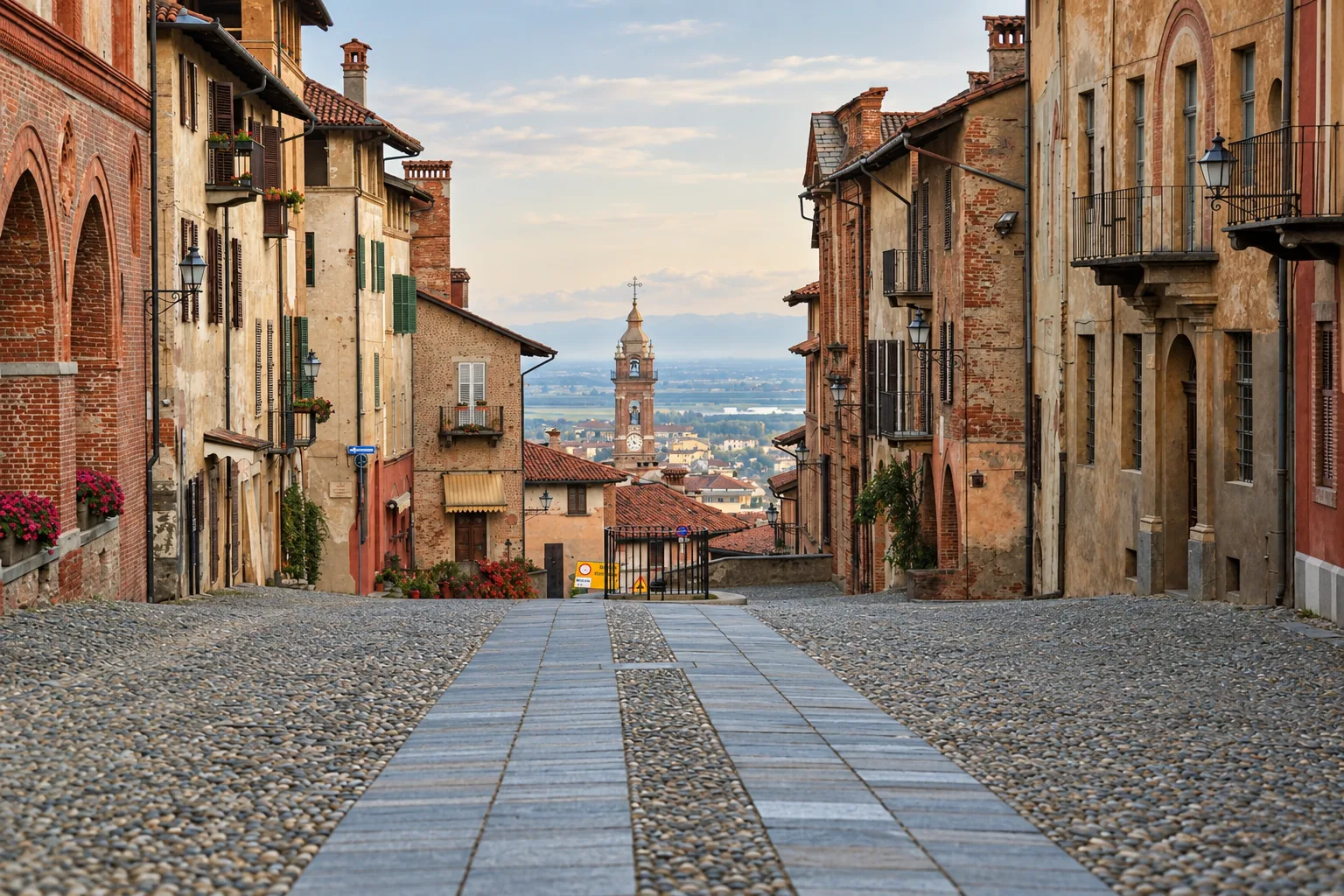 SaluzzoA graceful medieval town tiered up a hillside in the province of Cuneo, once the seat of an independent marquisate. Steep cobbled lanes climb past Renaissance palaces to the castle, with the Monviso pyramid rising on the western skyline.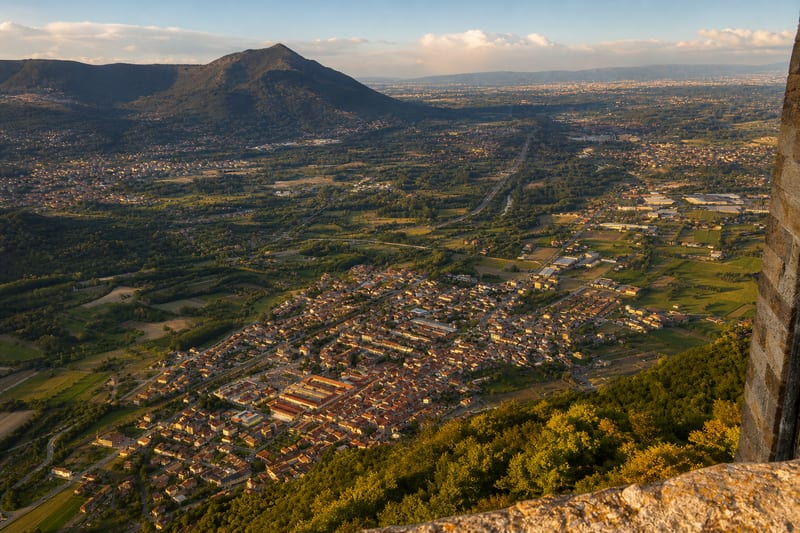
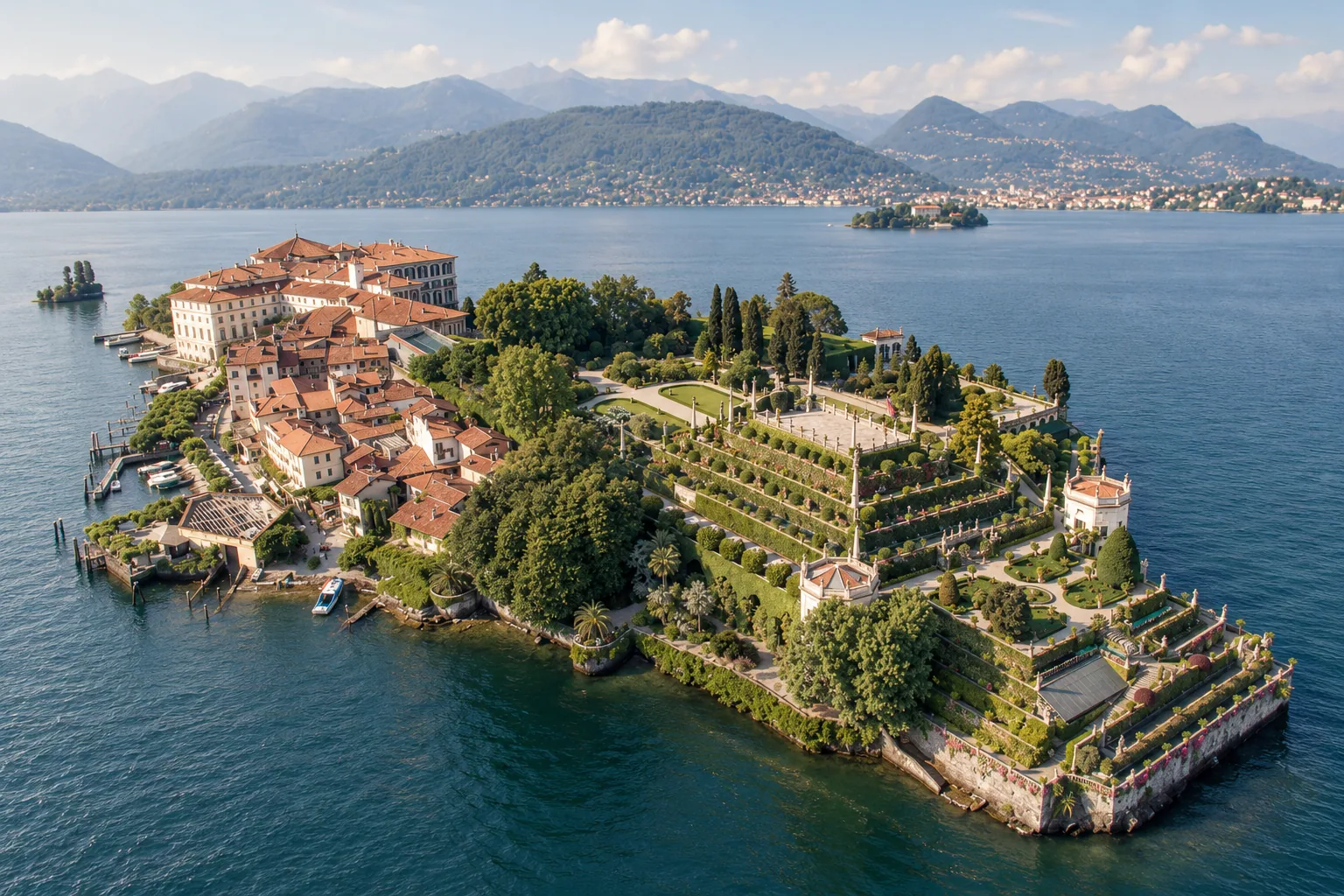 StresaThe grand resort of Lake Maggiore, its belle époque hotels strung along a promenade facing the Borromean Islands. A short boat ride reaches Isola Bella, where the Borromeo palace crowns a ten-terraced Baroque garden roamed by white peacocks.