La storia
Che cosa stai assaggiando
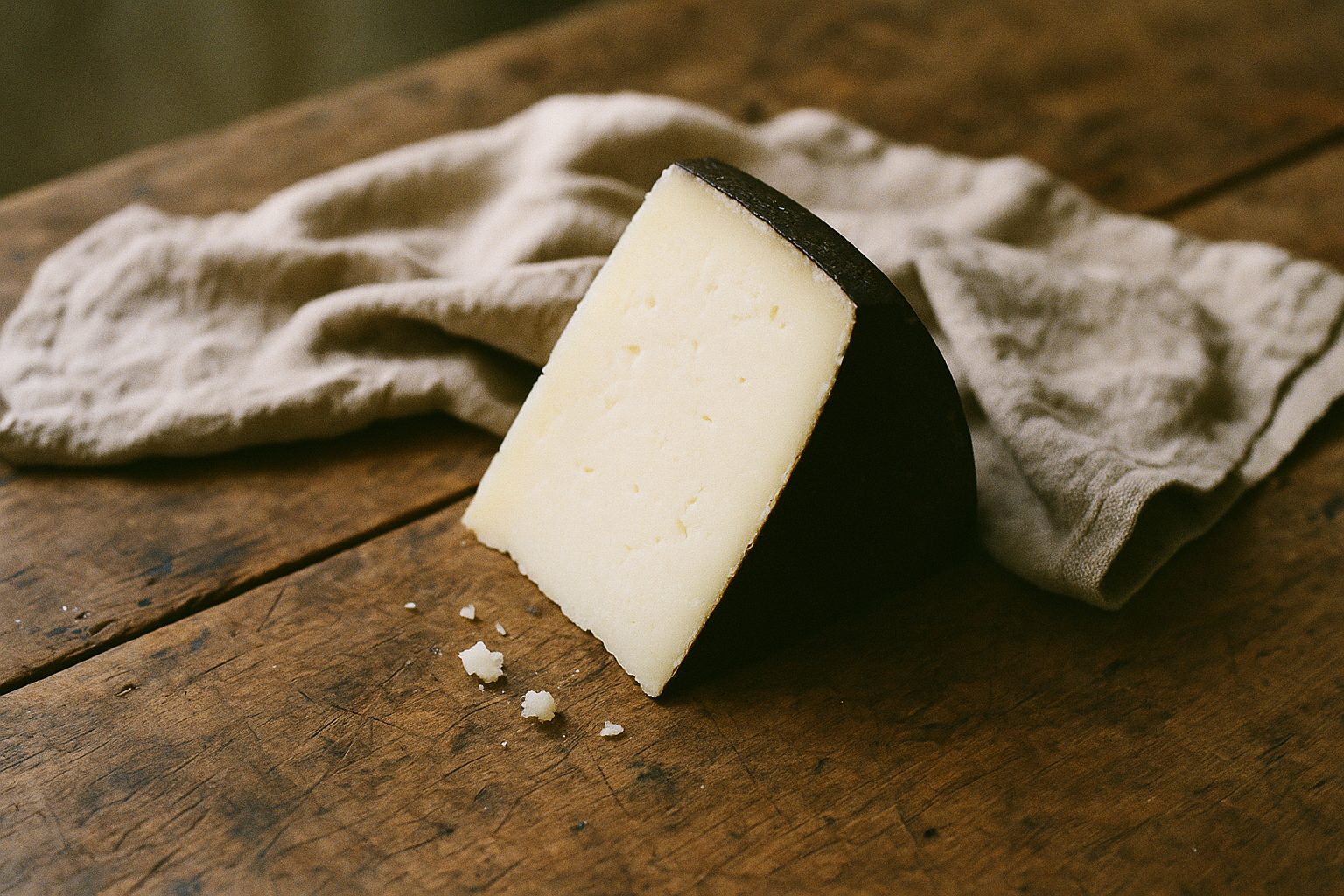
Pecorino Romano DOP is one of Italy's oldest cheeses, with production methods dating to ancient Roman times. Made exclusively from sheep's milk (pecora means "sheep" in Italian), this hard, salty cheese is produced in specific provinces of Lazio, Sardinia, and Tuscany. Aged for a minimum of 5 months (often 8-12 months), Pecorino Romano develops sharp, tangy flavors with a distinctive saltiness that makes it ideal for grating over pasta dishes, particularly in Roman cuisine.
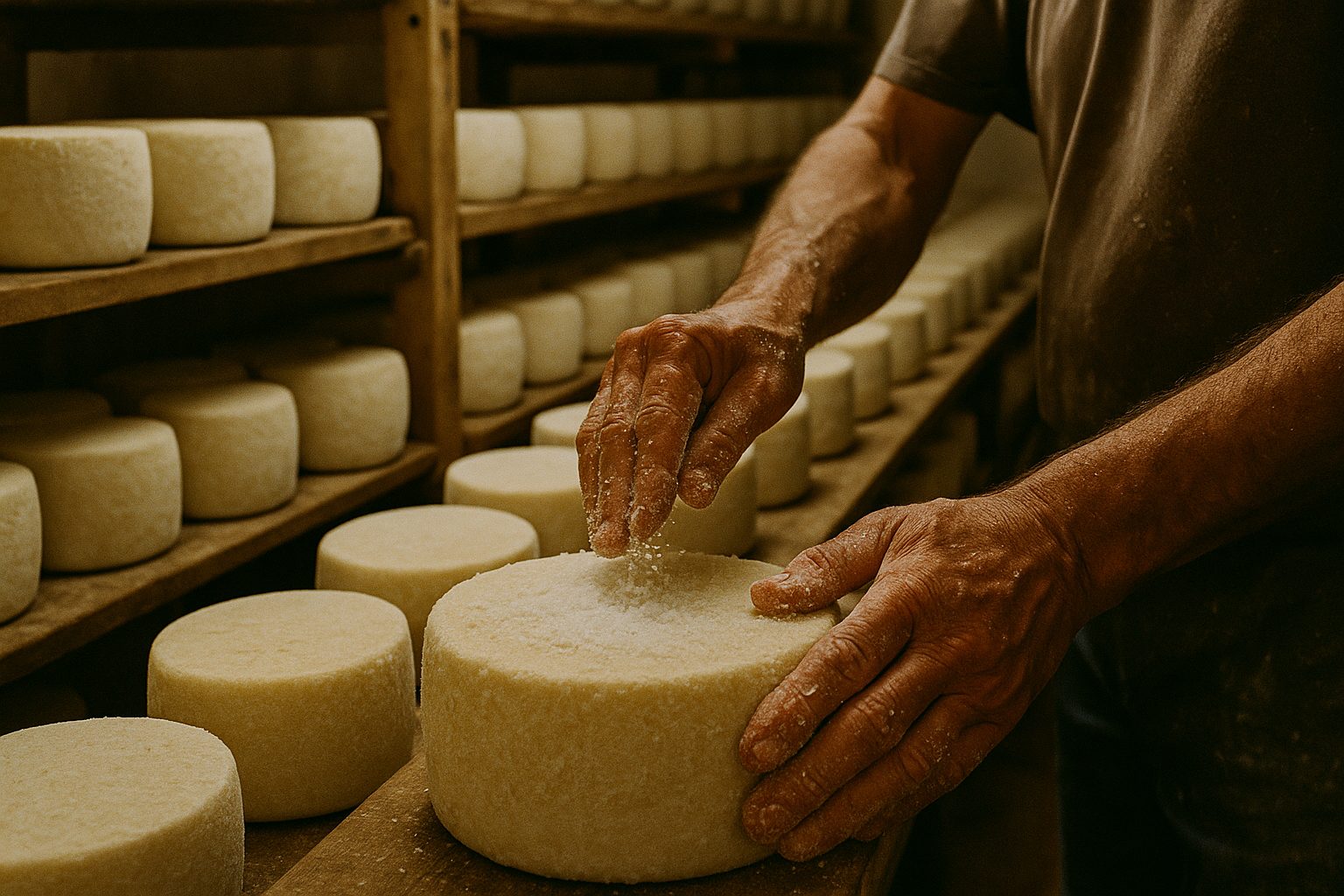
Pecorino Romano represents one of the most direct links to ancient Roman cheesemaking, with production methods documented in texts from the Roman Empire. The cheese was a staple of the Roman legions, who carried it on campaigns as a durable, nutritious food source that could withstand long journeys and provide essential protein and salt. Historical records from the 1st century CE describe the production of hard sheep's milk cheeses in the region around Rome, with techniques that have remained remarkably consistent over two millennia. The name "Pecorino Romano" reflects both the cheese's primary ingredient (sheep's milk) and its historical association with Rome, though the modern DOP production zone extends beyond Lazio to include parts of Sardinia and Tuscany where the tradition was established by Roman settlers and later maintained by local cheesemakers. During the Middle Ages, Pecorino Romano continued to be produced in the Roman countryside, with production methods passed down through generations of pastoral families. The cheese gained particular importance in Roman cuisine, where its sharp, salty character became essential to dishes like cacio e pepe, carbonara, and amatriciana. The 20th century saw the establishment of the Pecorino Romano Consortium in 1979, which formalized production standards and began protecting the cheese's name and methods. The DOP designation, granted in 1996, codified the production regulations, geographic boundaries (including the specific provinces of Lazio, Sardinia, and Tuscany), and quality standards that ensure Pecorino Romano maintains its traditional character. Today, Pecorino Romano stands as a symbol of both ancient Roman culinary tradition and modern Italian cheesemaking excellence, with production centered in Sardinia (which produces approximately 90% of all Pecorino Romano) while maintaining the traditional methods and sharp, salty character that have defined it for over two thousand years.