
Salta al contenuto
Italia Magnifica

Gorgonzola

Gorgonzola

Italy's most famous blue cheese, DOP protected.

Fotografia · Gorgonzola

La storia

Che cosa stai assaggiando

Gorgonzola DOP is Italy's most famous blue cheese, produced exclusively in specific provinces of Lombardy and Piedmont. This rich, creamy cheese is characterized by its distinctive blue-green veining (erborinatura) created by Penicillium molds, which develop complex, tangy flavors during aging. Available in two main varieties—Gorgonzola Dolce (sweet, mild) and Gorgonzola Piccante (spicy, aged)—this cheese represents one of Italy's most distinctive and celebrated cheesemaking traditions.

Gorgonzola has been produced in the Po Valley for over a millennium, with the earliest documented references appearing in texts from the 9th century, when the town of Gorgonzola (near Milan) gave its name to a cheese that was already being made in the region. The blue-veined version likely developed later, as cheesemakers discovered that certain aging conditions—particularly in natural caves with high humidity and air circulation—encouraged the growth of beneficial molds that created unique flavors and textures. The tradition of creating blue cheeses in the region developed alongside other Po Valley cheesemaking traditions, with Gorgonzola becoming particularly associated with Lombardy and Piedmont. Historical records from the Renaissance period document the cheese's popularity in Milan and surrounding areas, where it was served in noble households and became a symbol of regional culinary excellence. The 19th and early 20th centuries saw the formalization of production methods, with cheesemakers establishing consistent techniques for encouraging mold development through strategic piercing and controlled aging environments. The establishment of the Gorgonzola Consortium in 1970 marked a significant step toward protecting the cheese's name and methods, while the DOP designation, granted in 1996, codified the production regulations, geographic boundaries (including specific provinces in Lombardy and Piedmont), and quality standards that ensure Gorgonzola maintains its traditional character. Today, Gorgonzola stands as one of Italy's most recognized and exported cheeses, with production centered in the Po Valley while maintaining the traditional methods and distinctive blue-veined character that have defined it for centuries.
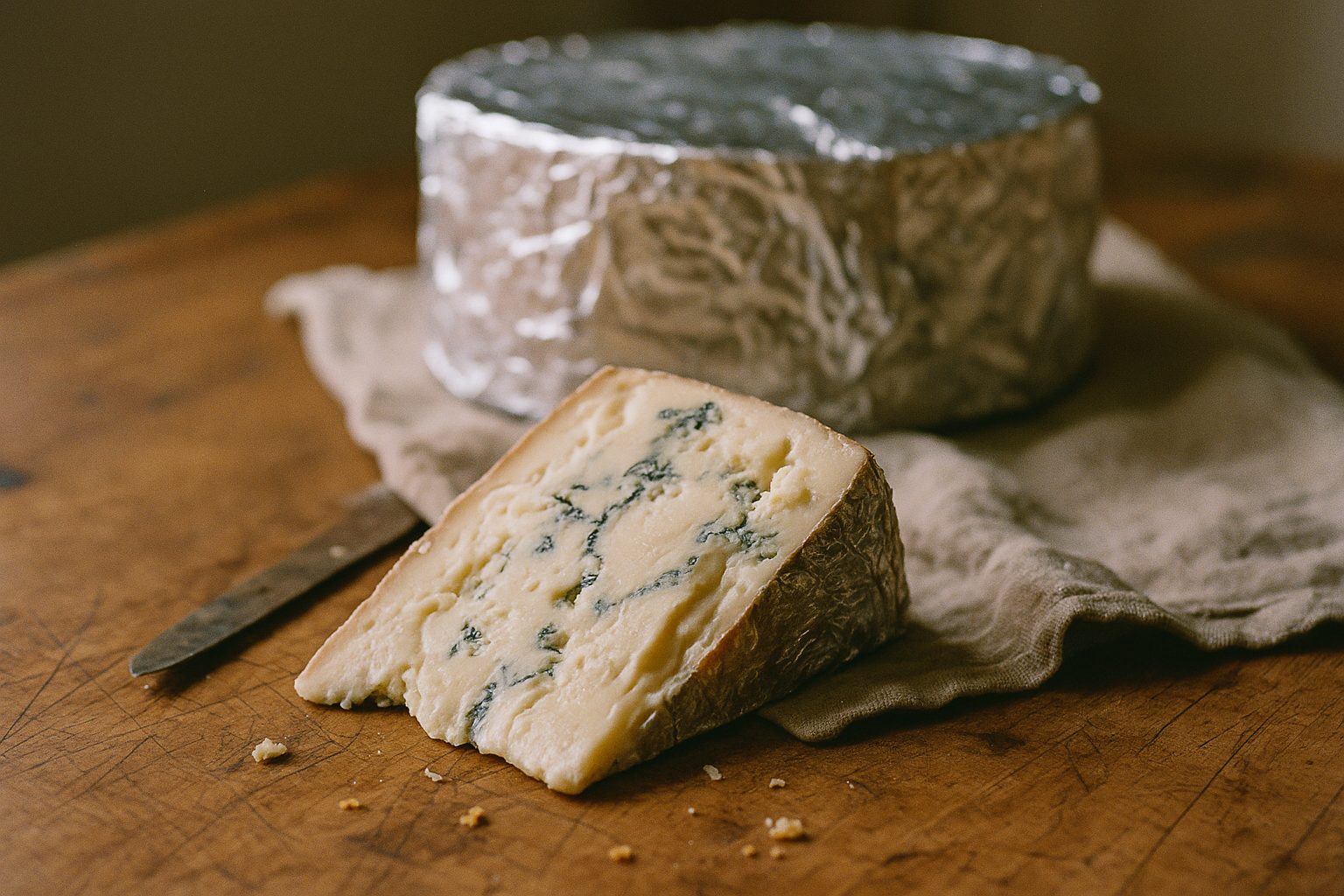
A cut wedge of Gorgonzola, blue-green veins through the creamy paste

Conoscerlo

Prima di comprarlo

Si dice
gohr-gohn-ZOH-lah
Al palato
Rich, creamy, and tangy with distinctive blue-green veining. Dolce: Mild, buttery, and sweet with subtle blue notes. Piccante: Intensely sharp, piquant, and complex with extensive blue veining. Creamy texture with occasional crumbly areas.
Latte
Cow
Consistenza
semi-soft
Stagionatura
2-6 months
Come si compra
Look for DOP Gorgonzola labels and proper veining. Check for creamy texture and characteristic blue-green mold. Choose Dolce for milder flavor, Piccante for more intensity. Buy from reputable cheesemongers.
Riconoscere i falsi
Verify DOP seals and production methods. Check for proper veining—should be blue-green, not gray or black. Beware of cheeses with off odors or excessive ammonia. Authentic Gorgonzola should have balanced mold development.
Conservazione
Unopened: 2-6 months. After opening: 2-3 weeks if properly stored.

La lavorazione

Come si fa

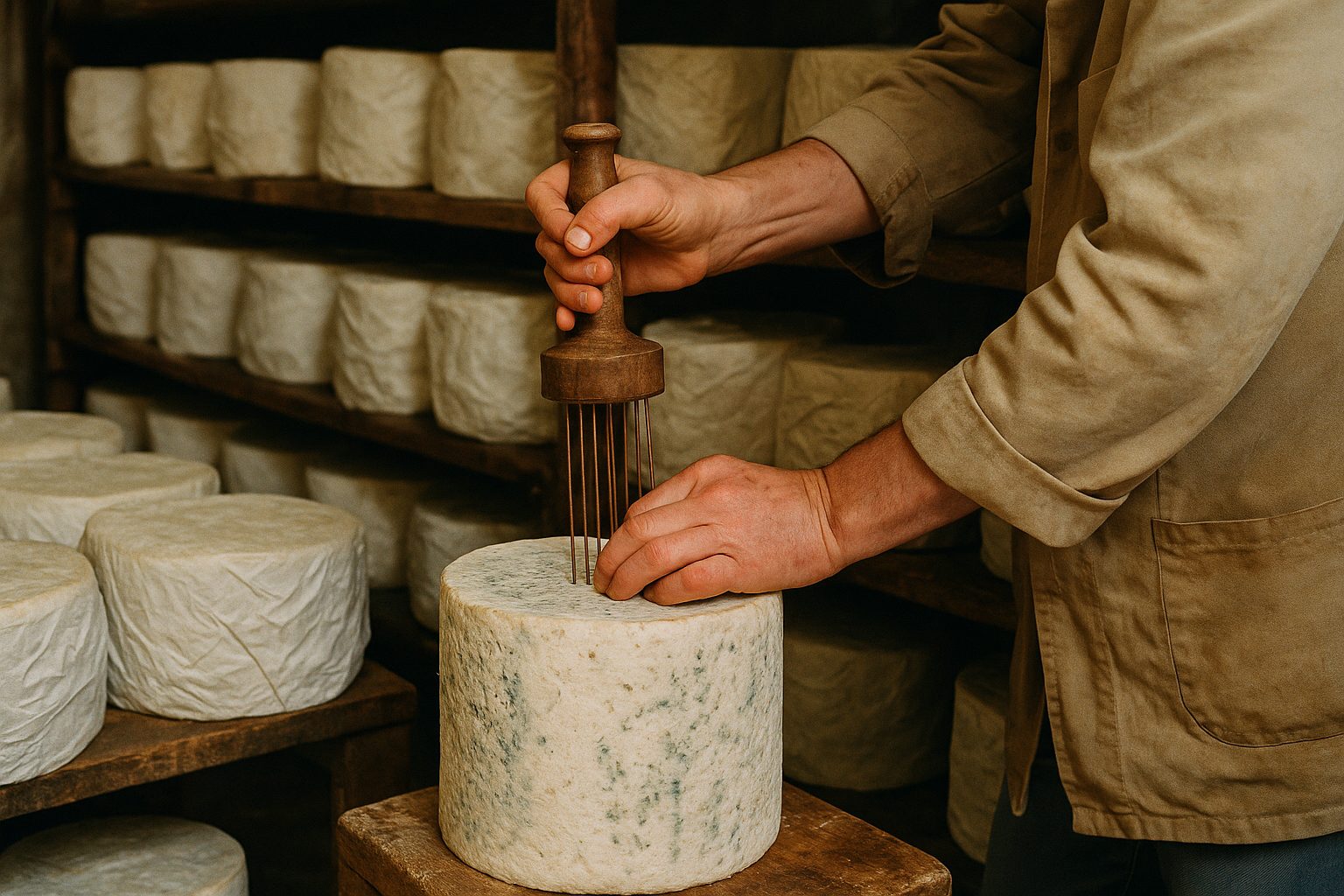
Gorgonzola production begins with fresh, whole cow's milk from the designated production zone, which is heated and coagulated using natural rennet, creating a curd that is cut and drained to achieve the desired moisture content—higher for Dolce, lower for Piccante. The curd is then placed in molds and pressed, creating wheels that are salted and transferred to aging rooms. The critical step for blue cheese development is the introduction and encouragement of Penicillium roqueforti or Penicillium glaucum molds, which can occur naturally in traditional aging environments or be added as a culture. The cheeses are then pierced with long needles or skewers, creating channels that allow air to reach the interior, where the molds develop and create the characteristic blue-green veining. During aging, which typically lasts 2-3 months for Gorgonzola Dolce and 3-6 months (or longer) for Gorgonzola Piccante, the cheeses are regularly turned and monitored, with the rind developing a characteristic appearance and the interior developing increasing complexity. The molds break down proteins and fats, creating the distinctive tangy, sharp flavors and creamy, sometimes crumbly textures that define blue cheeses. Temperature and humidity are carefully controlled throughout aging, with traditional producers maintaining conditions (typically 2-7°C and 85-95% humidity) that have been refined over generations. Gorgonzola Dolce is aged for a shorter period, resulting in a creamier texture and milder, sweeter flavor with less pronounced blue veining. Gorgonzola Piccante is aged longer, developing a firmer texture and more intense, piquant flavor with more extensive blue veining. Each wheel is tested by expert graders who evaluate quality through visual inspection, aroma, and texture. Wheels that pass inspection receive the DOP markings, while those that don't meet standards are sold without the protected designation. The finest examples balance the creamy, rich base with the sharp, tangy notes from mold development, creating cheeses of remarkable complexity and depth.

Gorgonzola is essential to Lombard and Piedmontese cuisine, used in risottos, pasta sauces, and as a table cheese. It represents one of Italy's most distinctive blue cheese traditions.

Piercing a Gorgonzola wheel with copper needles in the aging room

Da dove viene

La terra dietro

  1. RegioneLombardia
  2. RegionePiemonte