
Salta al contenuto
Italia Magnifica

Fiore Sardo

Fiore Sardo

Sardinia's ancient smoked sheep's milk cheese, DOP protected.

Fotografia · Fiore Sardo

La storia

Che cosa stai assaggiando

Fiore Sardo DOP is one of Sardinia's most ancient and distinctive cheeses, produced exclusively on the island using traditional methods that date to the Nuragic civilization. This hard, smoked sheep's milk cheese is aged for a minimum of 3 months (often 6-12 months or longer), developing intense, smoky flavors with a hard, granular texture that makes it ideal for grating and table use. The cheese's name means "Sardinian flower," though the origin of this name is debated, with some suggesting it refers to the traditional mold patterns on the rind.

Fiore Sardo represents millennia of Sardinian cheesemaking tradition, with production methods that date to the island's ancient Nuragic civilization (1800-238 BCE). Archaeological evidence from Nuragic sites shows that sheep herding and cheesemaking were central to Sardinian culture, with techniques that have been passed down through generations. The tradition of smoking cheeses developed as a preservation method in Sardinia's mountainous interior, where the cool, humid climate and abundant wood resources made smoking an effective way to extend the cheese's shelf life while adding distinctive flavors. Historical records from the Middle Ages document the production of smoked sheep's milk cheeses throughout Sardinia, with each area developing slightly different smoking techniques and characteristics. The cheese gained particular importance during periods of Spanish and later Italian rule, when it became a valuable commodity for both local consumption and export. The name "Fiore Sardo" has uncertain origins, with theories ranging from references to traditional mold patterns (fiore meaning "flower") to connections with ancient Sardinian language and culture. The 20th century saw the formalization of production methods, with local cheesemakers establishing consistent techniques for creating the hard, smoked cheese that would become Fiore Sardo. The establishment of the Fiore Sardo Consortium in 1991 marked a significant step toward protecting the cheese's name and methods, while the DOP designation, granted in 1996, codified the production regulations, geographic boundaries (restricted to the entire island of Sardinia), and quality standards that ensure Fiore Sardo maintains its traditional character. Today, Fiore Sardo stands as a symbol of Sardinian cheesemaking excellence and ancient tradition, with production centered throughout the island while maintaining the traditional smoking methods and intense, distinctive character that have defined it for millennia.
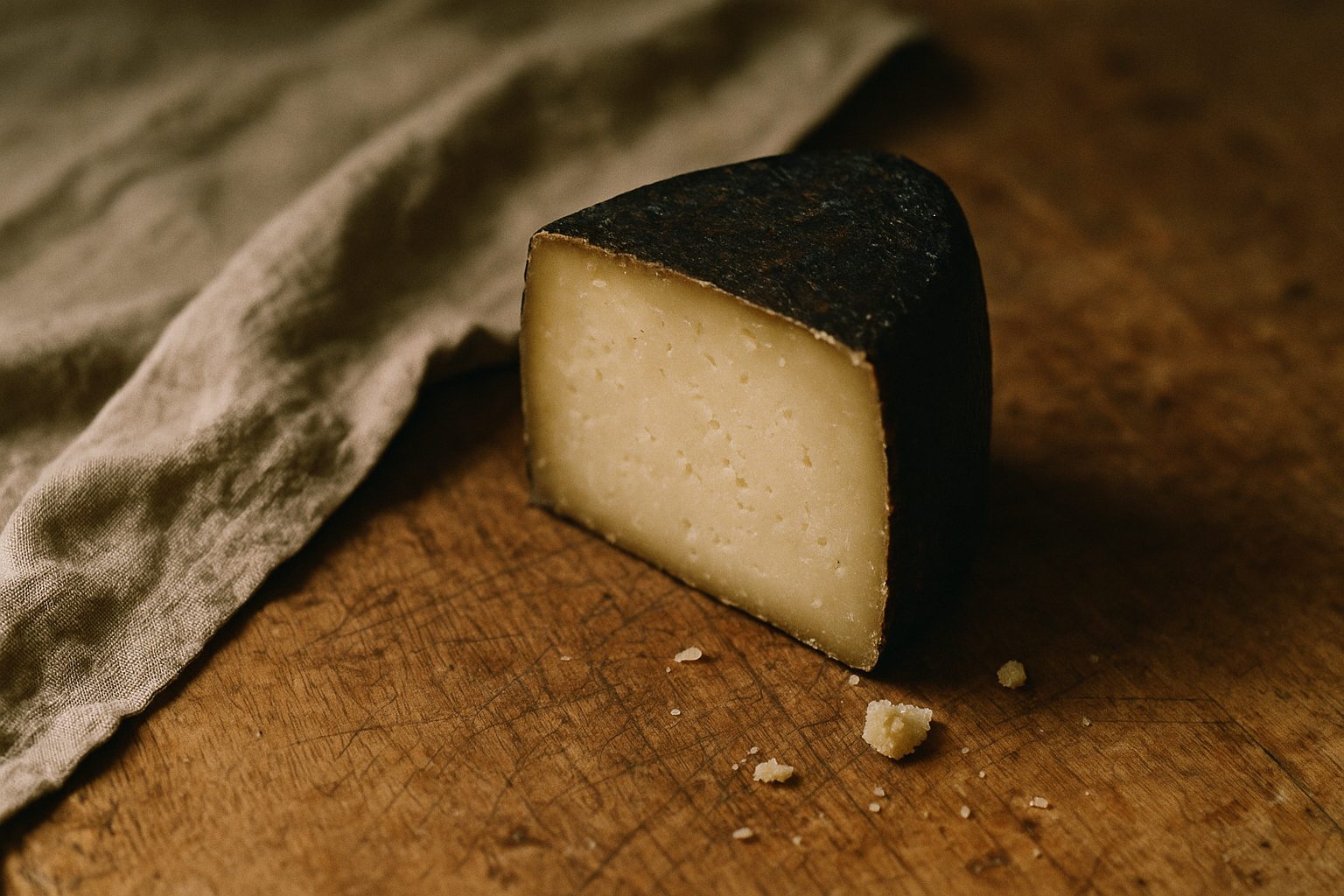
A smoke-rinded wedge of Fiore Sardo on a worn wooden board

Conoscerlo

Prima di comprarlo

Si dice
FYOH-reh SAHR-doh
Al palato
Intense, smoky, and complex with hard, granular texture. Distinctive sheep's milk character with pronounced smoky notes from traditional smoking. Savory, umami flavors with earthy undertones. Becomes increasingly intense and complex with extended aging.
Latte
Sheep
Consistenza
hard
Stagionatura
3-12+ months
Come si compra
Look for the DOP seal and branded rind markings. Check for proper texture and smoky aroma. Buy from reputable cheesemongers who can verify Sardinian origin and traditional smoking methods.
Riconoscere i falsi
Verify the DOP markings on the rind. Check for proper texture and distinctive smoky aroma. Beware of generic "Fiore" or smoked cheeses without DOP designation or proper branding. Authentic Fiore Sardo should have pronounced smoky character.
Conservazione
Unopened: 3-12+ months. After opening: 3-4 weeks if properly stored.

La lavorazione

Come si fa

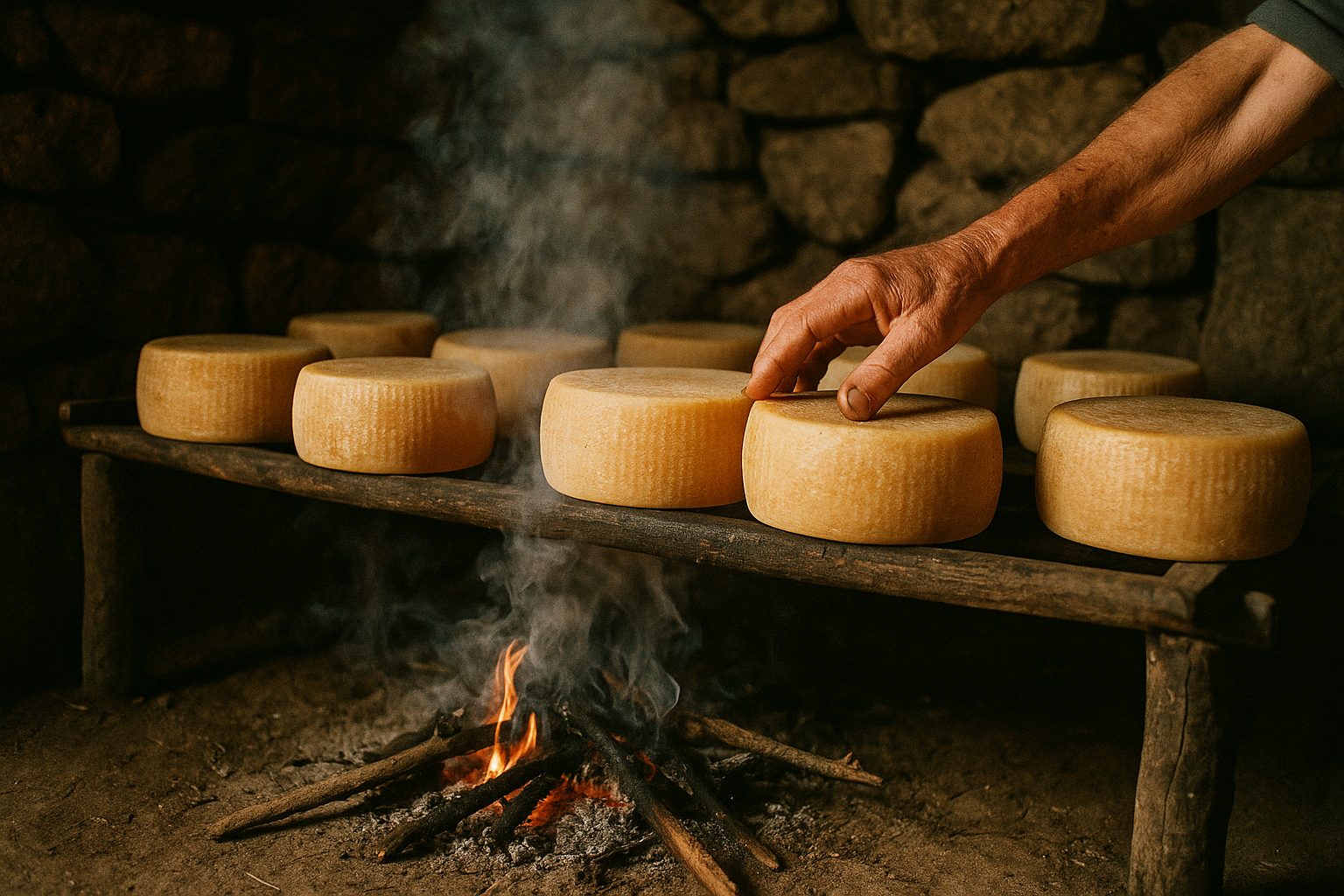
Fiore Sardo production follows traditional methods that have been refined over millennia in Sardinia, beginning with fresh, whole sheep's milk from the designated production zone. The milk is heated in traditional copper cauldrons over wood fires and coagulated using lamb rennet, creating a firm curd that is cut into pieces to expel whey. The curd is then heated to approximately 45-50°C while being continuously stirred, a process that further expels whey and creates the dense texture characteristic of Fiore Sardo. The curd mass is lifted from the whey and placed in traditional woven baskets (canestri) that imprint distinctive patterns on the rind, where it is pressed to form wheels that typically weigh 1.5-4 kilograms. The wheels are then brined in salt solution for several days, after which they undergo the distinctive smoking process that defines Fiore Sardo. The smoking is traditionally done over fires of Mediterranean scrub (particularly myrtle, juniper, or other aromatic woods), which imparts the characteristic smoky flavor and helps preserve the cheese. The smoking process can last from several days to weeks, with traditional producers maintaining the fires continuously to ensure even smoking throughout the aging period. After initial smoking, the cheeses are transferred to aging rooms (often natural caves or purpose-built cellars) where they mature for a minimum of 3 months, though most are aged 6-12 months, with premium examples aged longer for increased complexity. During aging, the cheeses are regularly turned and monitored, with the rind developing a hard, dark brown to black exterior while the interior gradually loses moisture and develops the intense, smoky flavors characteristic of Fiore Sardo. The extended aging and smoking process create a cheese that is both intensely flavorful and highly preservable, with the smoke acting as both a flavoring agent and a natural preservative. Each wheel is tested by expert graders who evaluate quality through visual inspection, aroma, and texture. Wheels that pass inspection receive the DOP markings, while those that don't meet standards are sold without the protected designation. The finest examples showcase the unique character of Sardinian cheesemaking, with intense smoky flavors balanced by the natural richness of sheep's milk, creating a cheese that is both distinctive and complex.

Fiore Sardo is essential to Sardinian cuisine, used in traditional dishes and as a table cheese. It represents millennia of Sardinian pastoral tradition and the island's ancient cheesemaking heritage.

Fiore Sardo wheels smoking over a juniper fire in a Sardinian hut

Da dove viene

La terra dietro

  1. RegioneSardegna