La storia
Che cosa stai assaggiando
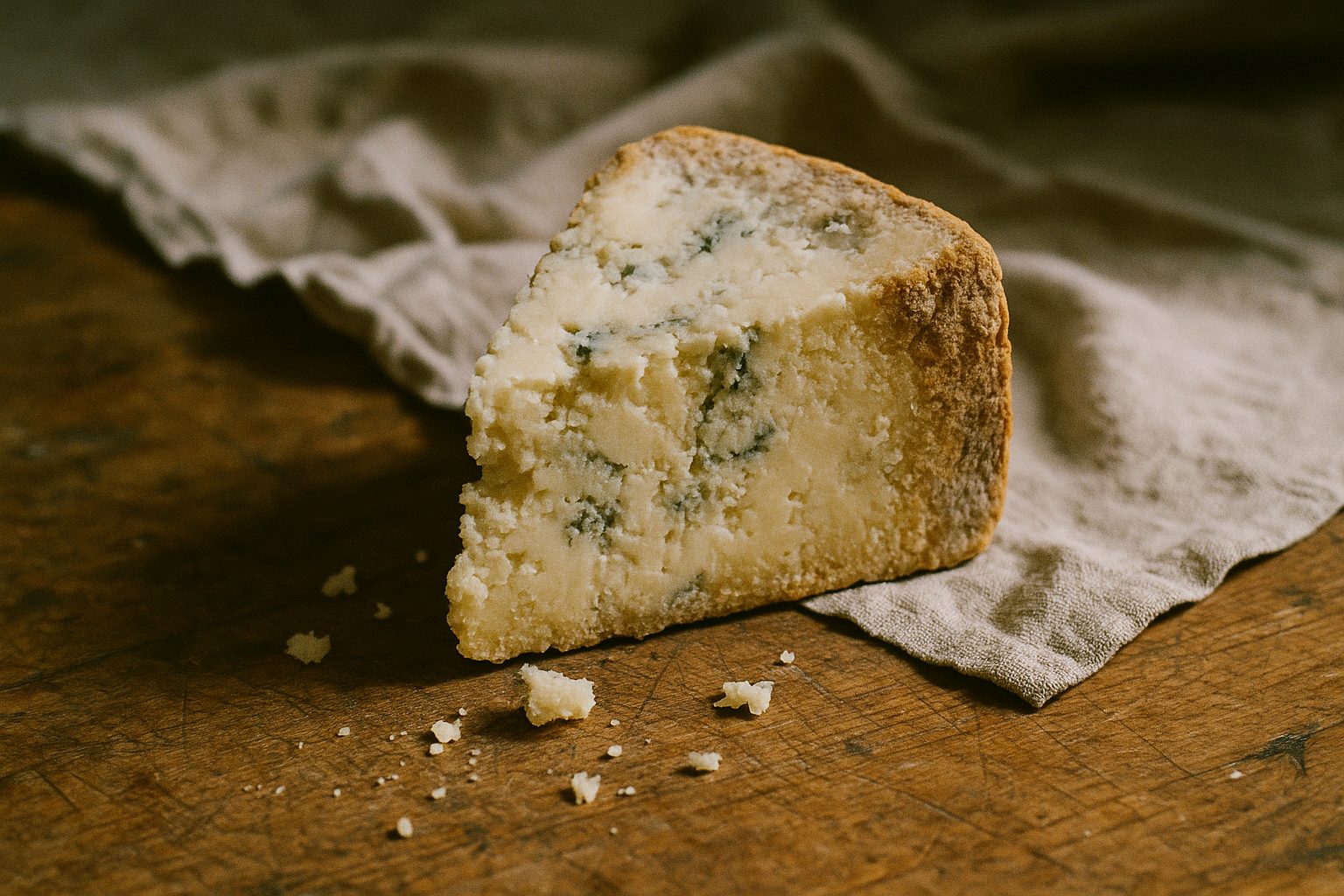
Castelmagno DOP is one of Piedmont's rarest and most distinctive cheeses, produced exclusively in the Grana Valley in the province of Cuneo. This semi-hard to hard cheese is made from cow's milk (sometimes with small amounts of sheep's or goat's milk) and aged for extended periods (2-5 months or longer), during which natural blue-green veining (erborinatura) develops, creating complex, tangy flavors. The cheese's limited production area and traditional methods make it one of Italy's most sought-after and expensive cheeses.
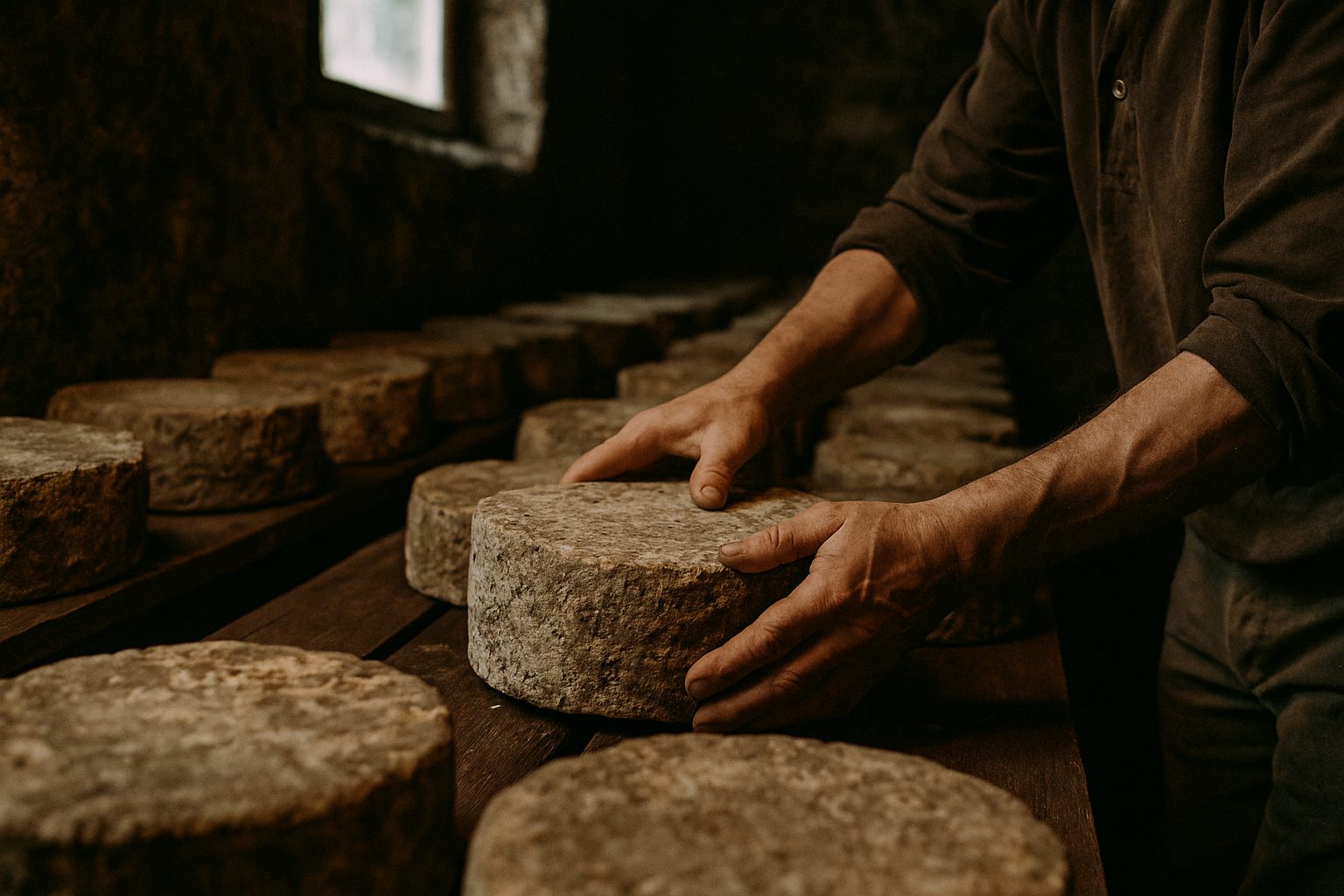
Castelmagno represents centuries of Alpine cheesemaking tradition in Piedmont, with production methods documented since the Middle Ages. The cheese's name derives from the town of Castelmagno in the Grana Valley, where the tradition of producing this blue-veined mountain cheese developed. Historical records from the 12th century document the production of cheeses in the Castelmagno area, where the high-altitude pastures and cool, humid climate created ideal conditions for both cheesemaking and the natural development of blue molds. The tradition of producing Castelmagno in mountain dairies during summer months, when cattle graze on alpine meadows, became central to the cheese's character, with the high-altitude production and traditional aging methods creating conditions that encourage natural mold development. The cheese gained particular importance during the Renaissance, when it became a prized commodity in Piedmontese courts and was exported to other Italian regions. The 19th and early 20th centuries saw the formalization of production methods, with local cheesemakers establishing consistent techniques for creating the blue-veined cheese that would become Castelmagno. The tradition nearly disappeared in the mid-20th century due to economic pressures and rural depopulation, but was revived in the 1980s and 1990s by dedicated producers who recognized the cheese's unique character and cultural importance. The establishment of the Castelmagno Consortium in 1982 marked a significant step toward protecting the cheese's name and methods, while the DOP designation, granted in 1996, codified the production regulations, geographic boundaries (restricted to the Grana Valley in the province of Cuneo), and quality standards that ensure Castelmagno maintains its traditional character. Today, Castelmagno stands as a symbol of Alpine Italian cheesemaking excellence and artisanal revival, with production limited to a small number of dairies in the Grana Valley while maintaining the traditional methods and distinctive blue-veined character that have defined it for centuries.